
Valka (Latvia): a border town and historical market center
Valka is a town in northern Latvia, notable for its long history (town rights since 1584), its position on the Estonian border opposite Valga, and its regional cultural and transport role.

Overview
Valka is a small Latvian town located at the northern edge of the country, directly adjacent to the Estonian town of Valga. Its position on an international border has shaped local life, economy and administration. The town functions as a municipal centre for the surrounding rural area and serves as a focal point for cross-border commuting, trade and cultural exchange. Valka lies in a landscape of low hills and mixed forests typical of the region.
Image gallery
6 Images



Characteristics and institutions
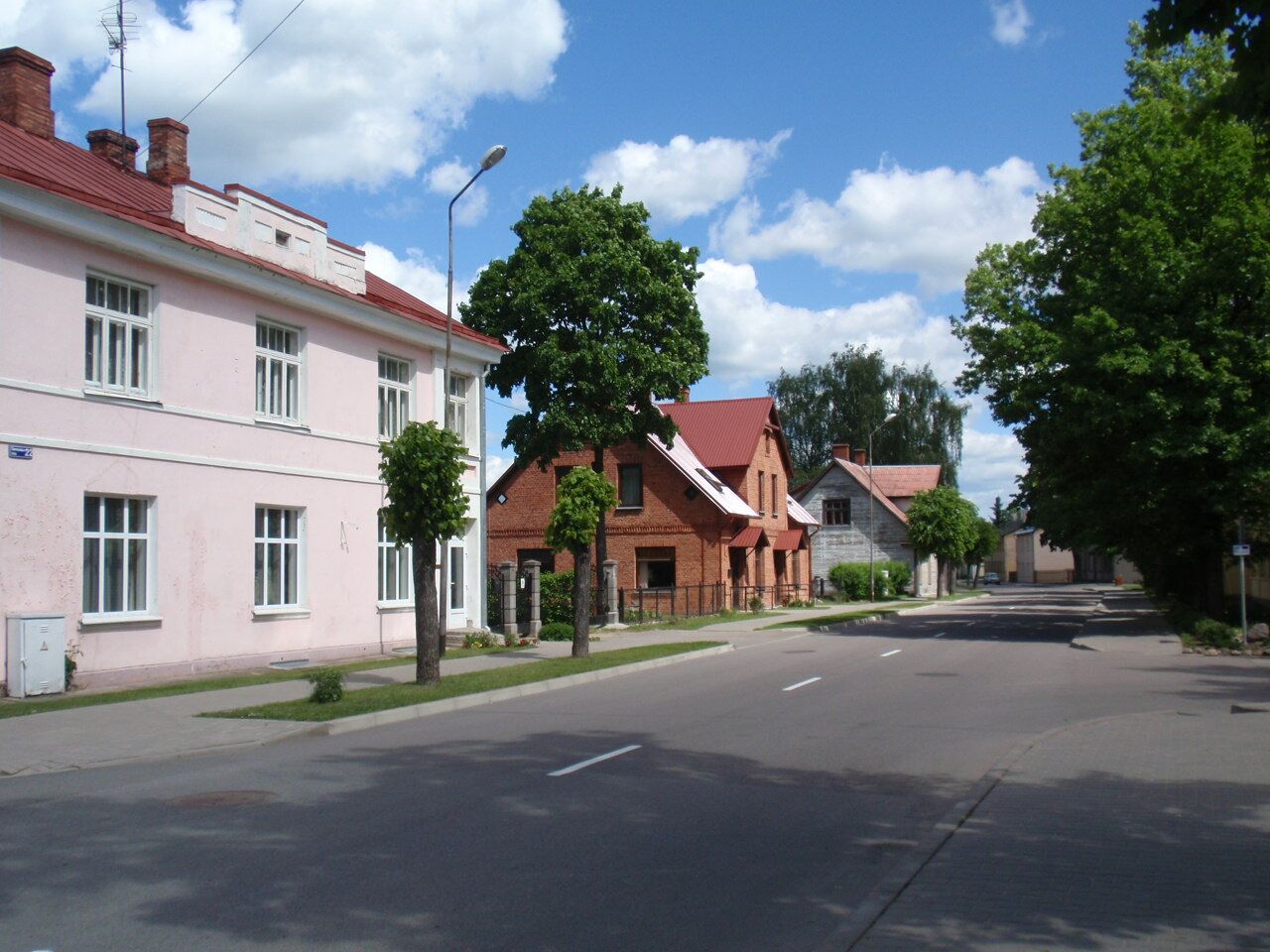
Architecturally the town combines historical buildings with modern public facilities: a town square, municipal offices, schools, and community cultural centres. Local services support both residents and visitors, including markets, cafés and small businesses. Languages commonly heard include Latvian, Estonian and Russian, reflecting the town’s borderland character.
History and legal status
Valka traces its urban origins back several centuries and was granted town rights in 1584. Over time the settlement grew as a regional market and local administrative centre. After World War I and the emergence of independent Baltic states, the built-up area was divided by a new international border, creating the adjoining towns of Valka (Latvia) and Valga (Estonia). This division influenced municipal arrangements and daily life for residents on both sides.
Today: economy, transport and culture
Today Valka remains important as a local hub for retail, public services and light industry, while cross-border ties with Valga support shared cultural events, tourism and labour flows. Transport links and regional roads connect the town with larger Latvian and Estonian centres. Local festivals, museums and memorials highlight the town’s heritage and its role in borderland history.
Notable facts and cross-border cooperation
- Valka and Valga form one of Europe’s most well-known divided towns, with joint initiatives to boost cooperation.
- Its long municipal history is marked by medieval origins and later administrative reforms.
- The town plays a continuing role in regional identity, commerce and cross-border projects.
For general context on the country where Valka is located, see Latvia.

Related articles
Author
AlegsaOnline.com Valka (Latvia): a border town and historical market center Leandro Alegsa
URL: https://en.alegsaonline.com/art/104039