
Belshazzar: Biblical Figure, Historical Identity, and Cultural Legacy
Belshazzar appears in the Book of Daniel as a Babylonian ruler whose feast is interrupted by a mysterious writing. His identity and fate are discussed in biblical, historical, and artistic traditions.
Belshazzar is a prominent figure in the Hebrew Bible, presented as a king of Babylonia in the Book of Daniel. The biblical text refers to him as the son of Nebuchadnezzar, and describes a dramatic episode in which his rule ends suddenly after a supernatural message appears during a royal banquet. That scene and its themes—divine judgment, hubris, and the transfer of power—have had long cultural resonance.
Image gallery
8 Images


Biblical narrative
In Daniel chapter 5 Belshazzar holds a lavish feast, using vessels taken from the Jerusalem temple. During the revelry a disembodied hand writes a set of Aramaic words on the palace wall. The frightened king summons Daniel to interpret the inscription, which Daniel explains as an announcement that the king's days are numbered. The story concludes with the overthrow of Belshazzar and the fall of Babylon, a tale that gives rise to the familiar idiom "the writing on the wall." The original phrase written—often rendered as Mene, Mene, Tekel, Upharsin—is interpreted in the account as a declaration of judgment and the imminent end of the monarch's reign.
Historical identity and scholarly debate
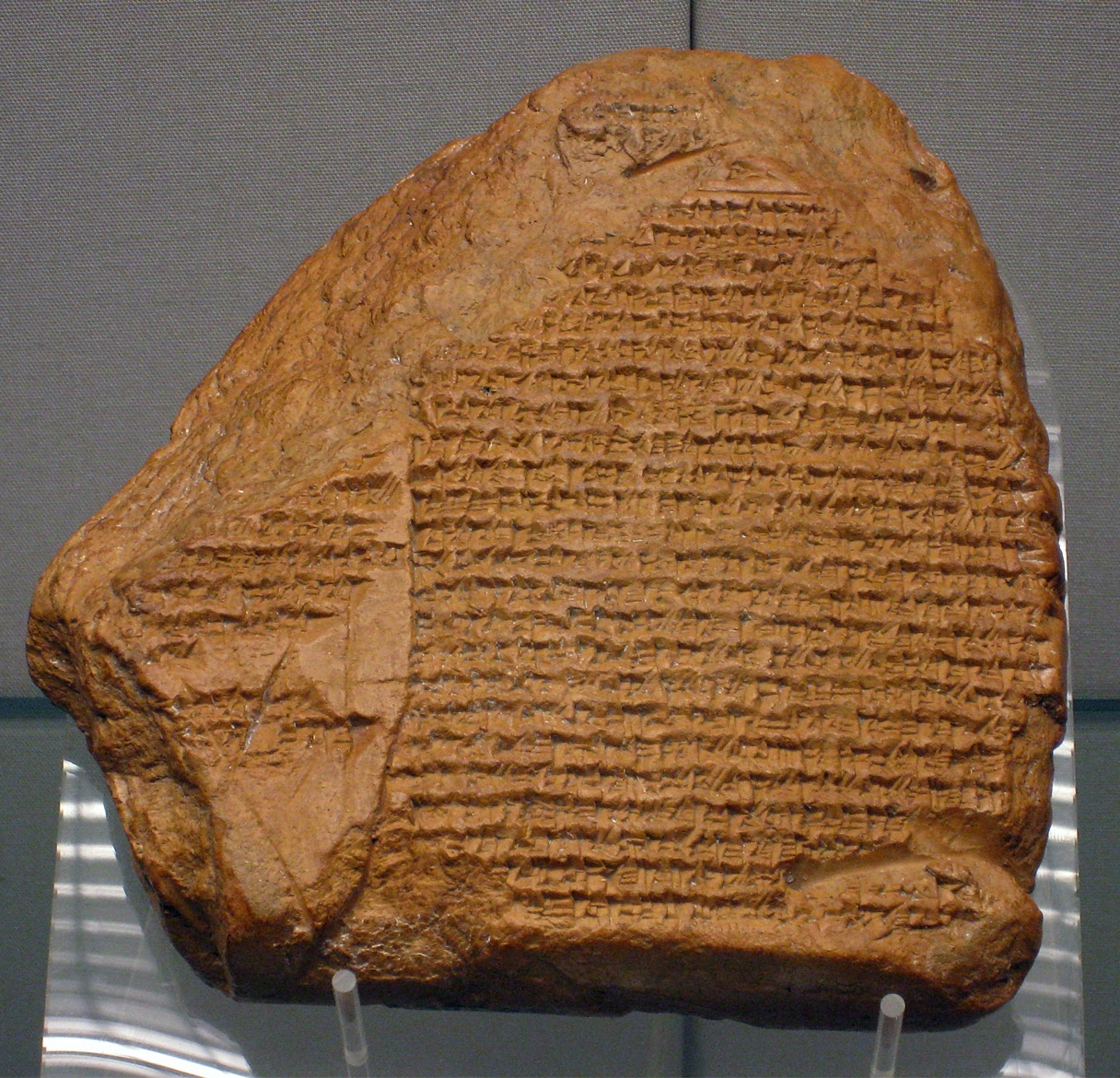
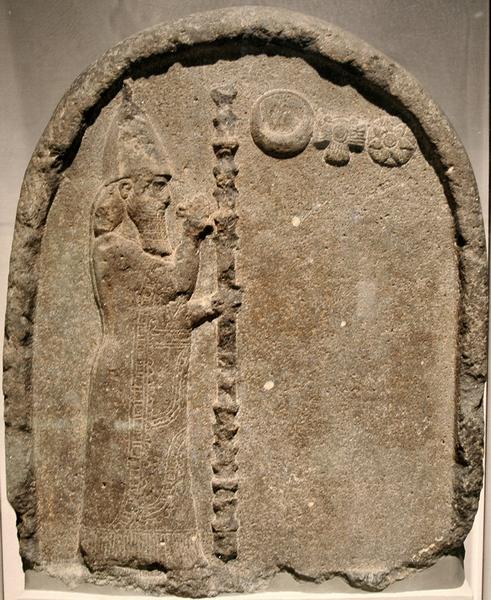
Outside the biblical account, the figure called Belshazzar has been identified by many historians with the historical prince Bel‑shar‑usur, who appears in Babylonian inscriptions as a son and regent of the last native ruler, Nabonidus. The Book of Daniel's reference to Darius the Mede as the conqueror of Babylon and to Belshazzar as the son of Nebuchadnezzar differs from the mainstream historical record, which shows the Persian king Cyrus the Great capturing Babylon in 539 BCE. Scholars treat these differences as evidence of theological or literary shaping in the biblical text and continue to debate how to reconcile the sources.
Art, literature, and legacy
The dramatic episode has fueled centuries of artistic and literary responses. Painters, playwrights, and writers have depicted the banquet and the miraculous handwriting as symbols of sudden downfall. One notable artistic treatment is Rembrandt's canvas of the scene, which interprets the moment of revelation with dramatic light and expression. The story's language and motifs appear in sermons, novels, and idioms across Western culture.
Significance and themes
- Divine judgment and the reversal of fortune.
- Use of sacred objects in profane settings, provoking moral critique.
- The interplay between historical memory and theological storytelling.
Belshazzar's episode remains a focal point for discussions about how ancient texts record rulers and events, how communities remember political change, and how a single narrative scene can inspire recurring artistic interpretation. For further reading, see treatments of the Book of Daniel and art history discussions of the banquet motif, including Rembrandt's depiction of the moment of revelation (Rembrandt's painting). Additional scholarly overviews and archaeological summaries are available through general reference works and specialist studies on late Babylonian history and biblical literature (overview, Babylonia, Daniel, Nebuchadnezzar, the banquet episode, artistic representations).
Related articles
Author
AlegsaOnline.com Belshazzar: Biblical Figure, Historical Identity, and Cultural Legacy Leandro Alegsa
URL: https://en.alegsaonline.com/art/10400