
Val-d'Oise — department in the Île-de-France region
Val-d'Oise (department number 95) lies north of Paris in Île-de-France. It combines suburbs, historic towns and protected countryside and includes the new town of Cergy-Pontoise and part of the Vexin regional park.
Overview
Val-d'Oise is a French administrative department located immediately to the north of Paris, within the greater Île-de-France region. Officially numbered 95, it includes densely populated suburbs alongside agricultural land and natural reserves. The administrative capital and principal new town is Cergy, where many departmental services are centred; the role of prefecture has been developed in the Cergy-Pontoise area.
Image gallery
4 Images

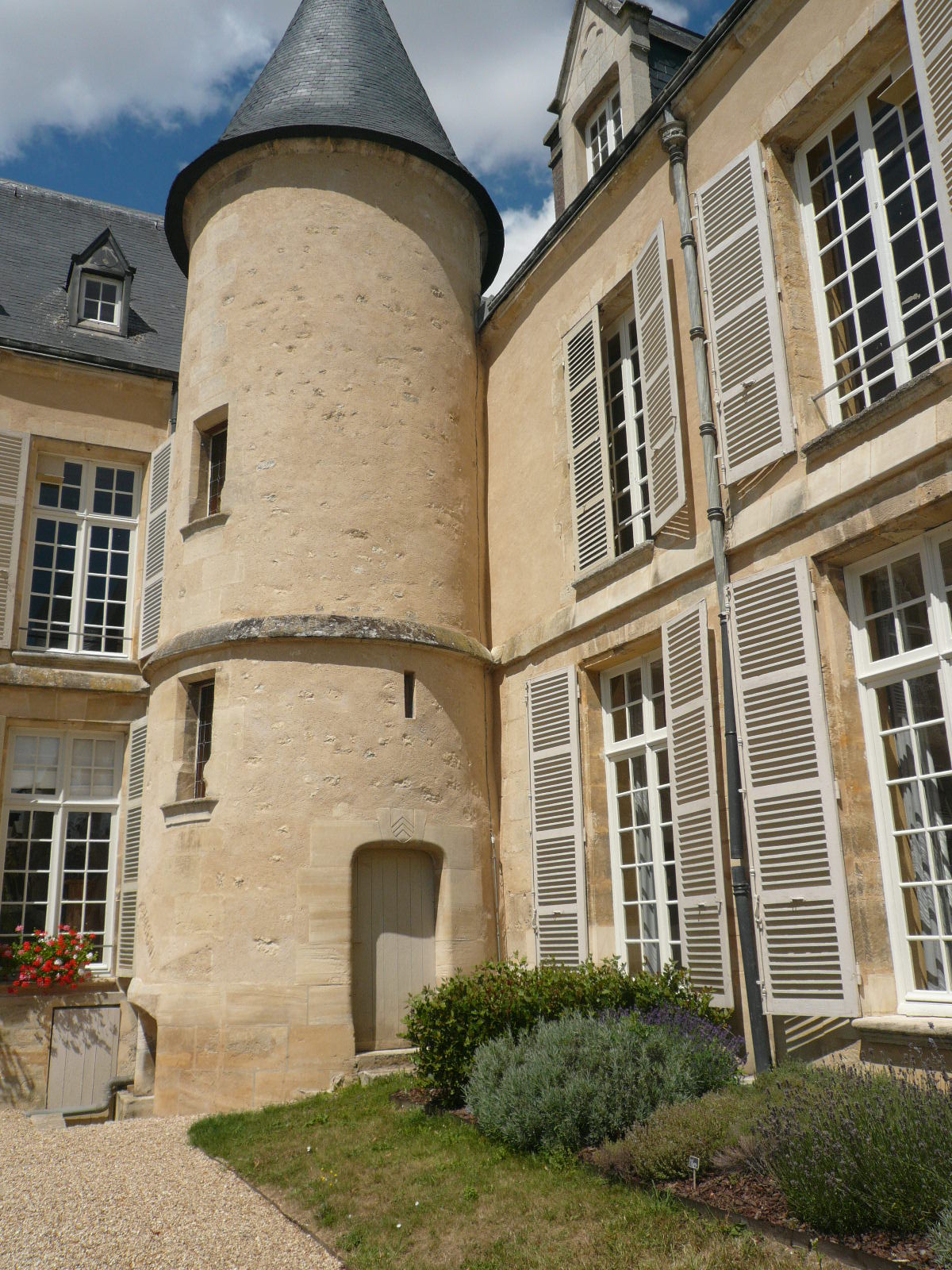

Geography and administration
The department stretches across the valley of the Oise river and neighbouring plateaus. Urban zones radiate from Paris while large rural spaces remain in the north-west, including much of the Parc naturel régional du Vexin français. Administratively it contains a mix of communes and intercommunal structures formed to manage housing, transport and public services.
Principal towns
- Cergy (new town and prefectural centre) — Cergy
- Pontoise (historic centre and episcopal town)
- Argenteuil and Sarcelles (major suburban communes)
- Auvers-sur-Oise (noted for its artistic heritage)
History and development
Val-d'Oise was created in 1968 during the reorganisation of the Paris region from parts of the former Seine-et-Oise department. In the decades that followed the area combined planned suburban growth—most visibly the Cergy-Pontoise new town—with efforts to protect rural landscapes and historical villages. The Oise valley long attracted artists; painters such as Camille Pissarro and Vincent van Gogh worked in and around Pontoise and Auvers-sur-Oise.
Economy, transport and culture
The local economy mixes residential suburbs, light industry, business parks and services linked to greater Paris. Transport links include regional rail and road connections that serve commuters into Paris and other Île-de-France centres. Cultural attractions include museums, preserved medieval centres, and the open countryside of the Vexin, which is popular for day visits and outdoor recreation.
Notable facts
Val-d'Oise is distinguished by its contrast between inner-ring suburbs near Paris and extensive protected countryside. It is a department with historical towns, modern urban planning legacies such as Cergy-Pontoise, and a well-known association with 19th-century landscape and Impressionist painting. For administrative, cultural and natural highlights further information can be found through regional resources and local municipal sites.
Related articles
Author
AlegsaOnline.com Val-d'Oise — department in the Île-de-France region Leandro Alegsa
URL: https://en.alegsaonline.com/art/103909