
Urlabari Municipality, Morang District, Province No. 1, Nepal
Overview of Urlabari Municipality in Morang District, Province No. 1, Nepal: location, population growth, administration, economy, transport links and notable facts.
Overview
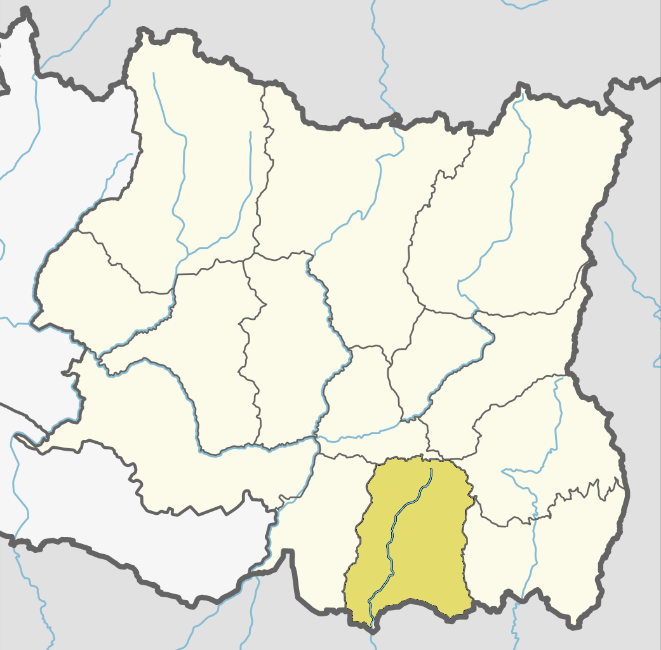
Urlabari is a municipal town in the Morang District of Province No. 1 in southeastern Nepal. Located in the Terai plains, Urlabari is one of the larger urban centres in the district and is commonly cited as the second largest city in Morang after Biratnagar. Official census figures indicate a rise in population from 18,224 in 1991 to 35,166 in 2011, reflecting steady growth and urban expansion. The municipality serves as a local hub for surrounding villages and smaller settlements.
Image gallery
2 Images
Geography and administration
Urlabari lies within the lowland plain characteristic of eastern Nepal, with agricultural land and market areas forming much of its immediate landscape. Administratively it is recognised as a municipality and is part of Morang District, which itself is a component of Province No. 1. The town is accessible by regional roads and is situated roughly 60 kilometres east of the metropolitan centre of Biratnagar, making it reasonably connected to larger urban services.
Demographics and society
The population of Urlabari is composed of a mixture of ethnic and linguistic groups typical of Nepal's Terai region. Household counts recorded in national surveys show several thousand family units, and the town supports a range of community institutions such as primary and secondary schools, local health clinics and municipal services. Social life often centres on markets, religious sites and community festivals common to the region.
Economy and services
The local economy is a blend of small-scale commerce, services and agriculture. Urlabari functions as a market town where farmers, traders and service providers meet to buy and sell goods. Key features include:
- Retail markets and small shops serving daily needs;
- Agricultural trade in crops produced in the surrounding Terai plains;
- Basic public services such as schools, municipal administration and health centres.
Remittances and seasonal work in larger towns or abroad also contribute to household incomes, as is common throughout much of Nepal's municipalities.
History and development
Urlabari's development has followed patterns seen in many Terai towns: gradual growth from rural origins to a more urbanised municipality as infrastructure, roads and administrative structures expanded. Municipal status and local governance reforms in Nepal in recent decades have shaped service delivery and planning at the town level. Improvements in road links and market facilities have helped Urlabari grow as a local centre for commerce and public services.
Notable facts and distinctions
Urlabari is noteworthy within Morang District for its size and role as a secondary urban centre after Biratnagar. For further administrative and demographic details consult municipal or district resources, for example the municipal information page Urlabari Municipality and district-level sources at Morang District and provincial portals Province No. 1. General background and contextual data are also available through broader regional summaries and local planning documents about Urlabari.
Related articles
Author
AlegsaOnline.com Urlabari Municipality, Morang District, Province No. 1, Nepal Leandro Alegsa
URL: https://en.alegsaonline.com/art/103614
Sources
- digitalhimalaya.com : "Nepal Census 2001"