
Urmein — small mountain municipality in Graubünden, Switzerland
Urmein is a small high‑Alpine municipality in the Hinterrhein district of Graubünden, Switzerland, known for pastoral agriculture, alpine scenery and a Romansh placename tradition.
Urmein (Romansh: Urmagn) is a small municipality in the Hinterrhein district of the canton Graubünden in Switzerland. The village’s Romansh name appears in historical records as Urmagn. Nestled on an alpine terrace, Urmein is typical of the scattered rural settlements that dot the Swiss highlands: small, remote and strongly connected to mountain agriculture and seasonal pasture use.
Image gallery
3 Images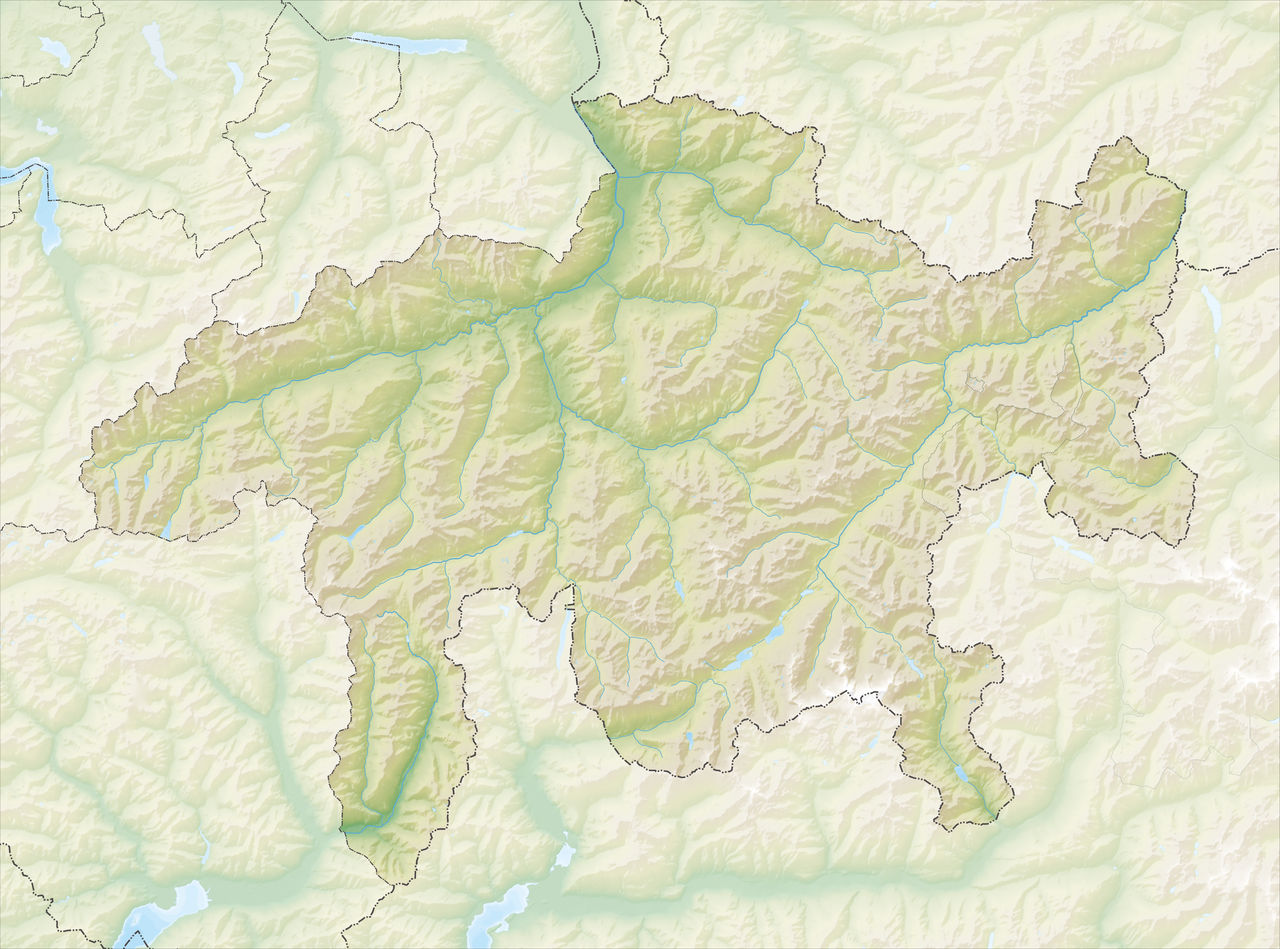

Characteristics
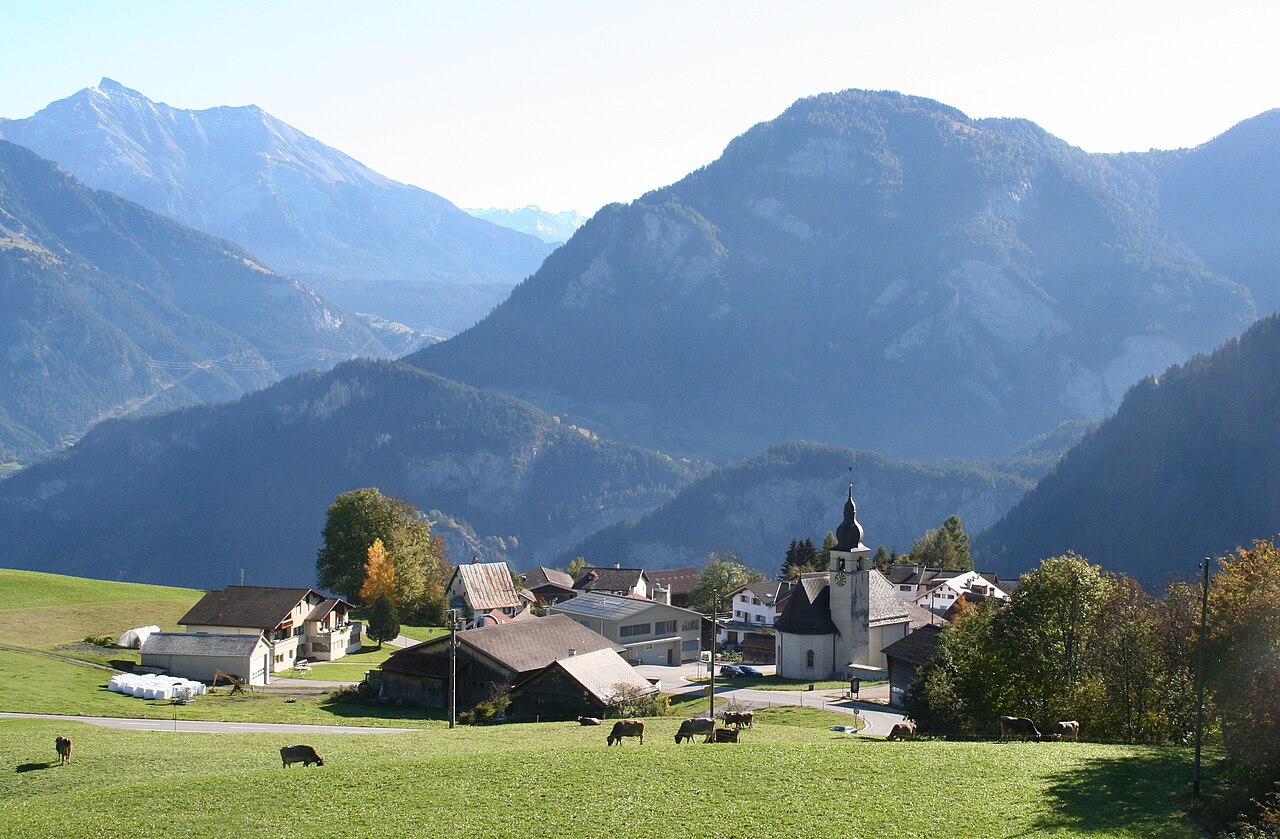
Settlement in Urmein consists of a compact cluster of houses with traditional stone and wood architecture, a parish church, and surrounding alpine meadows. The local economy historically relied on mixed farming, livestock grazing and forestry; today residents also participate in regional services and small‑scale tourism. The linguistic situation reflects Graubünden’s diversity: the community is predominantly German‑speaking while Romansh place‑names and cultural traces remain visible.
History and development
Like many communities in Graubünden, Urmein has medieval roots and developed under the shifting political structures of the Alps, including alliances known collectively as the Three Leagues that shaped local autonomy. Over time farming practices adapted to steeper terrain and seasonal transhumance; in recent decades demographic change and modernization have reduced the agricultural workforce, while conservation and heritage interest have grown.
Importance and uses
Urmein functions as a local center for surrounding alpine pastures and as a destination for hikers and nature enthusiasts seeking quiet mountain landscapes. Trails, panoramic viewpoints and traditional architecture attract visitors interested in rural Swiss culture and outdoor recreation. The municipality also plays a role in regional conservation and the maintenance of high‑altitude ecological habitats.
Notable facts and distinctions
- Small scale and remote setting: Urmein exemplifies the intimate size of many Graubünden municipalities.
- Cultural layering: German as the day‑to‑day language with Romansh toponyms and heritage.
- Rural economy: emphasis on pastoral agriculture, forestry and low‑impact tourism.
Related articles
Author
AlegsaOnline.com Urmein — small mountain municipality in Graubünden, Switzerland Leandro Alegsa
URL: https://en.alegsaonline.com/art/103615
Sources
- bfs.admin.ch : "Arealstatistik Standard - Gemeinden nach 4 Hauptbereichen"
- bfs.admin.ch : "Ständige Wohnbevölkerung nach Staatsangehörigkeitskategorie Geschlecht und Gemeinde; Provisorische Jahresergebnisse; 2018"