
Uozu, Toyama — coastal city on Toyama Bay, Japan
Uozu is a coastal city in Toyama Prefecture, Japan, known for its seafood, seasonal firefly squid, coastal mirages, and museums that explore local marine and archaeological heritage.
Overview
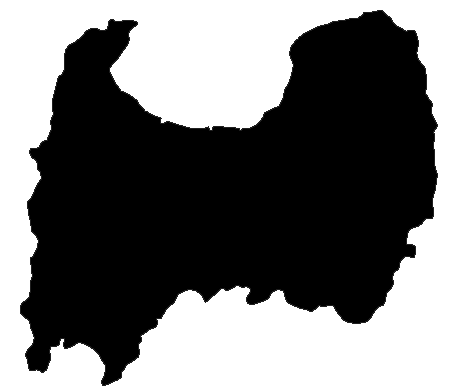
Uozu is a coastal city in central Toyama Prefecture in Japan. It faces Toyama Bay on the Sea of Japan and forms part of the Hokuriku coastal region. The city combines fishing and light industry with cultural activities tied to the sea and nearby mountains. For official information see the city, regional context at Toyama Prefecture, or general references on Japan.
Image gallery
6 Images



Geography and environment
Uozu occupies lowland plains and a short coastal shoreline backed by ranges that are part of the Tateyama region. Toyama Bay is noted for its deep waters close to shore, which support rich fisheries and create conditions for optical mirages visible over the bay on clear days. Rivers and wetlands in the area contribute to local biodiversity and have shaped settlement patterns.
History and development
The area that became Uozu has long ties to the old Etchū region and developed as a fishing and market town. Over time it modernized with improved transport and industrial activity while preserving maritime traditions. Local museums interpret both archaeological finds and traditional coastal livelihoods.
Economy and culture
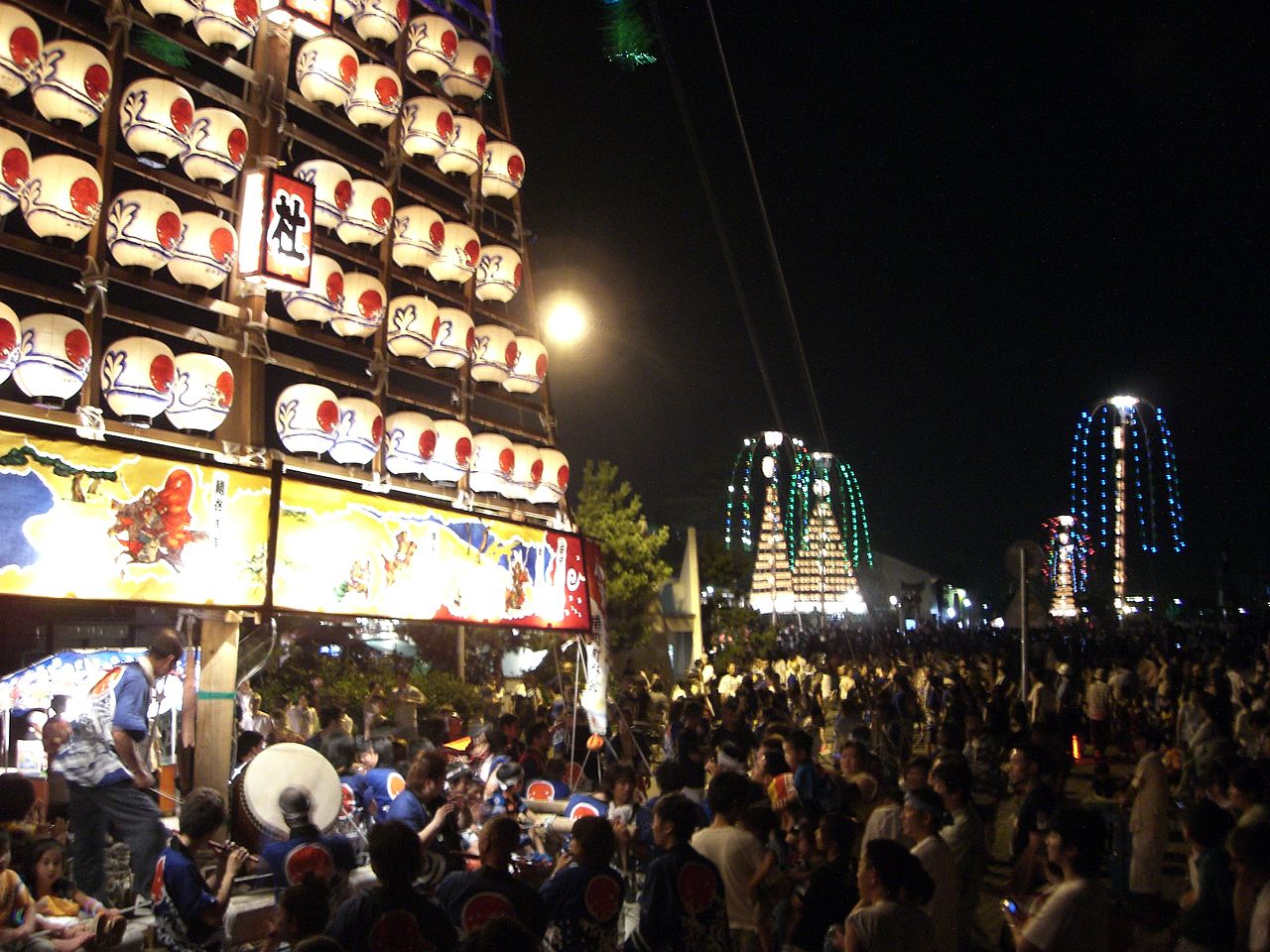
Fishing and seafood processing are important components of the local economy; Toyama Bay is famous for the seasonal arrival of the bioluminescent firefly squid, a culinary and tourist draw. Agriculture, light manufacturing and services complement the economy. Cultural life includes festivals, seafood markets and museums celebrating marine natural history and local archaeology.
Attractions and transport
- Coastal observation points for seasonal mirages and sea views.
- Local museums and aquaria illustrating marine life and ancient submerged forests.
- Markets and events centered on seafood, notably firefly squid season.
The city is linked by regional rail and road networks that connect it with larger centers in Toyama Prefecture and the wider Hokuriku region.
Notable facts
Uozu is often mentioned for its natural phenomena and marine resources rather than for a single landmark. Its combination of coastal scenery, seafood traditions and interpretive museums make it a representative example of smaller Japanese port cities that balance industry, tourism and conservation.
Related articles
Author
AlegsaOnline.com Uozu, Toyama — coastal city on Toyama Bay, Japan Leandro Alegsa
URL: https://en.alegsaonline.com/art/103457
Sources
- books.google.com : "Uozu,"
- books.google.com : Becoming Apart: National Power and Local Politics in Toyama, 1868-1945, p. 46
- books.google.com : Becoming Apart, p. 259
- books.google.com : Rioters and Citizens: Mass Protest in Imperial Japan, p. 50