
Toyama Prefecture (Toyama-ken)
Coastal prefecture on Honshū in Japan's Chūbu region. Capital Toyama; noted for the Northern Alps, Tateyama Kurobe Alpine Route, Toyama Bay marine life, heavy snow, pharmaceuticals and traditional villages.
Overview
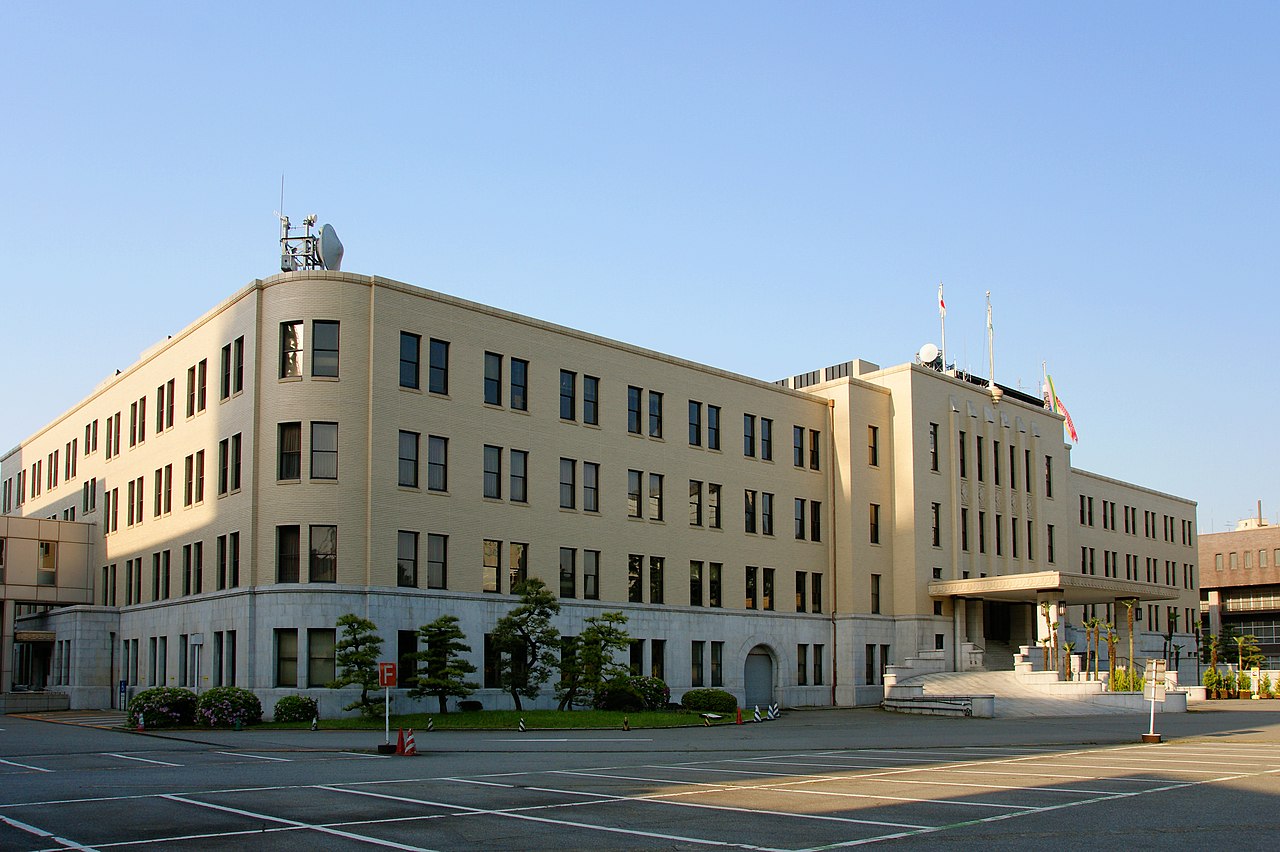
Toyama Prefecture lies on the northern coast of Honshū, facing the Sea of Japan. It is part of the wider Chūbu region and forms one of the prefectural divisions of Japan. The capital city, Toyama, serves as the administrative and commercial center and connects coastal industry with the highland communities of the Japanese main island.
Image gallery
10 Images






Geography and climate
Toyama's landscape is sharply divided: a narrow coastal plain meets the steep slopes of the Hida Mountains (sometimes called the Northern Alps). The prefecture includes deep, biologically rich Toyama Bay and high alpine zones with glaciers' legacy. Winters on the coast bring heavy snowfall and cold winds; summer is generally humid but cooler at altitude. Rivers flowing from the mountains have been harnessed for hydropower and irrigation.
History and administration
Historically the area corresponded largely to Etchū Province. During the feudal and Meiji periods local domains were reorganized into the modern prefecture system. Over time Toyama developed distinct local crafts and festivals while integrating industrial modernization in the 20th century.
Economy, culture and products
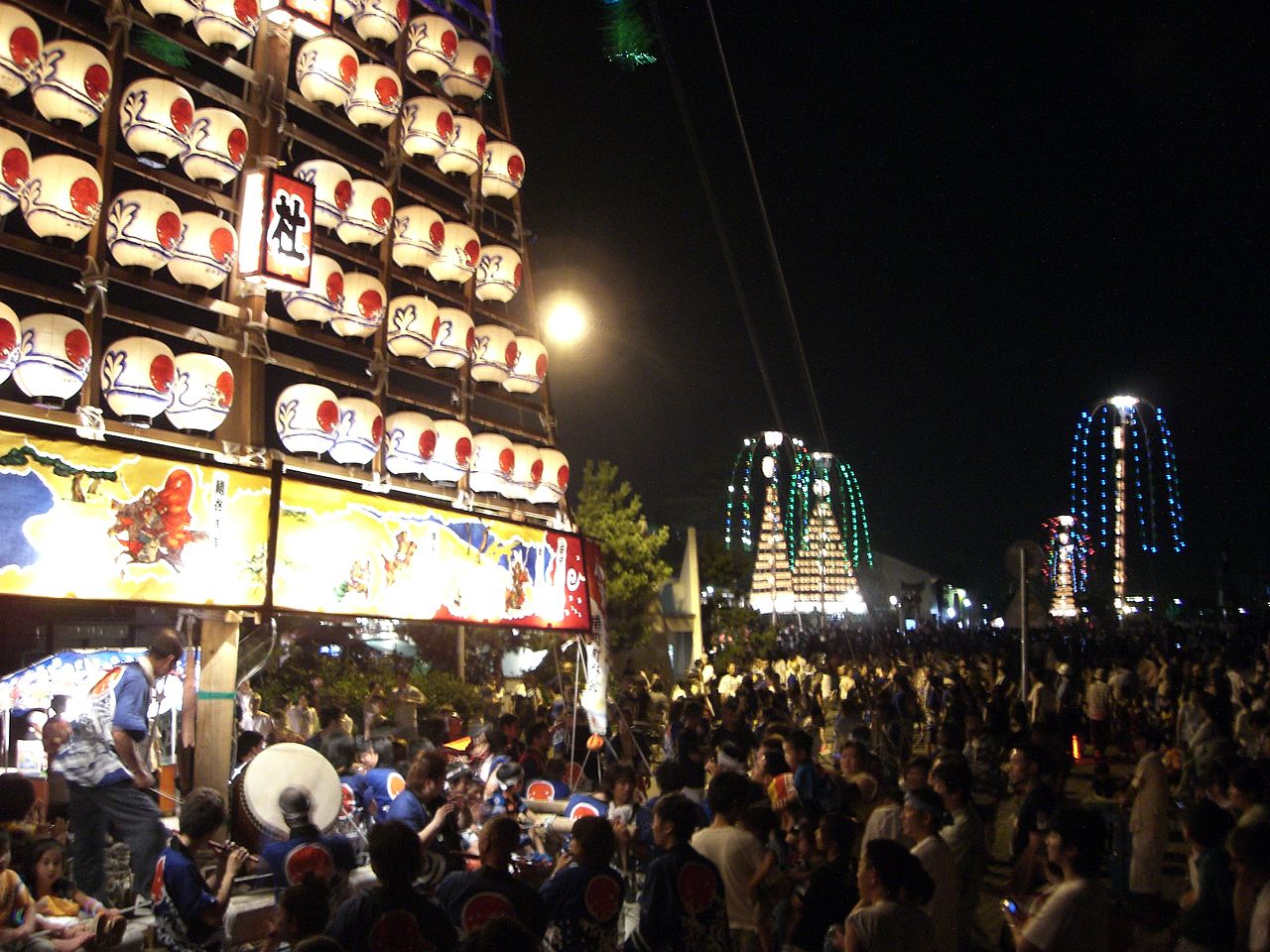
Toyama combines manufacturing, pharmaceuticals, fisheries and agriculture. It is known for a concentration of pharmaceutical firms and for producing cut flowers and tulips. Toyama Bay yields prized seafood such as squid and rich deep-sea species. Cultural highlights include traditional gassho-zukuri farmhouses at Gokayama, glass art studios, and the annual Owara Kaze no Bon festival.
Transport and tourism
Well-connected by rail and road, Toyama benefits from extensions of high-speed rail that improved access from major cities. The Tateyama Kurobe Alpine Route crosses the mountains with cable cars, ropeways and the Kurobe Dam, attracting many visitors for alpine scenery and spring snow corridors. Coastal routes serve fisheries and port towns.
Notable facts and distinctions
- Gokayama villages are recognized for their traditional gassho-zukuri architecture.
- The Kurobe Dam and the Tateyama Kurobe Alpine Route are major engineering and tourist attractions.
- Toyama Bay is notable for its deep waters and seasonal marine phenomena, including the firefly squid.
- The prefecture plays a significant role in Japan’s pharmaceutical industry and in renewable hydropower.
Questions and answers
Q: Where is Toyama Prefecture located?
A: Toyama Prefecture is located in the Chūbu region of Japan on the island of Honshū.
Q: What is the capital of Toyama Prefecture?
A: The capital of Toyama Prefecture is Toyama.
Q: Which region in Japan is Toyama Prefecture a part of?
A: Toyama Prefecture is a part of the Chūbu region of Japan.
Q: What does "prefecture" refer to in the context of Toyama Prefecture?
A: In Japan, "prefecture" refers to a division of the country similar to a state or province.
Q: Is Toyama Prefecture a city or a state?
A: Toyama Prefecture is a state-like division in Japan, similar to a province or a state in other countries.
Q: What is the official name of Toyama Prefecture in Japanese?
A: The official name of Toyama Prefecture in Japanese is 富山県 (Toyama-ken).
Q: What is the significance of the term "ken" in Toyama Prefecture's name?
A: "Ken" is the Japanese term for "prefecture," so it is a component of the official name of Toyama Prefecture in Japanese.
Related articles
Author
AlegsaOnline.com Toyama Prefecture (Toyama-ken) Leandro Alegsa
URL: https://en.alegsaonline.com/art/100959
Sources
- books.google.com : "Toyama prefecture"
- books.google.com : "Hokuriku" at p. 344
- books.google.com : "Provinces and prefectures,"
- env.go.jp : "General overview of area figures for Natural Parks by prefecture"
- eos.kokugakuin.ac.jp : "Nationwide List of Ichinomiya," p. 2