
University of Kansas Natural History Museum
A public museum and research center at the University of Kansas, housing natural history exhibits and scientific collections maintained by the KU Biodiversity Institute.
The University of Kansas Natural History Museum is a university museum and public exhibition space that preserves, researches, and interprets biological diversity. It operates as part of the KU Biodiversity Institute and serves both academic researchers and the general public. The museum's displays and collections document life on Earth through specimens, fossils, mounted animals, and interpretive exhibits.
Image gallery
4 Images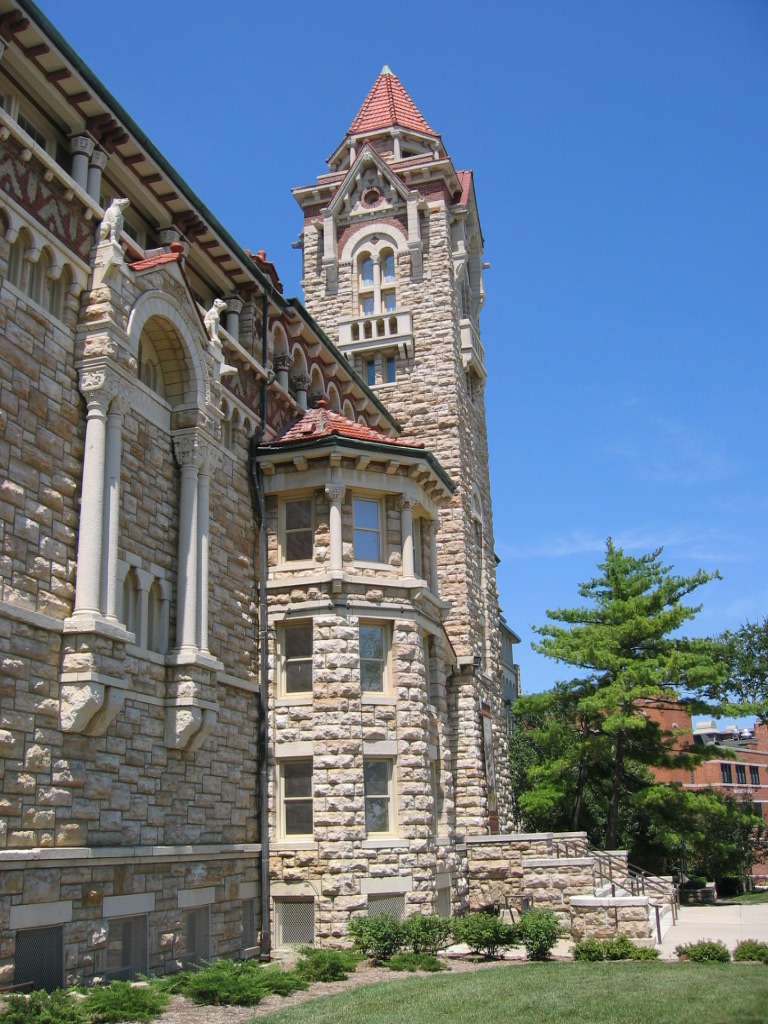



Collections and exhibits
The museum holds a range of specimen-based collections that support scientific study and public education. Typical holdings include:
- Fossils and vertebrate paleontology specimens that illustrate evolutionary history.
- Taxidermied mammals, birds, and mounted dioramas used for teaching comparative anatomy.
- Insect, plant (herbarium), and other invertebrate collections for biodiversity and systematics research.
Research and education
Beyond exhibits, the museum is a research hub where curators and students use specimens for taxonomy, ecology, conservation and evolutionary studies. Collections provide baseline data for species distributions, climate-change research, and museum-based teaching. Outreach programs, school visits, and public events translate scientific work into accessible learning experiences.
History and setting
The museum is closely linked to the University's broader effort to study life on the planet. Its history is tied to long-term collection-building by faculty and alumni; many university natural history museums originated in the late 19th and early 20th centuries as teaching collections. The building and exhibits reflect both educational and research missions.
Visiting and significance
As part of the university community, the museum welcomes visitors interested in natural history, science education, and the origins of biodiversity. It supports academic programs and provides a tangible connection between scholarly research and public understanding. For institutional information and visiting details, see the University of Kansas pages maintained by the KU Biodiversity Institute. Researchers can consult collection catalogs and staff via the institute's site at KU Biodiversity Institute.
Notable among university museums, this Natural History Museum demonstrates how specimen collections continue to underpin modern biology and conservation, linking historical material to contemporary scientific questions and civic education.
Related articles
Author
AlegsaOnline.com University of Kansas Natural History Museum Leandro Alegsa
URL: https://en.alegsaonline.com/art/103263
Sources
- nrhp.focus.nps.gov : "National Register Information System"
- news.ku.edu : Archaeological collection management