
United States Department of Veterans Affairs
Federal cabinet department that administers health care, benefits, and burial services for U.S. military veterans, their families, and survivors.
Overview
The United States Department of Veterans Affairs is a federal cabinet-level agency charged with delivering benefits and services to people who have served in the U.S. armed forces, as well as to their families and survivors. The department coordinates disability compensation, health care, education benefits and other programs that support veterans' transition to civilian life. For more information about the agency as an institution, see U.S. Department of Veterans Affairs.
Image gallery
6 Images
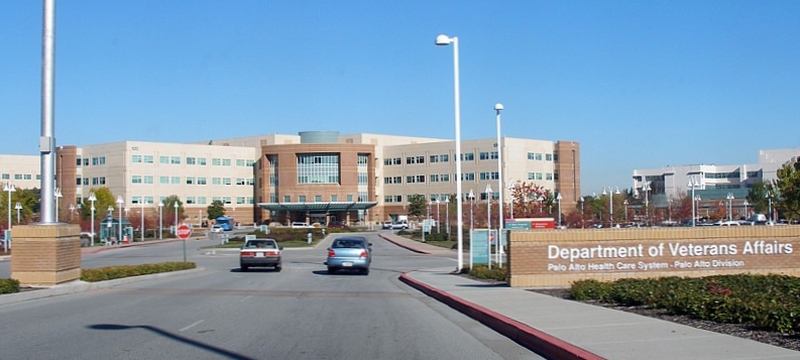




Structure and main components
The department is organized into several principal administrations that focus on different types of services. The largest of these is the Veterans Health Administration (VHA), which operates medical centers and clinics and provides clinical care. The Veterans Benefits Administration (VBA) manages claims for disability compensation, pensions, education benefits, and loan guaranties. The National Cemetery Administration (NCA) oversees burial benefits and national cemeteries. Together these units form the operational backbone of the VA's nationwide network.
Services and benefits
VA programs cover a wide range of needs. Common categories include:
- Health care: primary, specialty, mental health, and rehabilitation services through VA medical facilities.
- Financial benefits: disability compensation and pensions for qualifying veterans and survivors.
- Education and training: benefits rooted in wartime and peacetime educational programs (commonly associated with the GI Bill).
- Home loans: mortgage guaranties that help veterans obtain and refinance housing.
- Insurance and vocational rehabilitation: life and service-related insurance programs and job-readiness services.
- Burial and memorial: cemetery interment, headstones, and related survivor services.
History and leadership
The modern department traces institutional roots to separate veterans' programs consolidated during the 20th century; it was elevated to cabinet status to strengthen presidential-level attention to veterans' affairs. The department is led by the Secretary of Veterans Affairs, a presidential appointee who must be confirmed by the Senate and who oversees policy, operations, and outreach. For information about the office, see the page for the Secretary of Veterans Affairs.
Role, significance and contemporary issues
The VA plays a central role in the long-term care and social support of veterans, operating one of the nation’s largest integrated health care systems and providing benefits that affect education, homeownership, and family stability. Over time it has been the subject of legislative reforms and administrative efforts to modernize claims processing, improve access to care, and strengthen oversight. While many veterans rely on VA services as their primary source of medical and economic support, the department continues to evolve in response to changing veteran demographics and policy priorities.
Notable distinctions: the VA is a civilian cabinet department focused exclusively on former service members and their dependents; it is distinct from the Department of Defense, which manages active-duty military forces and related personnel services.
Related articles
Author
AlegsaOnline.com United States Department of Veterans Affairs Leandro Alegsa
URL: https://en.alegsaonline.com/art/103042
Sources
- va.gov : Benefits: Links
- va.gov : U.S. Department of Veterans Affairs