
Uckermark (district) — largest district in Brandenburg, Germany
Uckermark is a rural district in northeastern Brandenburg, Germany, known for extensive lakes, forests and low population density; formed in 1993 by merging several historic districts.
Overview
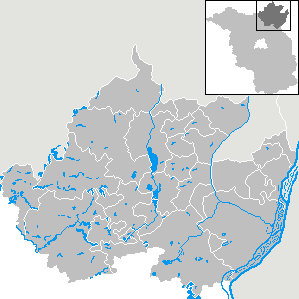
The Uckermark is an administrative district in the far northeast of the German state of Brandenburg. It occupies a broad, sparsely populated landscape characterized by lakes, wetlands and forests and is noted for being the largest Kreis (district) by area in Germany. The district seat and one of its historic towns is Prenzlau.
Image gallery
2 Images
Geography and natural features
Uckermark lies on a gently rolling glacial plain with a high density of small and medium-sized lakes, river valleys and protected wetlands. The name derives from the Ucker (Ucker) river basin that shapes much of the local drainage. Large tracts of farmland alternate with woodland and nature reserves, making the region a focus for conservation and low-intensity outdoor tourism.
Administrative structure and towns
The modern district includes a mix of small towns, market towns and rural municipalities. Major urban centres and administrative hubs include:
- Prenzlau (administrative seat)
- Templin
- Angermünde
- Schwedt
Local government covers both municipal services and coordination of nature protection, rural development and cross-border cooperation with neighbouring regions.
History and development
The Uckermark has a long regional identity stretching back to medieval settlement patterns and the historic Uckermark region. Over centuries it was shaped by Slavic settlement, German eastward expansion, and incorporation into the Brandenburg-Prussia realm. The present administrative district was created during a state-level reform in 1993 by merging the former districts of Angermünde, Prenzlau and Templin together with the independent city of Schwedt; the 1993 reorganization aimed to streamline administration and is often referenced in regional planning reform documentation.
Economy, culture and tourism
Because of its low population density, Uckermark's economy leans on agriculture, forestry, small and medium-sized enterprises, and seasonal tourism. Visitors are attracted by quiet lakes, cycling and hiking routes, bird-watching sites and historic town centres with medieval churches and market squares. Cultural life blends rural traditions with festivals and regional cuisine based on local produce.
Notable facts and distinctions
Uckermark is notable for its size relative to other German districts and for the continuity of its natural landscapes. Conservation areas and nature parks play an important role in regional identity and planning, and the district is often cited as an example of rural development challenges and opportunities in eastern Germany: maintaining services and infrastructure across a large area while protecting valuable habitats.
For further regional information and administrative resources, consult state and local pages linked above for context and official sources.
Questions and answers
Q: Where is Uckermark located?
A: Uckermark is located in the northeastern part of Brandenburg, Germany.
Q: What type of district is Uckermark?
A: Uckermark is a Kreis (district).
Q: What is the size of Uckermark compared to other districts in Germany?
A: Uckermark has the biggest area of any district in Germany.
Q: When was the current district of Uckermark established and how was it formed?
A: The current district of Uckermark was established in 1993 by joining the old districts of Angermünde, Prenzlau and Templin and the city of Schwedt.
Q: What were the old districts that were combined to form the Uckermark district?
A: The old districts that were combined to form the Uckermark district were Angermünde, Prenzlau and Templin, and the city of Schwedt.
Q: Why was the Uckermark district formed?
A: The Uckermark district was formed in 1993 by combining several smaller districts to form a larger, more efficient administrative unit.
Q: What is the significance of Uckermark being the largest district in Germany?
A: Uckermark's status as the largest district in Germany may have implications for its administrative functions and the resources that are available to it.
Related articles
Author
AlegsaOnline.com Uckermark (district) — largest district in Brandenburg, Germany Leandro Alegsa
URL: https://en.alegsaonline.com/art/102495