
Türkmenabat — regional capital on the Amu Darya in eastern Turkmenistan
Türkmenabat (formerly Chardzhou) is the capital of Lebap Province in eastern Turkmenistan, an agricultural and transport hub on the Amu Darya with a history tied to irrigation and regional trade.
Overview

Türkmenabat, sometimes written Turkmenabad and historically known as Chardzhou, is the principal city of Lebap Province in eastern Turkmenistan. The city lies near the Amu Darya river and serves as a regional center for administration, commerce and transport. Its population has grown during the 20th and early 21st centuries; older estimates put the city at roughly 250,000 residents in the late 2000s.
Image gallery
8 Images



Name and language
The contemporary name Türkmenabat reflects Turkmen identity and urban status. Older forms include Chardzhou, a name of Persian origin meaning "four canals," referring to the area's historic irrigation works. Local languages and scripts are part of the city's public life; for example, the Turkmen language appears on signs and in official use, while Russian-language legacy remains visible from the Soviet era (Chardzhou).
Geography and climate
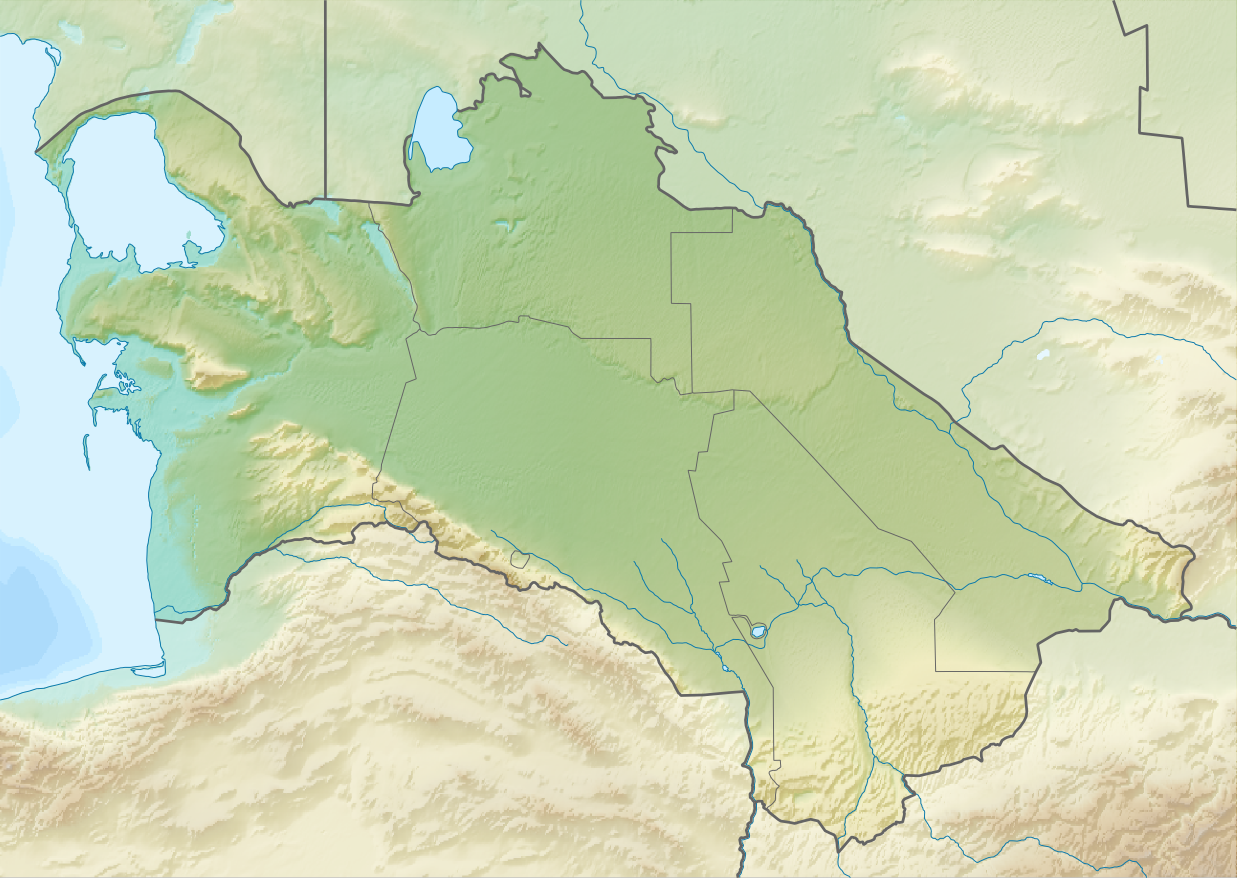
Türkmenabat sits in an irrigated river plain on the lower slopes near the Amu Darya. The climate is continental: hot, arid summers and cool winters with relatively low precipitation. The surrounding region is heavily shaped by irrigation canals, orchards and cotton fields that depend on river water for cultivation.
Economy, transport and infrastructure
The city functions as a commercial and logistical hub for eastern Turkmenistan. Key economic activities include agro-processing, light industry, wholesale markets and services that support cross-border trade. Türkmenabat is linked by road and rail to other parts of Turkmenistan and neighboring countries, making it a transit point for goods and passengers heading toward Uzbekistan and beyond.
History and development
Settlement in this part of the Amu Darya basin is long-standing, tied to irrigation and riverine trade routes. The town expanded under Russian imperial and Soviet administration when railways and irrigation projects increased its strategic and economic importance. In the post-Soviet period it has remained the chief city of Lebap Province and a center for regional governance.
Characteristics and notable facts
- Administrative role: capital of Lebap Province and seat of provincial institutions.
- Agriculture: surrounded by irrigated fields and gardens producing cotton, grain and fruit.
- Transport: connected by rail and highways; a regional market and trade node.
- Cultural life: local bazaars, mosques and public spaces reflect the city's diverse history.

More information about the city's name forms, linguistic context and regional ties can be found in language and regional studies resources (Persian name origins) and country guides that discuss contemporary life in eastern Turkmenistan.
Related articles
Author
AlegsaOnline.com Türkmenabat — regional capital on the Amu Darya in eastern Turkmenistan Leandro Alegsa
URL: https://en.alegsaonline.com/art/102115