
Tukums, Latvia
Tukums is a historic Latvian town and municipal centre in western Latvia, known for its long urban history, regional transport links, cultural institutions and a major tire recycling industry.
Tukums is a town in western Latvia that serves as the administrative centre of its municipality. It received formal town rights in 1795 and has developed as a local market, transport and service hub. The town combines a compact historic centre with surrounding residential neighbourhoods and rural hinterland.
Image gallery
9 Images
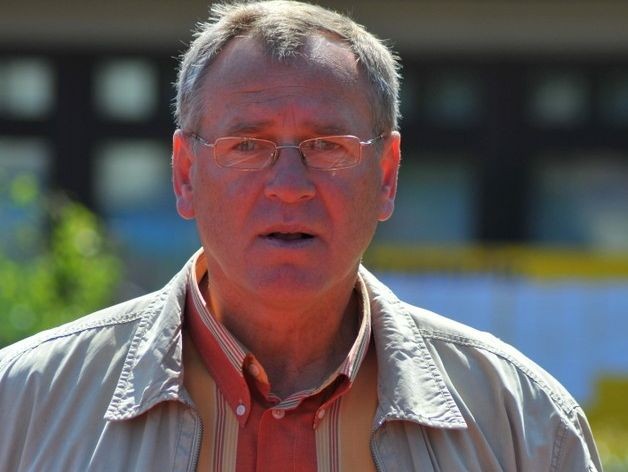

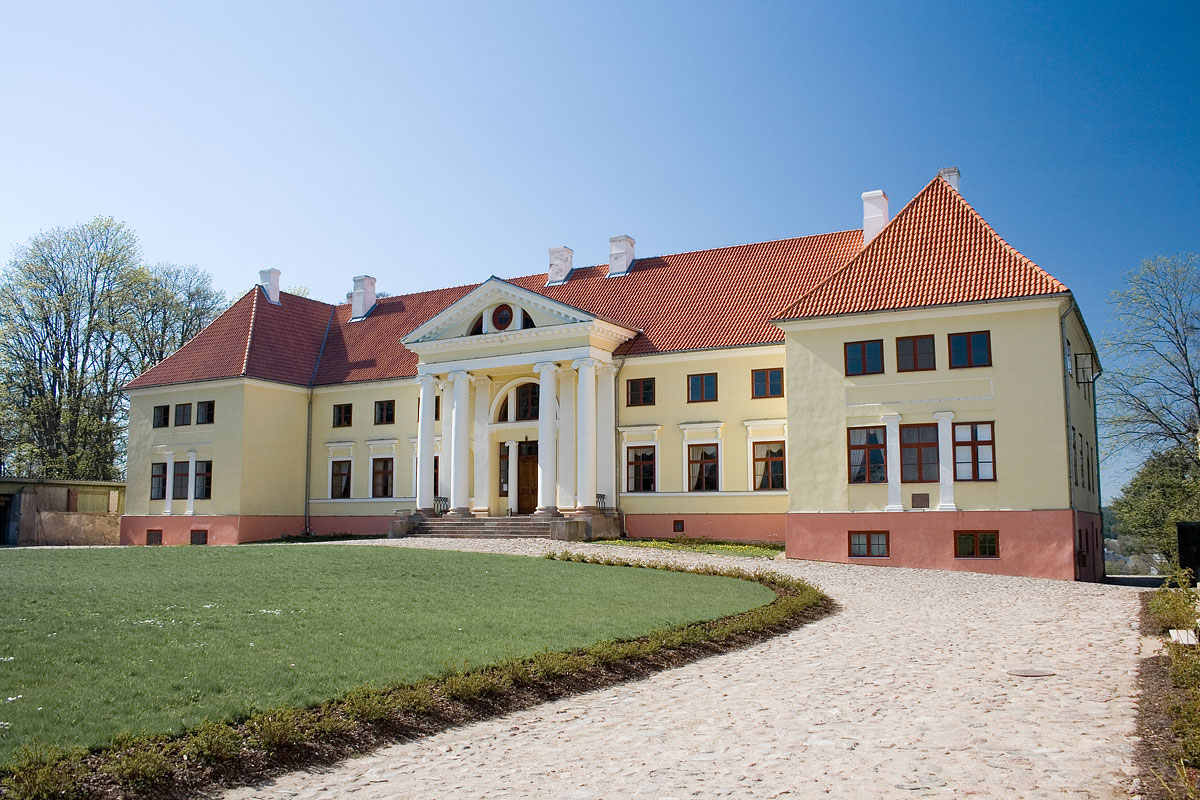



Characteristics and landmarks
The town contains a mix of historic buildings, civic institutions and small industry. Visitors and residents encounter municipal parks, cultural venues and local museums, as well as everyday services such as shops, schools and health facilities. Tukums is linked by regional roads and rail connections to the Latvian capital and to other towns, which supports commuting and freight movement.
Economy and notable industries
Tukums' economy is diverse for its size: local commerce, light manufacturing and agricultural services play a role alongside public administration. In recent years the town gained wider attention for its tire recycling capacity. A recycling plant in Tukums has been reported to process a very large share of Latvia's recycled vehicle tires and is regarded as one of the larger facilities serving the Baltic region (Baltic states).
History and development
Although it received town rights in the late 18th century, Tukums' origins predate that status; like many Latvian towns it grew from a market settlement and local trade routes. Over the 19th and 20th centuries the town expanded as rail and road links improved, and it adapted through changing political and economic periods while preserving elements of its built and civic heritage.
Community and public life
Tukums has active local government and community organisations. During the 2020 COVID-19 pandemic the town and its surrounding region were noted by national leaders for local efforts to support residents, including outreach and counselling services; Latvian president Egils Levits publicly praised local initiatives at that time. Community events, cultural programmes and municipal services remain important to daily life.
Why Tukums matters
- Regional hub: serves surrounding rural areas with services and transport links.
- Industrial role: hosts significant recycling capacity that has national relevance.
- Cultural and historic interest: maintains museums, public parks and preserved architecture.
Tukums illustrates how a small European town can combine historical roots, local culture and modern industry. For more regional context consult overviews of Latvia and the Baltic area, or follow municipal resources for current events and services.
Related articles
Author
AlegsaOnline.com Tukums, Latvia Leandro Alegsa
URL: https://en.alegsaonline.com/art/101969
Sources
- themayor.eu : "Half of Latvia's tires to be recycled in new plant in Tukums"
- president.lv : "President of Latvia and leaders of local governments discuss regional challenges of the crisis management"