
Tsukuba: Japan’s Planned Science City in Ibaraki Prefecture
Tsukuba is a purpose-built research and university city in Ibaraki Prefecture, northeast of Tokyo, known for its concentration of national laboratories, the University of Tsukuba, and science-focused urban planning.
Overview
Tsukuba is a modern city in Ibaraki Prefecture, Japan, situated roughly 50 km northeast of Tokyo and about 40 km from Narita International Airport. It is widely recognized as a center for research and higher education, often called Tsukuba Science City because of the high density of national and private research institutes, university facilities, and technology parks. Since 2007 it has held the administrative designation of a special city, which grants it greater local autonomy.
Image gallery
10 Images


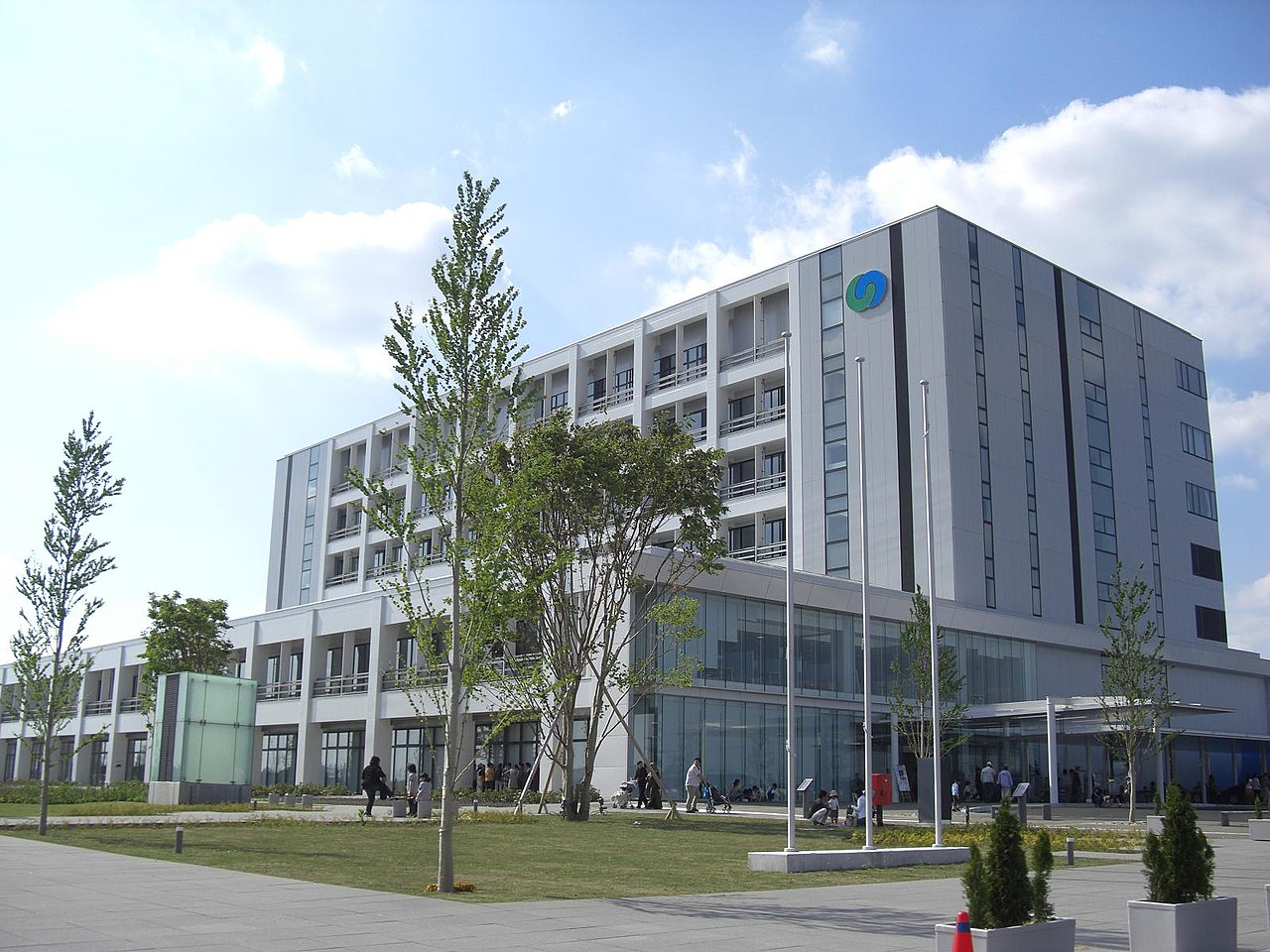
Characteristics and key institutions
The urban plan emphasizes campuses and green belts rather than a dense downtown core. Large research precincts house a range of organizations—national laboratories, corporate research centers, and the principal university campus. The city’s layout and services are designed to support long-term scientific collaboration and technology transfer while maintaining residential neighborhoods and public parks.
Major research and cultural sites
- National and international research institutes and laboratories
- University of Tsukuba and affiliated educational facilities
- Tech parks, exhibition halls and conference venues
- Recreational sites such as Mount Tsukuba and public gardens
History and development
Tsukuba’s identity grew from postwar planning efforts to concentrate scientific resources outside central Tokyo. Over several decades it evolved from agricultural land and small towns into a planned cluster for research and higher education. The city hosted a major international exposition in the 1980s that showcased science and technology and helped raise its profile. Since then, steady expansion of institutes and university programs has reinforced its role as a national research hub.
Access and importance
Tsukuba is connected to the Tokyo area by express commuter services and road links, enabling daily commuting and close ties with industry and government in the capital region. Its proximity to major transport nodes supports international collaboration and visits from overseas researchers. The concentration of expertise also makes Tsukuba a focal point for startup formation, joint research projects, and applied innovation in fields from environmental science to robotics.
Notable distinctions and facts
Aside from its formal classification as a special city, Tsukuba is notable for its interdisciplinary neighborhoods where laboratories, classrooms and residential areas intermix. The city balances scientific activity with cultural and natural attractions, offering hiking and seasonal festivals around Mount Tsukuba as well as museums and public outreach programs. Readers interested in visiting or researching the city can find institutional directories, transit information and cultural guides through local resources and official portals.
For local administration and regional context, see references to Ibaraki Prefecture, links to the greater Tokyo area via Tokyo, travel options from Narita International Airport, and details of the city’s civic status at special city information pages.
Related articles
Author
AlegsaOnline.com Tsukuba: Japan’s Planned Science City in Ibaraki Prefecture Leandro Alegsa
URL: https://en.alegsaonline.com/art/101887
Sources
- hindawi.com : "Japan's Evolving Nested Municipal Hierarchy: The Race for Local Power in the 2000s,"
- hindawi.com : Table 3