
Tsarevich of Russia
Imperial Russian title for the designated successor to the throne, traditionally male-held and styled Imperial Highness; evolved from medieval usage and made obsolete after the 1917 revolution.
The title Tsarevich (often rendered in the imperial period as Tsesarevich) denoted the designated successor to the Russian throne. It identified the heir apparent or heir presumptive within the imperial family and carried the formal style of Imperial Highness. In the context of the Russian Empire the title was a clear marker of dynastic status and succession rights.
Image gallery
10 Images


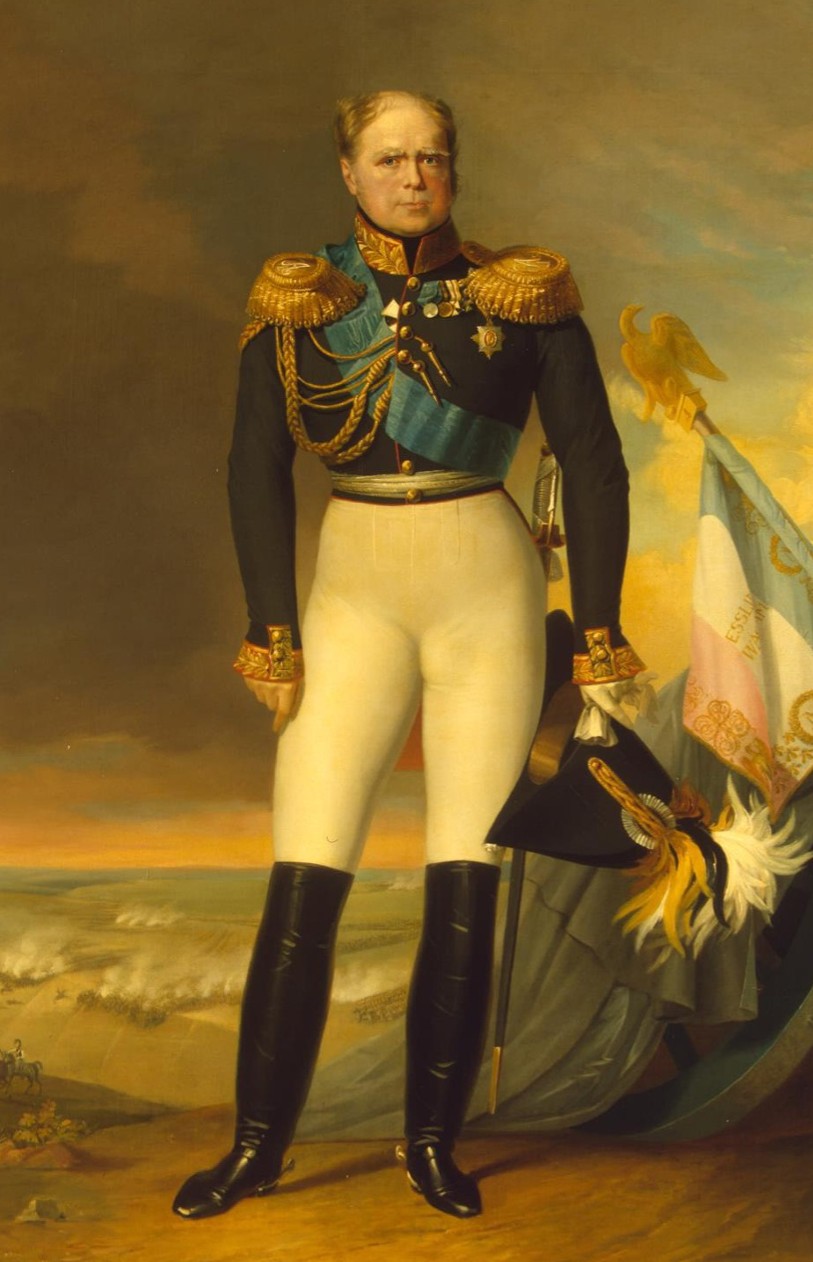
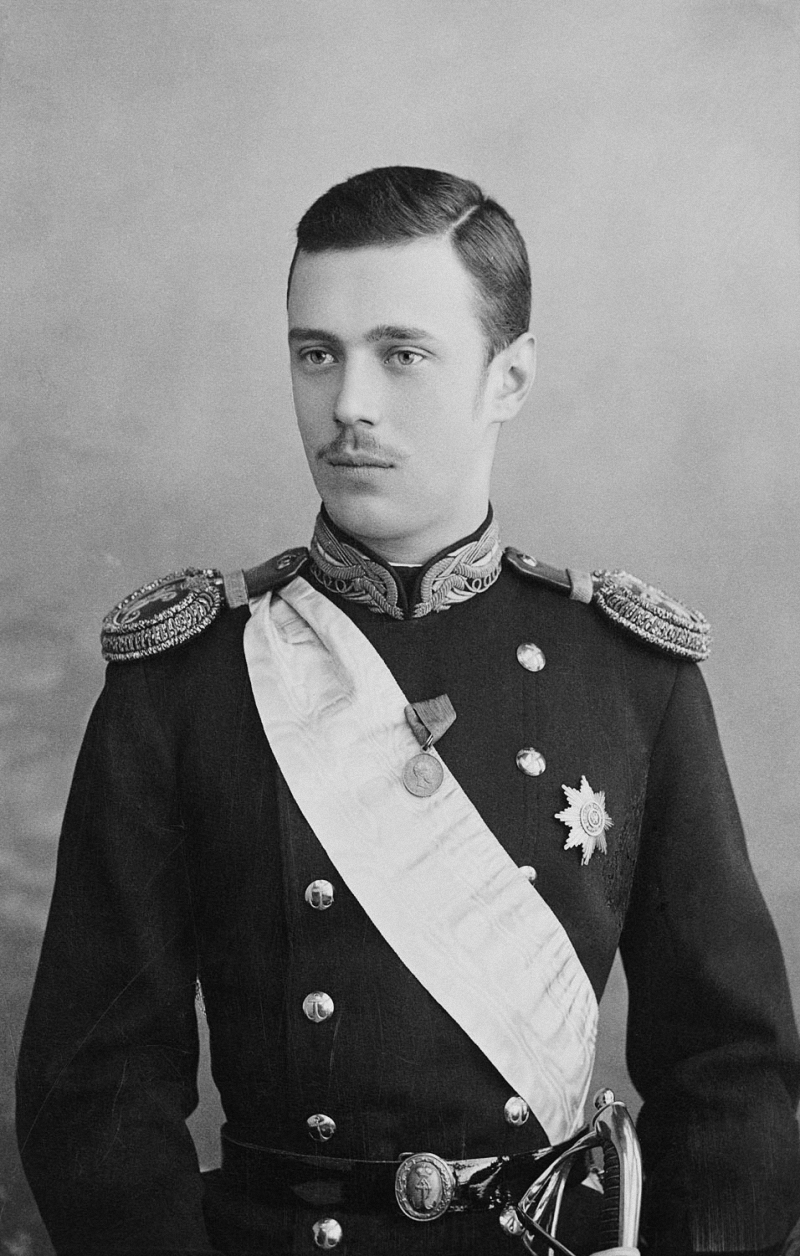
Meaning and use
Historically, the word was applied in two related senses: in earlier Muscovite practice it meant simply a son of a tsar; in the imperial era it became a specific dynastic title for the monarch's chosen successor. The holder could be the heir apparent or, if no definitive heir had been declared, the heir presumptive. When used to indicate the designated successor it identified the leading candidate to inherit and rule as emperor or empress (heir apparent).
Succession and gender
From the late 18th century onward succession law and practice increasingly favored male-line inheritance. After the reign of Catherine the Great the Romanov dynasty moved toward statutory rules, notably those formalized by her successor, which limited female succession in many circumstances. As a result, the title was most often held by males and female heirs were relatively rare in the line of direct succession; the legal and customary restrictions are often discussed under succession legislation (female succession).
History and development
The evolution from a generic princely designation to an institutionalized title parallels Russia's transformation from a group of principalities to a centralized imperial state. The shift in styles and ranks under rulers such as Peter the Great and subsequent Romanovs standardized court ranks and titles, placing the tsarevich/tsesarevich as the foremost member of the imperial family after the sovereign.
Notable holders and examples
- Tsesarevich Nicholas — later Emperor Nicholas II, who served as heir before accession.
- Tsesarevich Alexei Nikolaevich — the last imperial heir of Russia, son of Nicholas II.
Distinctions and legacy
The tsarevich/tsesarevich differed from other princely titles such as Grand Duke or Prince of the Blood by its explicit succession function. Following the 1917 revolutions and the end of the Romanov monarchy the title ceased to be used in state practice, but it remains a subject of historical study and appears frequently in accounts of imperial protocol, succession disputes, and dynastic biography.
For summaries of succession rules, court rank, and biographical details of individual heirs, see further reading and archival sources indexed in specialist works and primary documents. Heirship, dynastic law and the ceremonial role of the tsarevich form an important part of late imperial Russian political culture.
Related articles
Author
AlegsaOnline.com Tsarevich of Russia Leandro Alegsa
URL: https://en.alegsaonline.com/art/101859
Sources
- 1911encyclopedia.org : "Cesarevich"