
Trois-Rivières, Quebec
Trois-Rivières is a historic city in Quebec, Canada, at the confluence of the Saint-Maurice and Saint Lawrence rivers, known for its early colonial origins, industrial heritage and cultural institutions.
Trois-Rivières is a city in the province of Quebec in Canada, situated where the Saint-Maurice River flows into the Saint Lawrence River. Its name, French for "three rivers," refers to the Saint-Maurice's split into three channels as it meets the larger river. The city's waterfront and river confluence have shaped its geography, settlement pattern and economy since the 17th century.
Image gallery
10 Images


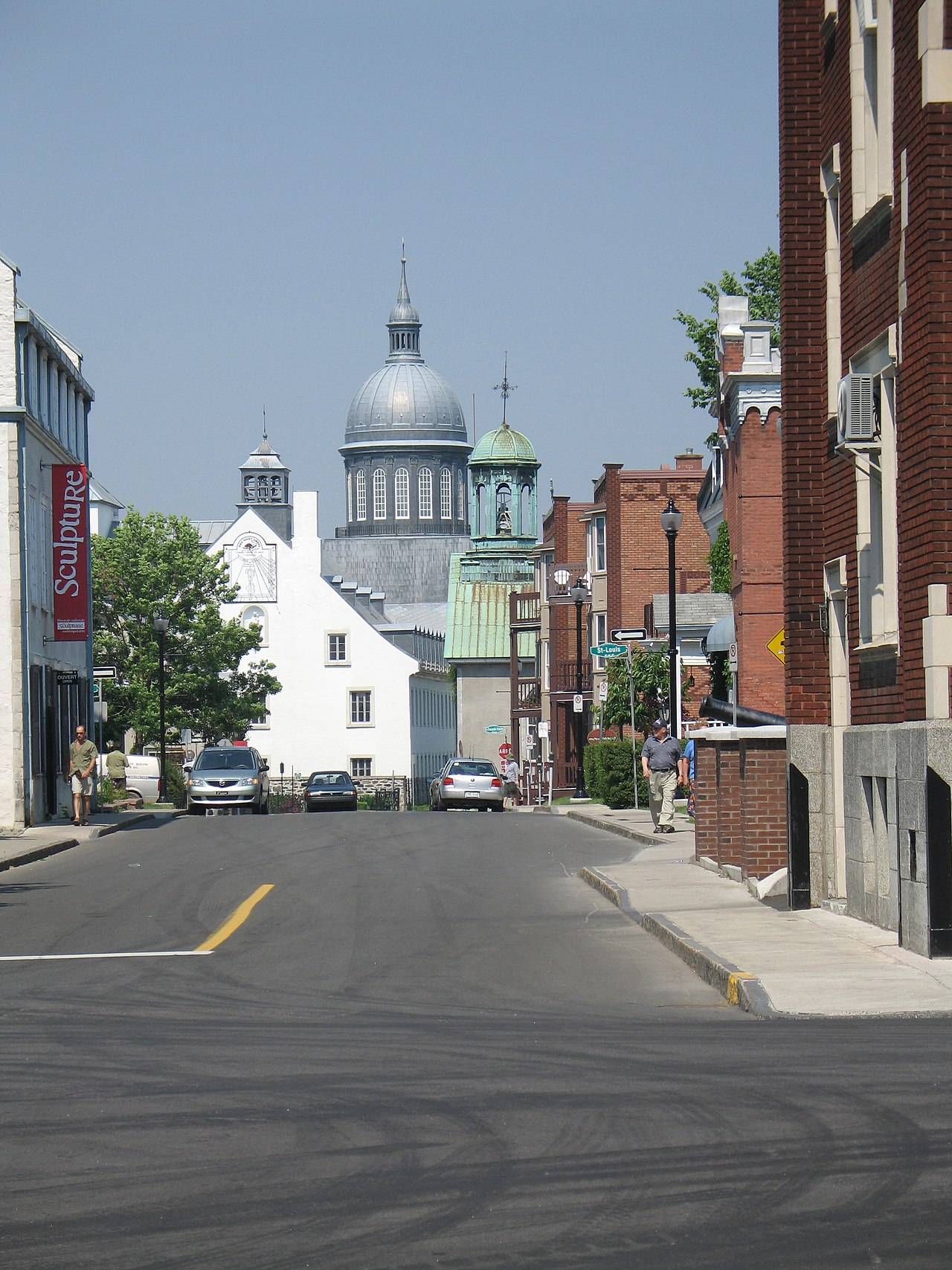


Overview and geography
The urban area occupies both banks of the Saint-Maurice and extends along the Saint Lawrence. Shallow islands and multiple mouths at the river's mouth give rise to the name Trois-Rivières. The downtown core includes a historic district with buildings from the 18th and 19th centuries, and the port along the Saint Lawrence remains an element of local commerce and transport. The city lies roughly halfway between Montreal and Quebec City and historically served as a regional hub.
History and origins
Trois-Rivières was established in the early colonial era and is one of the oldest European settlements in what became New France. It was formally founded in 1634 and developed as a fur trading post, military staging point and later as an industrial centre. Over the centuries the town expanded from a riverside trading place into a municipality with shipbuilding, milling and paper-making among the important activities. The urban landscape reflects layers of French colonial, British colonial and modern Canadian development.
Economy, culture and institutions
Historically dominated by forestry, paper and manufacturing, the local economy has diversified toward services, education and tourism. The presence of higher education—most notably the Université du Québec à Trois-Rivières—adds research and student life to the city. Cultural life includes museums, performing arts venues and festivals that celebrate regional history, francophone culture and contemporary arts. The riverfront areas are used for recreation, promenades and seasonal events.
Notable sites and events
- Historic downtown and riverfront promenades.
- Museums and heritage buildings that interpret the region's colonial and industrial past.
- Annual festivals and cultural programming that attract regional visitors.
- Port facilities on the Saint Lawrence that support commercial and recreational navigation.
For more information on the region and travel resources, regional pages and tourism guides often list practical details and event calendars; see local government and tourism portals for schedules and visitor information. The Saint Lawrence itself is a major geographic feature for navigation and ecology, and the meeting of rivers at Trois-Rivières is a defining characteristic of the city's identity and history; see materials that treat the river system for broader context on the Saint Lawrence and its tributaries.
Although modern Trois-Rivières is a contemporary Canadian city, its origins as an early French settlement and its riverside location continue to shape its architecture, economy and cultural life. Visitors and residents alike encounter a mix of historic streets, post-industrial landscapes and active cultural institutions that reflect both local traditions and regional connections within Quebec and Canada.
Related articles
Author
AlegsaOnline.com Trois-Rivières, Quebec Leandro Alegsa
URL: https://en.alegsaonline.com/art/101614
Sources
- www12.statcan.gc.ca : www12.statcan.gc.ca/census-recensement/srvmsg/srvmsg404.html