
Tsarskoye Selo (Pushkin): Imperial residence, palaces and park
Historic imperial estate south of St. Petersburg, known for the Catherine and Alexander Palaces, landscaped parks, the Amber Room and its role as a museum complex and World Heritage component.
Tsarskoye Selo, literally "Tsar's Village," is the historic imperial estate located southeast of the center of St. Petersburg. The name in Russian is shown as Ца́рское Село́, and the toponym reflects its original function as a summer residence for the Russian monarchs. The place is often associated with the nearby town now called Pushkin and is part of a larger cultural landscape recognized as a World Heritage Site.
Image gallery
10 Images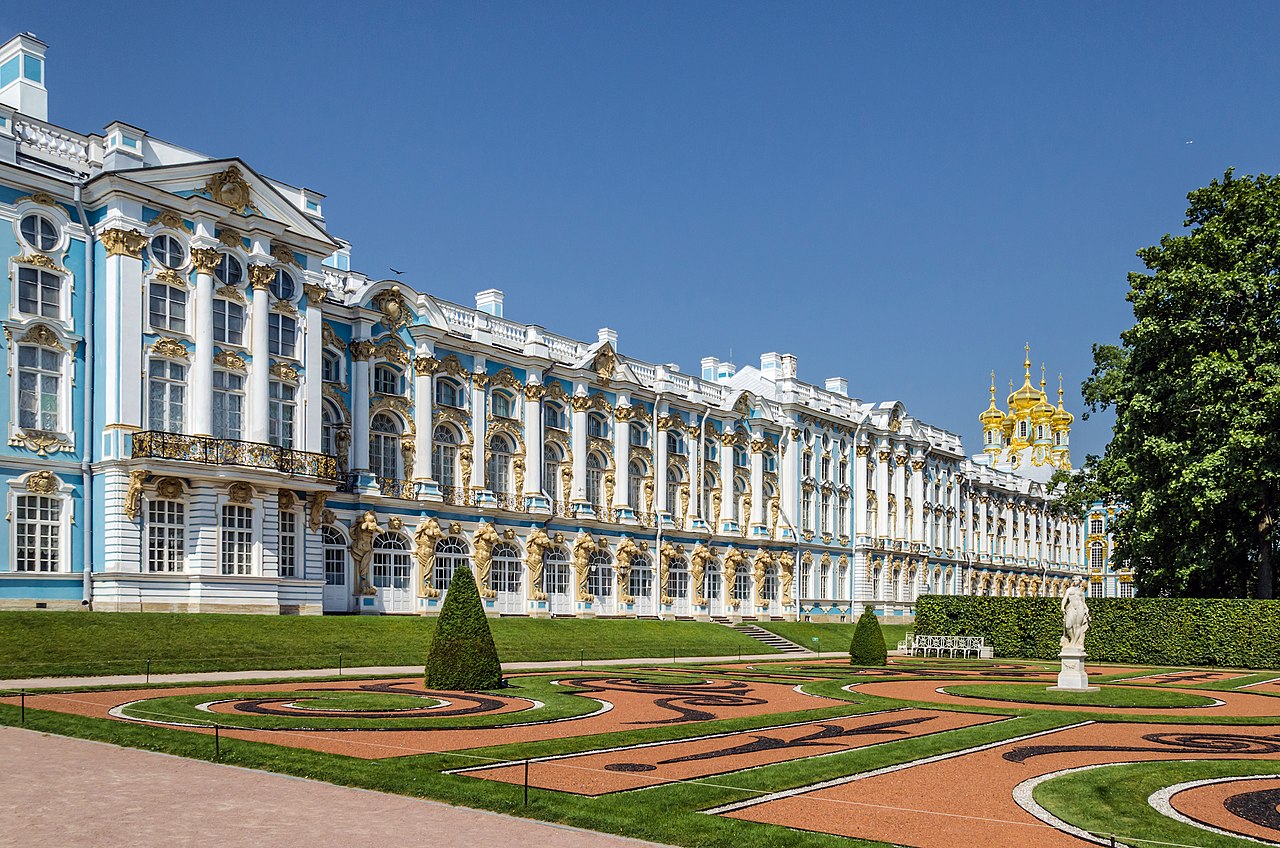




What it is and where
The estate sits roughly 26 kilometres (16 miles) from central St. Petersburg. It developed from a modest royal village into an ensemble of grand palaces, formal gardens and decorative pavilions. The site functioned as an imperial household and court center until the early 20th century and retains a high concentration of 18th- and 19th-century architecture.
Main features
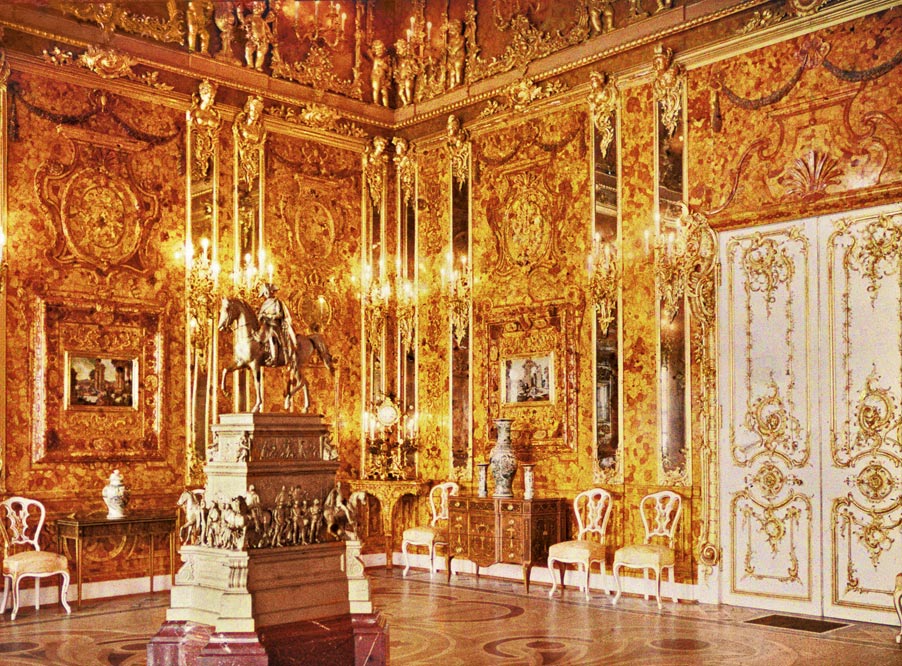
- Catherine Palace — the most famous building, famous for its Baroque facades and the reconstructed Amber Room.
- Alexander Palace — a later imperial residence associated with the Romanov family in the 19th and early 20th centuries.
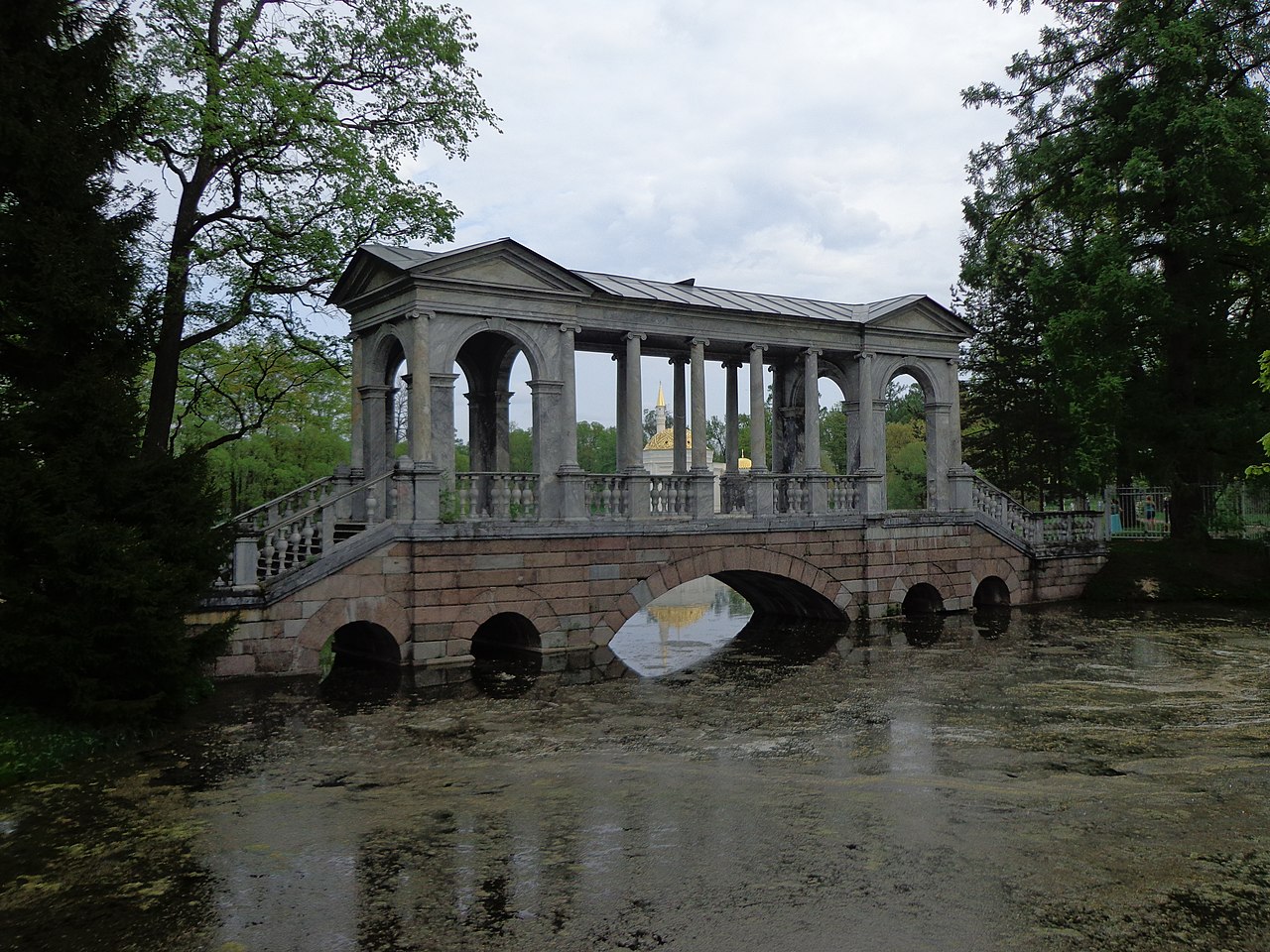
- Park and pavilions — extensive English- and French-style landscape areas with smaller follies, lakes and alleys.
The estate's name and prestige grew particularly under rulers like Catherine I and Catherine the Great; their patronage led to ambitious rebuilding and artistic decoration. Over time Tsarskoye Selo became a setting for court life, festivals, and as a statement of imperial taste and power. For background on the site's significance and etymology see etymology and naming and the broader entries on Russian imperial residences at related articles.
During the 20th century the estate witnessed dramatic events: it ceased to be a dynastic residence after the revolution, suffered damage during World War II, and underwent long postwar restoration. Much of the original decoration was lost or removed, most famously the Amber Room panels that were taken during the war and later reconstructed in the 20th century.
Today Tsarskoye Selo functions as an extensive museum complex and cultural destination. Visitors can tour restored rooms and galleries, walk the landscaped parks, and attend exhibitions and concerts held in historic halls. The town that grew around the estate was renamed Pushkin to honor the poet, and the ensemble remains one of the most visited and studied examples of imperial Russian architecture and landscape design.
For practical visitor information, conservation projects and current exhibitions consult official museum resources and guides, or follow institutional links for updates and booking details.
Questions and answers
Q: What is Tsarskoye Selo?
A: Tsarskoye Selo is an old Russian residence of the imperial family.
Q: Where is Tsarskoye Selo located?
A: Tsarskoye Selo is located 26 kilometers (16 miles) south from the center of St. Petersburg.
Q: Is Tsarskoye Selo still a place for the imperial family?
A: No, Tsarskoye Selo is no longer a place for the imperial family.
Q: What is Tsarskoye Selo part of now?
A: Tsarskoye Selo is part of the town of Pushkin and of the World Heritage Site.
Q: What is the Russian name for Tsarskoye Selo?
A: The Russian name for Tsarskoye Selo is Ца́рское Село́.
Q: How far is Tsarskoye Selo from the center of St. Petersburg?
A: Tsarskoye Selo is located 26 kilometers (16 miles) south from the center of St. Petersburg.
Q: What is the current status of Tsarskoye Selo?
A: Tsarskoye Selo is now part of the town of Pushkin and of the World Heritage Site.
Related articles
Author
AlegsaOnline.com Tsarskoye Selo (Pushkin): Imperial residence, palaces and park Leandro Alegsa
URL: https://en.alegsaonline.com/art/101860