
Trois-Ponts (Belgium)
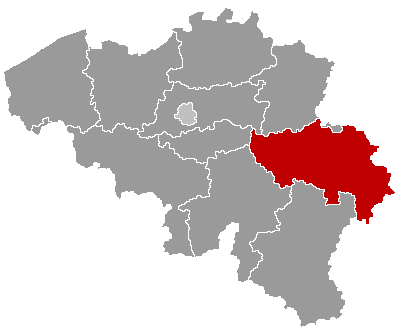
Trois-Ponts is a small Walloon municipality in Liège province, Belgium, located at the confluence of rivers and offering forested Ardennes scenery, outdoor recreation, and a population of about 2,500 (2007).
Overview
Trois-Ponts is a municipality in Wallonia, the French-speaking region of southern Belgium. It lies in the hilly, forested part of the Ardennes within the province of Liège and takes its name from a historic river crossing—literally "three bridges" in French. The municipality had 2,504 inhabitants in 2007 and is centred near the coordinates 50.367°N, 5.867°E.
Image gallery
3 Images

Geography and environment
Trois-Ponts sits where several small rivers meet and is surrounded by mixed woodlands, pastures and rolling hills typical of the Ardennes. The setting makes it a local centre for outdoor activities: hiking, cycling and nature observation are common. The climate is temperate with relatively cool summers and wetter conditions than lowland areas.
History and development
The town grew around river crossings and local trade routes; bridges and fords shaped its early layout and gave the place its name. Like many Belgian municipalities, Trois-Ponts was affected by 20th-century administrative reorganisations that defined its modern borders. Traditional rural industries—forestry, small-scale farming and local crafts—helped sustain the community through earlier centuries.
Economy and transport
The local economy combines services for residents, small businesses, and tourism-related activity. Trois-Ponts has road connections to nearby towns and is used as a base for exploring the surrounding countryside. Public and regional transport link the municipality with larger centres in the Liège region and beyond; visitors often arrive to enjoy day trips into the Ardennes.
Attractions and activities
Highlights include riverside walks, forest trails and seasonal outdoor pursuits. The town itself offers a compact centre with local shops and community facilities. Nearby natural areas attract birdwatchers and hikers; the setting is also suited to quieter tourism such as guesthouses and self-guided nature excursions.
Further information
For administrative details, services and local news consult the Trois-Ponts municipal information resources (municipal site). For regional context and travel planning see general guides to the Ardennes and the Belgium tourism pages.
Related articles
Author
AlegsaOnline.com Trois-Ponts (Belgium) Leandro Alegsa
URL: https://en.alegsaonline.com/art/101613
Sources
- statbel.fgov.be : Werkelijke bevolking per gemeente op 1 januari 2007 / Population de droit par commune au 1 janvier 2007 (.xls)
- statbel.fgov.be : Geografische coördinaten van de gemeenten (.xls)
- commons.wikimedia.org : Trois-Ponts