
Trial by Jury (one-act operetta by Gilbert and Sullivan)
Trial by Jury is a one-act comic operetta by Gilbert and Sullivan (1875). Entirely sung, short and satirical, it helped establish the Savoy tradition and remains frequently staged and recorded today.
Trial by Jury is a one-act comic operetta by librettist W. S. Gilbert and composer Arthur Sullivan. First staged on 25 March 1875 at the Royalty Theatre, it was the second collaboration between the duo and is the earliest of their works still in regular performance. Originally presented in a program that included Jacques Offenbach's La Périchole, the piece is notable for being brief—running roughly forty to forty-five minutes—and for being entirely sung, without spoken dialogue.
Image gallery
10 Images


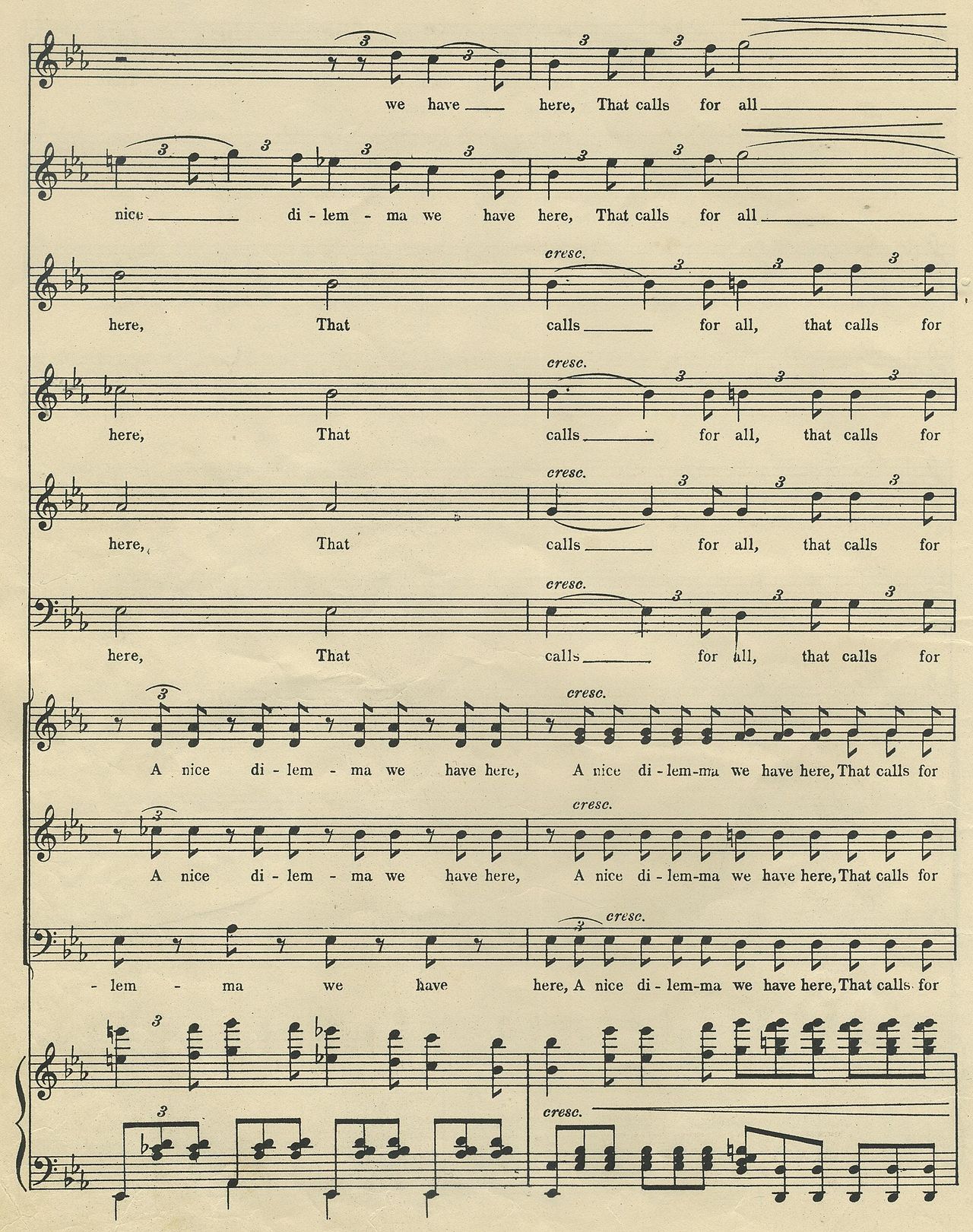


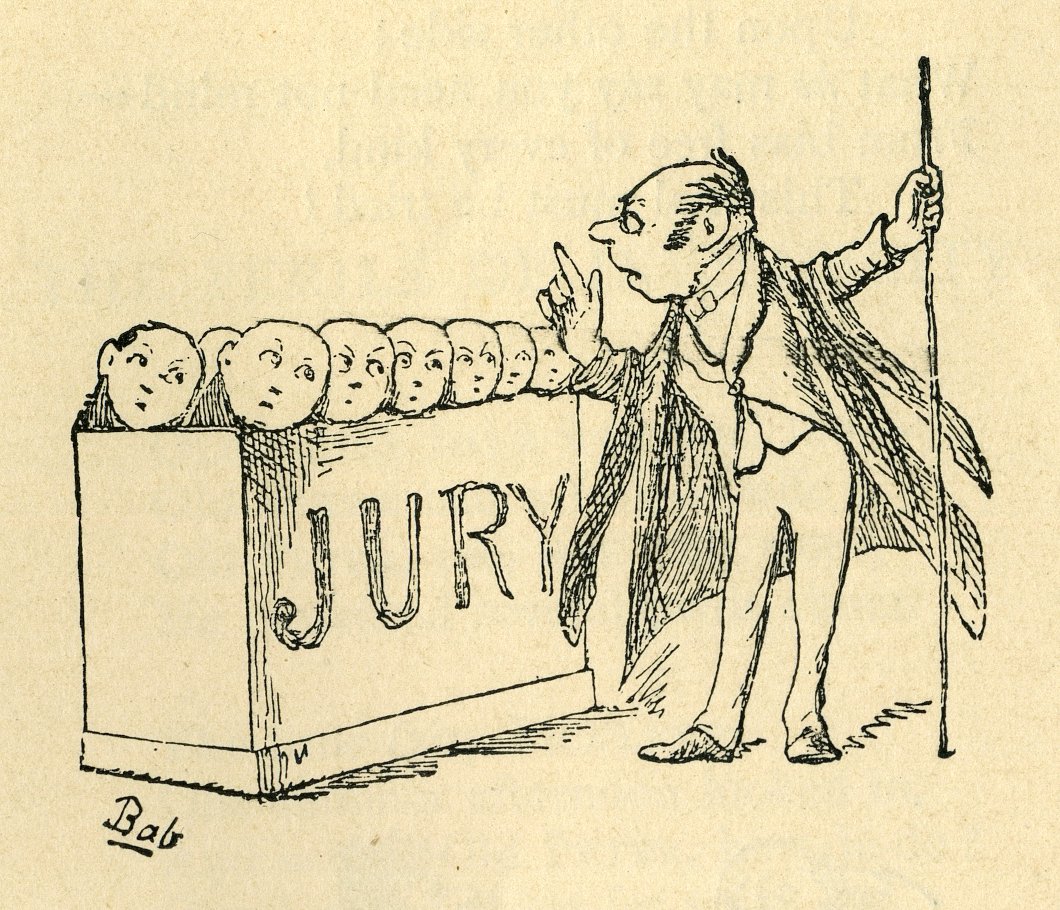
Overview and plot
The story is a light satire of the legal system and social mores. A young man is accused of jilting his betrothed and is brought before a jury trial. Much of the comedy derives from the behavior of the judge, the jurors and witnesses, and from sudden reversals of motive: the judge who is meant to preside over the case develops personal designs on the plaintiff. The plot is deliberately simple and farcical, designed to support quick-paced musical numbers and ensemble comedy rather than sustained dramatic development.
Musical and dramatic features
Unlike most of Gilbert and Sullivan's later full-length Savoy operas, Trial by Jury is through-composed: the entirety of the text is sung rather than spoken. Its music mixes brisk patter-like passages, lyrical ensembles and short chorus numbers. The score calls for a modest orchestra and a small cast, which contributes to its frequent use as a curtain-raiser or as a companion piece to longer works. Gilbert's witty, tightly metered verse and Sullivan's tuneful, characterful scoring combine to produce compact scenes that resolve quickly into the next musical idea.
History, early performances and reception
When first produced at the Royalty Theatre, Trial by Jury shared the bill with Offenbach's La Périchole and a short farce. The new operetta moved among several London theatres in its early years and achieved considerable success: it was staged hundreds of times within the first two years and won both popular and critical approval. The success of this project helped to cement the professional partnership of Gilbert and Sullivan and paved the way for the later Savoy operas.
Performance practice, pairings and legacy
- Short duration and small forces make it easy to stage and to pair with other works; it is often presented alongside longer pieces such as H.M.S. Pinafore.
- The entirely sung format distinguishes it from many other Victorian comic operas that use spoken dialogue.
- It is popular with amateur companies, schools and professional troupes because of its compact cast and immediate comic appeal.
The work is widely recorded and has remained in the repertory for well over a century, often cited as an essential early example of the Gilbert and Sullivan collaboration and an important step in the development of British comic opera. Scholarship and repertory practice note its role in establishing the satirical voice and musical balance that would characterize later, longer Savoy operas.
Notable facts and distinctions
- Trial by Jury is the shortest of the principal Gilbert and Sullivan stage works commonly performed today.
- It was the second of Gilbert and Sullivan's fourteen joint projects and remains the earliest to be actively produced.
- Because of its original pairing on opening night, historical accounts often mention its association with Offenbach and with the Victorian practice of mixed-program evenings; see contemporary references to the Royalty presentations for further context at theatre sources.
For further reading about the collaborators and their body of work, see general resources on Gilbert and Sullivan and on comic opera traditions that influenced their style. Historical production records and modern performance guides often document common staging choices and recommended pairings; some modern producers also discuss revivals and recordings in program notes accessible through performing-company archives and scholarly guides (Offenbach-related materials sometimes discuss the mixed-bill practice), while synopses and cast lists for companion pieces can be found in collections that include H.M.S. Pinafore.
Related articles
Author
AlegsaOnline.com Trial by Jury (one-act operetta by Gilbert and Sullivan) Leandro Alegsa
URL: https://en.alegsaonline.com/art/101436