
Trescault — a small commune in Pas-de-Calais, northern France
Trescault is a small rural commune in the Pas-de-Calais department of northern France. This article summarizes its setting, administration, historical context, economy and notable local features.

Overview
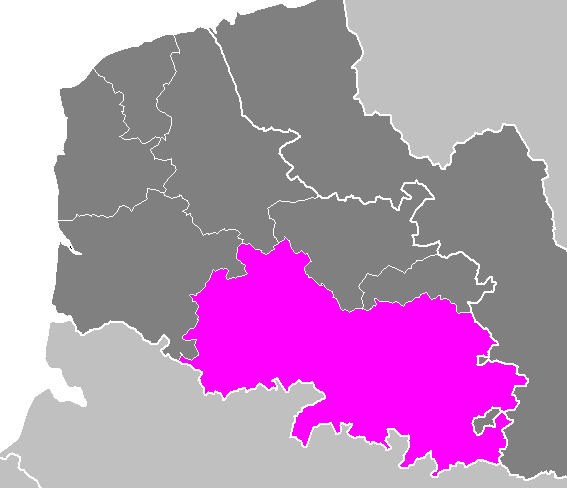
Trescault is a small commune located in the area formerly administered as Nord-Pas-de-Calais and often referenced as part of that historic region (Nord-Pas-de-Calais in older sources). It lies within the Pas-de-Calais department in northern France. Like many French communes, Trescault is governed locally by a mayor and a municipal council and forms the basic unit of local administration.
Image gallery
2 Images
Geography and administration
The commune occupies a modest rural territory characterized by open farmland, hedged fields and small lanes. Administratively it is one of many small settlements that together define the rural fabric of Pas-de-Calais. Since the 2016 territorial reform the wider area is commonly referred to as part of the Hauts-de-France region, though older documents still use the Nord-Pas-de-Calais name.
History
Settlement in this part of northern France stretches back many centuries; villages in the Pas-de-Calais area typically have medieval roots and developed around agriculture and local trade. The wider region was heavily affected by 20th-century conflicts and subsequent reconstruction, and traces of that history are visible in communal architecture and memorials.
Economy and local life
The local economy is largely agricultural, with farms producing cereals, sugar beet, oilseed and livestock typical of the region. Daily life in Trescault centers on the mairie (town hall), a village church or chapel, a communal war memorial and occasional local events. Many residents travel to larger nearby towns for services, markets and employment.
Landmarks and notable facts
- Typical rural architecture and landscape of northern France, with small lanes and field patterns.
- Common local features include a mairie, a church, and memorials or cemeteries reflecting the region's history.
- Access is generally by departmental roads; public transport is limited and regional centers provide wider services.
Trescault exemplifies the many small communes that make up the French countryside: administratively distinct, historically layered, and still closely tied to agriculture and neighboring towns for day-to-day services.
Related articles
Author
AlegsaOnline.com Trescault — a small commune in Pas-de-Calais, northern France Leandro Alegsa
URL: https://en.alegsaonline.com/art/101397