
Trenton, Missouri: County Seat and Regional Hub
Trenton is a small city in Grundy County, Missouri, serving as the county seat and a local center for government, commerce, and community life in north‑central Missouri.
Trenton is a city in north‑central Missouri that serves as the county seat of Grundy County. It functions as a local center for government services, commerce, and community activity for the surrounding rural area. The city combines a compact downtown, municipal institutions, and amenities that support residents and nearby towns.
Image gallery
3 Images

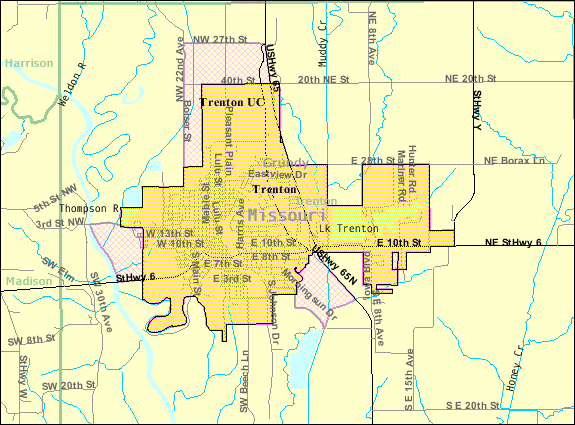
Geography and character
Trenton sits within an agricultural region and is connected to neighboring communities by regional roads. The landscape around the city is typical of northern Missouri: a mix of farmland, small waterways, and modest woodlands. Within the city, public facilities such as the county courthouse, schools, parks and community buildings create a civic core.
History and development
Established in the 19th century, Trenton grew as a county seat and market town for surrounding farms. Over time the community expanded modestly, retaining architectural reminders of its past in older commercial buildings and public structures. Like many small Midwestern cities, Trenton’s development has been shaped by agriculture, local government, and transportation links.
Economy, services and institutions
The local economy is a mix of agriculture‑related business, light industry, retail, health care and public administration. Key services found in town typically include:
- County government and courts
- Primary and secondary schools
- Local clinics, shops and service businesses
- Recreational facilities and parks
Culture, attractions and events
Community life in Trenton often centers on civic events, school activities and seasonal festivals that draw residents from Grundy County and nearby areas. Historic buildings, local museums or historical societies—found in many county seats—help preserve and interpret the town’s past, while parks and small cultural venues provide recreational and social opportunities.
For official information and local resources, see the city and county pages: City of Trenton, Grundy County, and general state or regional resources at Missouri pages. Additional community and historical resources can be found via local organizations and visitor information at regional guides.
Related articles
Author
AlegsaOnline.com Trenton, Missouri: County Seat and Regional Hub Leandro Alegsa
URL: https://en.alegsaonline.com/art/101383