
Begging (Panhandling): Definition, Forms, History and Social Context
Begging, also called panhandling or sponging, is requesting money, food, shelter or other aid in public. This article covers forms, history, social responses, legal distinctions and common practices.
Begging is the act of asking strangers for help such as money, food or shelter when a person cannot readily provide goods or services in exchange. The practice appears in many societies and is known by several informal names, including sponging, spanging (short for "spare-changing") and, in American English, panhandling. Begging can occur in streets, transit hubs, religious precincts and online.
Image gallery
10 Images


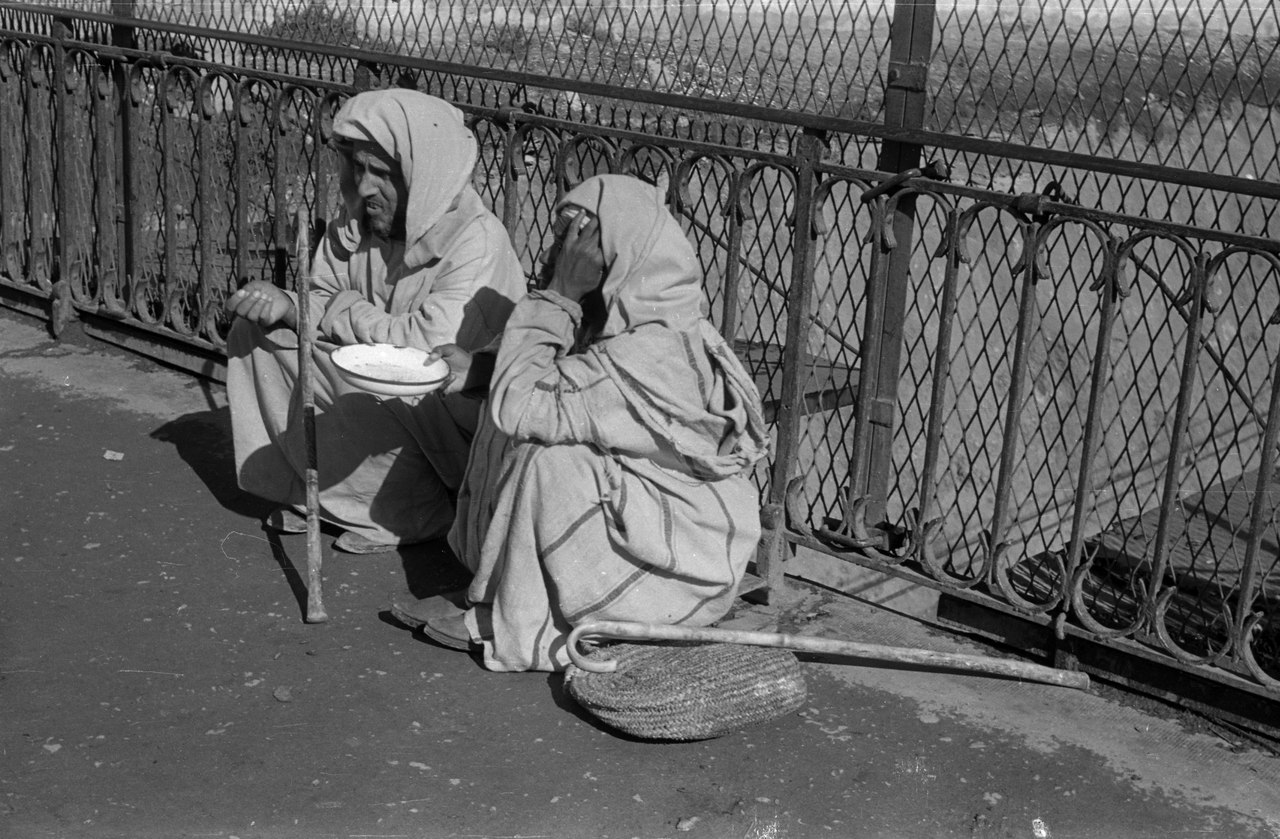

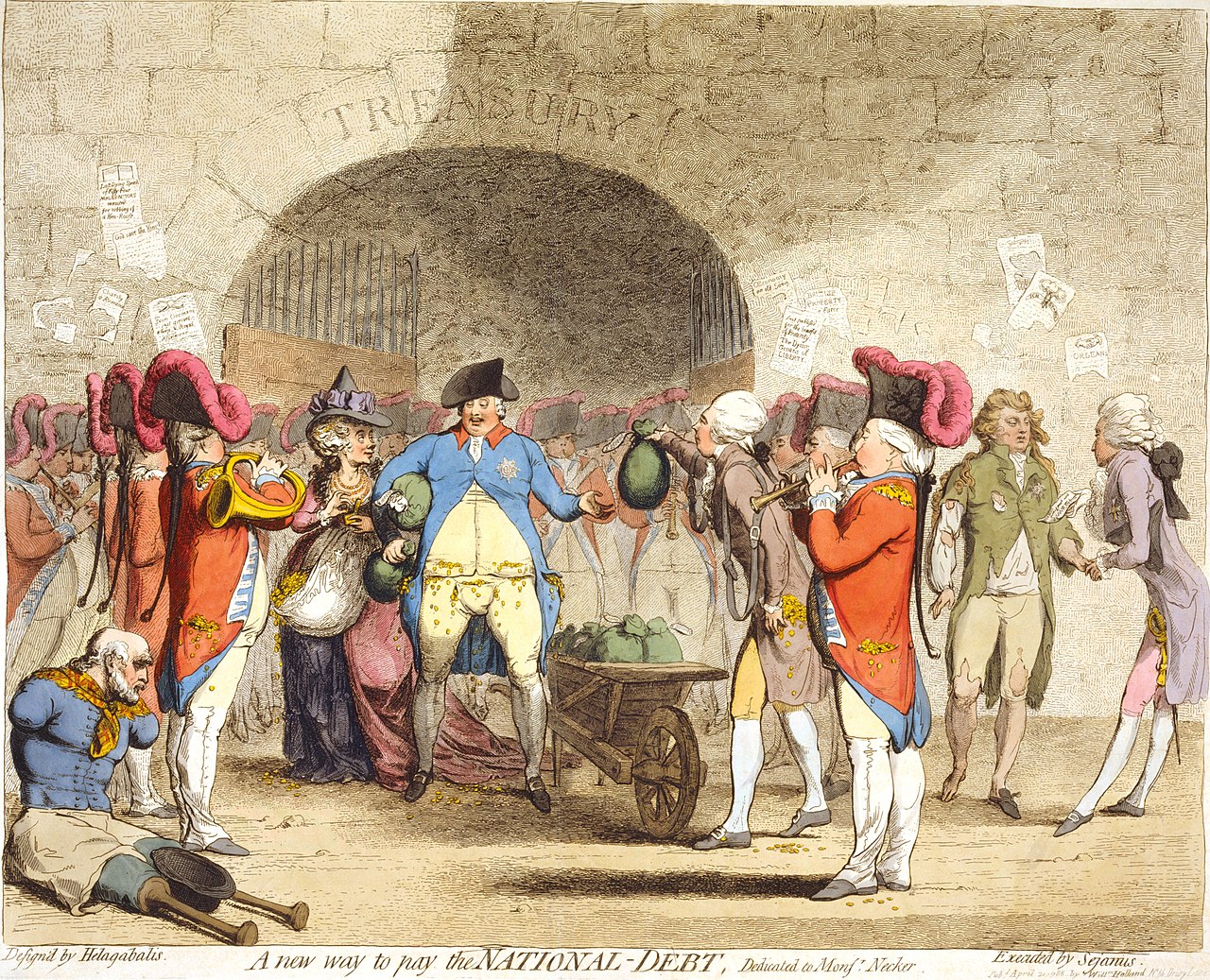

Typical characteristics and visible forms
Street begging takes diverse forms depending on local culture, law and individual circumstances. Common visible features include carrying a container such as a cup, mug or hat; displaying handwritten signs that explain a need; or soliciting directly by speaking to passersby. Begging can be transient or habitual and may be done by individuals, families or groups.
- Passive solicitation: sitting or standing quietly with a container or sign.
- Active solicitation: verbally asking people for assistance or following pedestrians.
- Vehicle stopping: asking drivers at intersections or parking areas.
- Digital begging: requesting help through social media or crowdfunding platforms.
Historical and social context
As a social phenomenon, begging has ancient roots and has been connected to religious charity, social stratification and economic disruption. Religious traditions in many cultures have long prescribed almsgiving as a duty, while urbanization and economic change concentrated people in ways that made public solicitation more visible. Responses to begging have varied widely across time and place, shaped by moral views, public health concerns and policies toward poverty.
Legal responses and distinctions
Authorities and communities handle begging through a mix of social services, regulation and criminal law. Some jurisdictions distinguish between passive and aggressive solicitation, with the latter sometimes restricted by ordinance. Other responses prioritize shelters, outreach programs and harm-reduction measures. Important distinctions to bear in mind include:
- Voluntary vs. coerced begging: some people beg by choice, others are forced or exploited.
- Subsistence begging vs. organized criminal activity: the latter can involve trafficking or rackets.
- Solicitation methods: public space rules often treat stationary and mobile solicitation differently.
Debate continues over whether punitive approaches reduce visible begging or simply displace vulnerability. Advocates for people who beg often emphasize access to housing, medical care and social support as more effective long-term responses than criminalization.
Notable facts include the persistence of begging despite modern welfare systems, and the emergence of online solicitation as an adjunct to street-based practices. For comparative information and local resources, readers may consult government and nonprofit guidance available through links and community services (financial aid, food assistance, housing help) or general overviews of public solicitation practices (panhandling policies).
Author
AlegsaOnline.com Begging (Panhandling): Definition, Forms, History and Social Context Leandro Alegsa
URL: https://en.alegsaonline.com/art/10116
Sources
- pubmedcentral.nih.gov : "Income and spending patterns among panhandlers"
- fraserinstitute.ca : "Begging for Data"
- portlandalliance.com : "Real Change, not Spare Change"
- gwu.edu : "Homelessness Contact Cards"
- news.bbc.co.uk : "Inquiry into 'beggar amputations'"