
Trail, British Columbia
Trail is a small city in the West Kootenay region of British Columbia, Canada, known for its smelting industry, strong hockey tradition, and a notable role in international environmental law.
Overview
Trail is a small urban community and city in the West Kootenay region of British Columbia, Canada. It lies in the Columbia River valley near the Canada–United States border and serves as a regional service centre for nearby towns such as Rossland and Fruitvale. Trail has a long industrial heritage and a population on the order of several thousand residents, with official counts provided periodically by Statistics Canada (census).
Image gallery
9 Images



Geography and climate
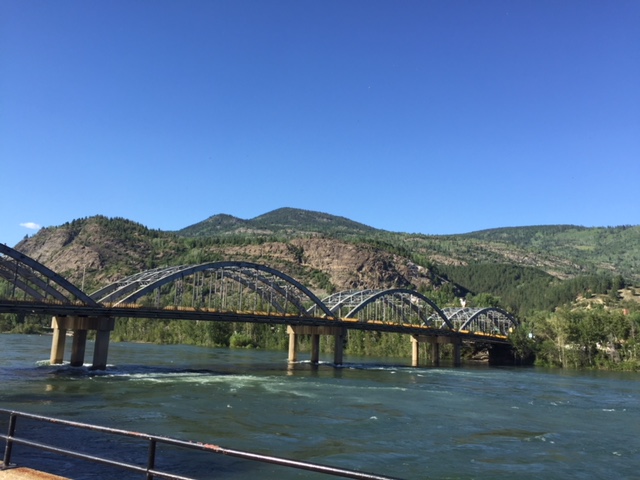
Trail occupies a narrow river valley framed by forested hills and mountains. The Columbia River flows past the city, and the surrounding terrain supports outdoor activities year-round. Its climate is continental with distinct seasons: generally cold, snowy winters and warm, relatively dry summers influenced by the interior mountain setting.
History and economy
The town grew around mining and smelting operations established in the late 19th and early 20th centuries. Those facilities produced metals such as lead, zinc and copper and prompted construction of rail and road links to transport ore and finished products. A large smelter complex has remained central to Trail’s economy, providing employment and shaping the city’s identity while also prompting environmental management and remediation efforts over time.
Culture, sport and recreation
Trail has a vibrant community life with a strong tradition of amateur and junior ice hockey. The local junior team, the Trail Smoke Eaters, competes in regional leagues and is part of a broader hockey heritage that once saw senior teams from Trail represent Canada internationally. Recreational opportunities include hiking, mountain biking, skiing at nearby resorts, river activities and community arts programming.
Notable facts and distinctions
- Industrial legacy: The city is internationally associated with smelter operations that influenced local development and employment.
- Environmental law: The historical cross-border pollution dispute involving emissions from Trail’s smelter led to a landmark arbitration in the 20th century that helped shape international principles on transboundary pollution.
- Sporting heritage: Trail’s hockey clubs have an outsized reputation relative to the city’s size, contributing to local pride and identity.
Government and demographics
Trail is incorporated and governed by a mayor and council responsible for municipal services, land use and local economic initiatives. Demographic details and official population figures are published by the national census at regular intervals; these sources provide up-to-date counts and socioeconomic profiles for the city and surrounding district.
For more information, municipal, provincial and national resources can be consulted through official portals and regional tourism pages.
Related articles
Author
AlegsaOnline.com Trail, British Columbia Leandro Alegsa
URL: https://en.alegsaonline.com/art/101046