
Tove Jansson — Finnish-Swedish artist and creator of the Moomins
Tove Jansson (1914–2001) was a Finland-Swedish painter, illustrator, novelist and cartoonist best known for creating the Moomin books and comic strip; awarded the Hans Christian Andersen Medal in 1966.

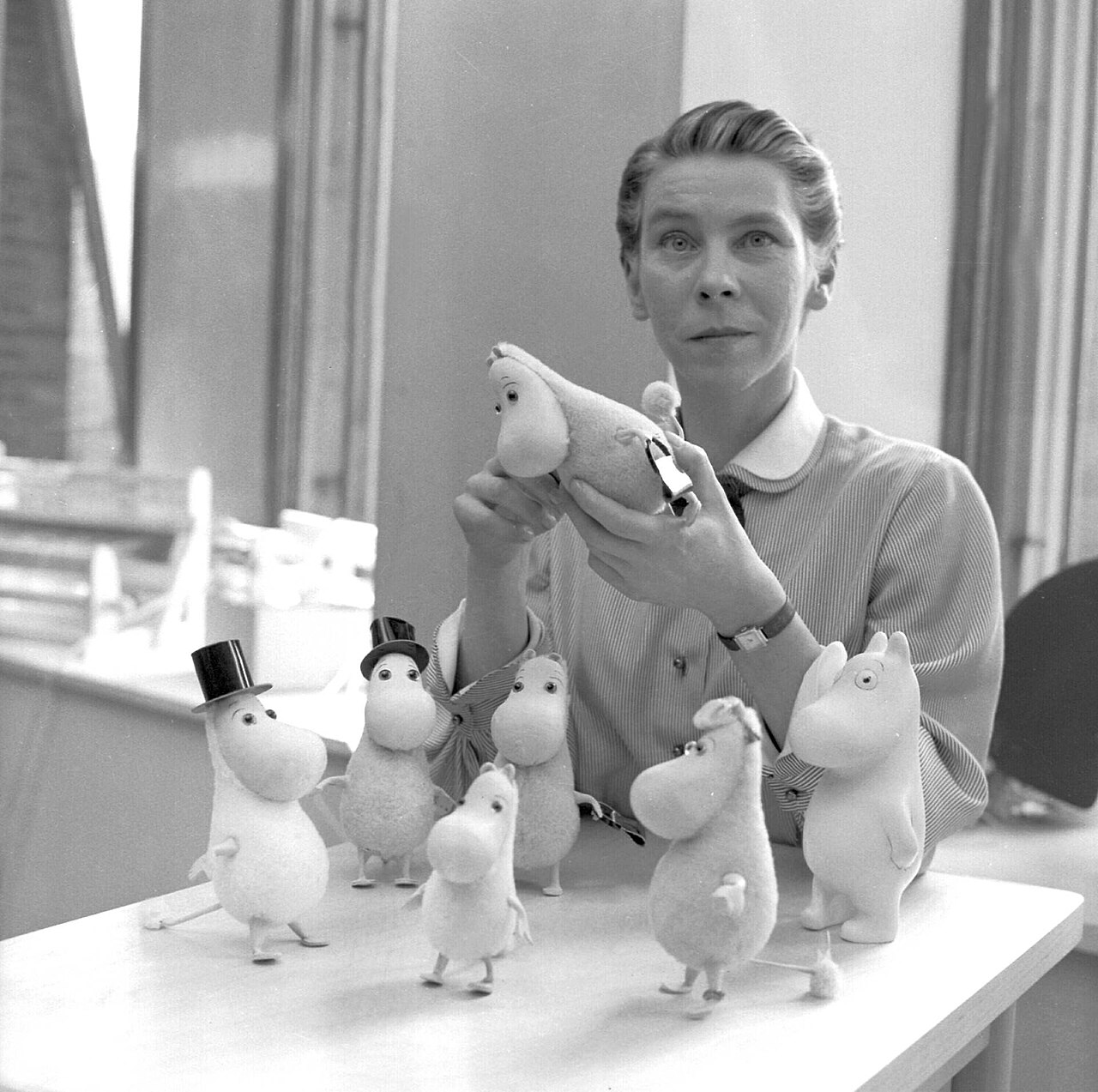
Tove Jansson (9 August 1914 – 27 June 2001) was a Finland-Swedish writer and visual artist whose imaginative work reached international audiences. Trained as a painter and active as an illustrator, novelist and cartoonist, she achieved lasting fame for the Moomin series — a family of whimsical, hippopotamus-like characters who live in a world that blends domestic warmth with mythic strangeness. For her contribution to children's literature she received the prestigious Hans Christian Andersen Medal in 1966.
Image gallery
10 Images



Life and career
Jansson was born into an artistic family and worked across several media for most of her life. She illustrated books, painted in oils and watercolour, and produced cartoons and comic strips. Writing primarily in Swedish, she combined a careful pictorial sensibility with a concise literary voice. Over decades she moved between Helsinki and the islands of the Gulf of Finland, where the landscapes and seasons influenced her settings and mood. In later life she continued to paint and write, preserving a reputation both in Finland and abroad.
Major works and forms
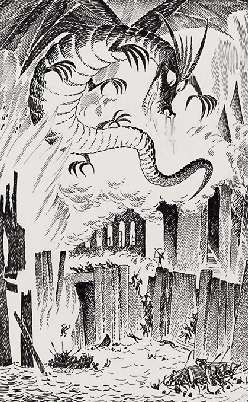
Jansson is best known for the Moomin stories, which began as picture books and expanded into novels, picture books for younger children, and a syndicated comic strip. The early Moomin books include The Moomins and the Great Flood (1945), Comet in Moominland (1946) and Finn Family Moomintroll (1948). These works mix gentle domestic scenes with high-stakes adventure, and often touch on themes of belonging, courage and the relationship between humanity and nature.
- Children's books: A sequence of novels and picture books that follow the Moomin family and their friends.
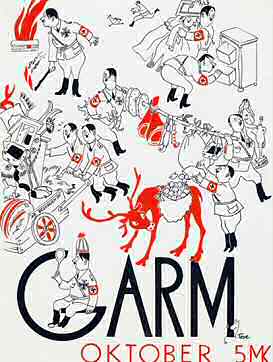
- Comic strip: Jansson adapted the Moomins into a popular syndicated strip that brought the characters to newspapers and a wider adult readership over the mid-20th century — an example of her ability to shape stories across formats. Read more on the comic strip
- Art and illustration: Her paintings and independent illustrations demonstrate an interest in colour, pattern and temperament as well as narrative elements.
Themes, style and audience
Jansson's stories appeal to both children and adults because they operate on several levels. The surface narratives are accessible and often gently comic, while underlying themes explore solitude, tolerance, curiosity and resilience in the face of change. Her visual style is distinctive for its clear line work, careful composition and a palette that can move from bright and playful to muted and contemplative. These qualities helped the Moomins adapt well to other media, including radio, television and theatre.
Legacy and adaptations
The Moomins have become cultural icons in Finland and internationally. They appear in translations, animated series, stage productions and museums. Jansson's work influenced generations of readers and creators, contributing to conversations about childhood, creative freedom and the role of nature in moral imagination. Institutions and exhibitions in Helsinki and other cities preserve her manuscripts, illustrations and paintings, and her influence continues to shape children's literature and comics.
Notable facts
Besides the Hans Christian Andersen Medal, Jansson's career is often cited for its breadth: she moved freely between literary and visual arts, wrote for both young and mature audiences, and sustained a long collaboration with translators and publishers that introduced her work to many languages. She died in Helsinki, where her artistic legacy remains visible in museums and cultural programmes. More on Jansson's life in Helsinki
Selected works (examples):
- The Moomins and the Great Flood (first Moomin book)
- Comet in Moominland
- Finn Family Moomintroll
Jansson's combination of visual craft and humanistic storytelling ensures that her books remain read and reinterpreted by new generations, while her paintings and drawings continue to be shown in exhibitions that emphasize the interplay of narrative and image in her œuvre.
Related articles
Author
AlegsaOnline.com Tove Jansson — Finnish-Swedish artist and creator of the Moomins Leandro Alegsa
URL: https://en.alegsaonline.com/art/100908