
Toronto, Ohio — Riverfront city in Jefferson County
Toronto, Ohio is a small riverfront city in eastern Jefferson County. Learn about its geography, history, economy, and how it differs from the Canadian Toronto.
Overview
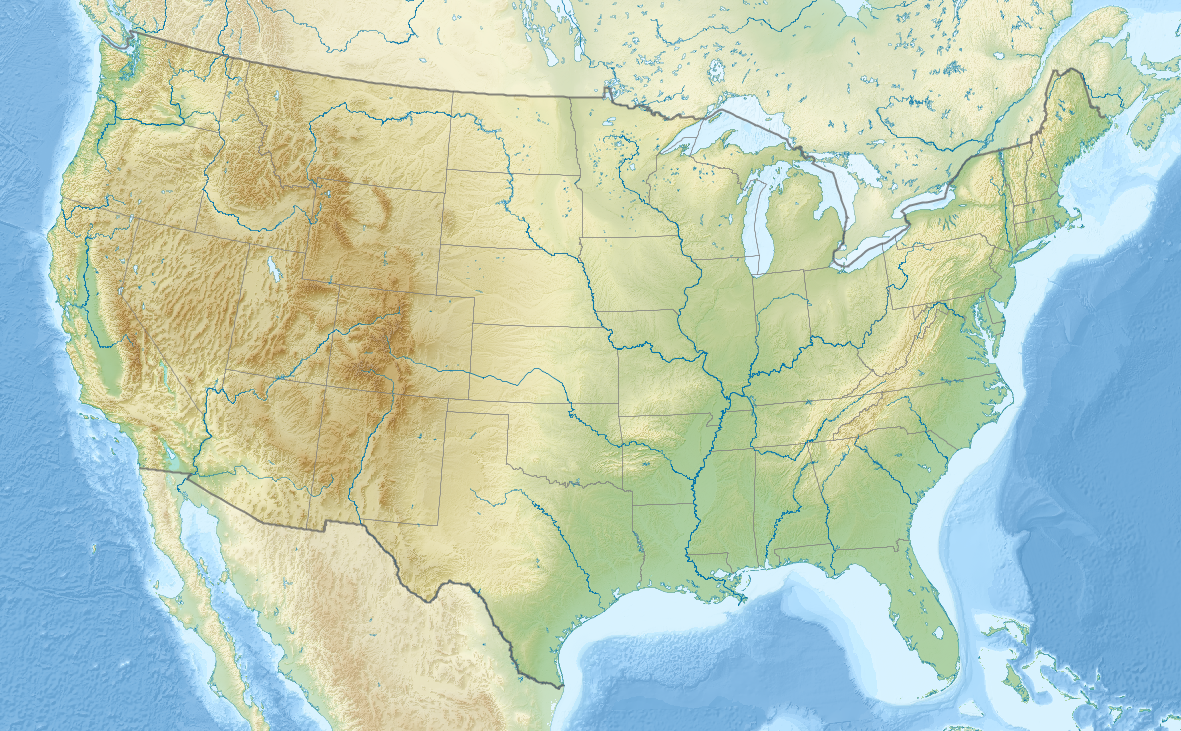
Toronto is the second-largest city in Jefferson County, located in Ohio and part of the broader region of the United States. It sits in eastern Ohio along the Ohio River and functions as a small regional center for nearby towns and rural areas.
Image gallery
4 Images


Geography and setting
The city occupies riverfront land on the western bank of the Ohio River within the Appalachian Plateau. Its position made it a natural spot for river trade, transportation, and industry. The surrounding landscape mixes residential neighborhoods, commercial corridors and pockets of wooded hills that reflect the broader eastern Ohio terrain.
History and development
Toronto grew in the 19th century as settlers and merchants took advantage of river access. Its name echoes the larger Canadian city but refers to this distinct Ohio community. Over time the local economy shifted from river-oriented commerce and resource-related manufacturing toward a more diversified mix of small manufacturing, services and retail.
Economy, institutions and culture
Today the city supports local businesses, schools, community organizations and recreational facilities. Public parks and riverfront areas provide outdoor opportunities, while civic events and local festivals bring residents together. Historic buildings and traditional commercial streetscape are part of the city's character.
Transportation and notable facts
- Accessible by regional roads and nearby highways connecting to larger Ohio and West Virginia towns.
- Historically linked to river and rail networks that served the Appalachian industrial economy.
- Often contrasted with Toronto, Ontario: the two share a name but differ greatly in size, economy and regional context.
For further details on government, services and current events, consult local municipal sources and regional planning organizations that cover Jefferson County and the Ohio River corridor.
Related articles
Author
AlegsaOnline.com Toronto, Ohio — Riverfront city in Jefferson County Leandro Alegsa
URL: https://en.alegsaonline.com/art/100718