
Top of the Pops
Top of the Pops was a long-running British weekly pop chart television programme that showcased contemporary popular music performances and shaped UK music culture from the 1960s onward.
Overview
Top of the Pops (often abbreviated TOTP) was a British weekly television programme devoted to showcasing the most popular songs in the UK singles charts. First broadcast on New Year's Day 1964, it became a regular fixture on the national broadcaster BBC1 and presented a mixture of live and pre-recorded performances by charting artists. The programme combined studio performances, a rundown of the current chart, and short presenter links, creating a compact showcase for contemporary pop, rock and other mainstream genres.
Image gallery
10 Images


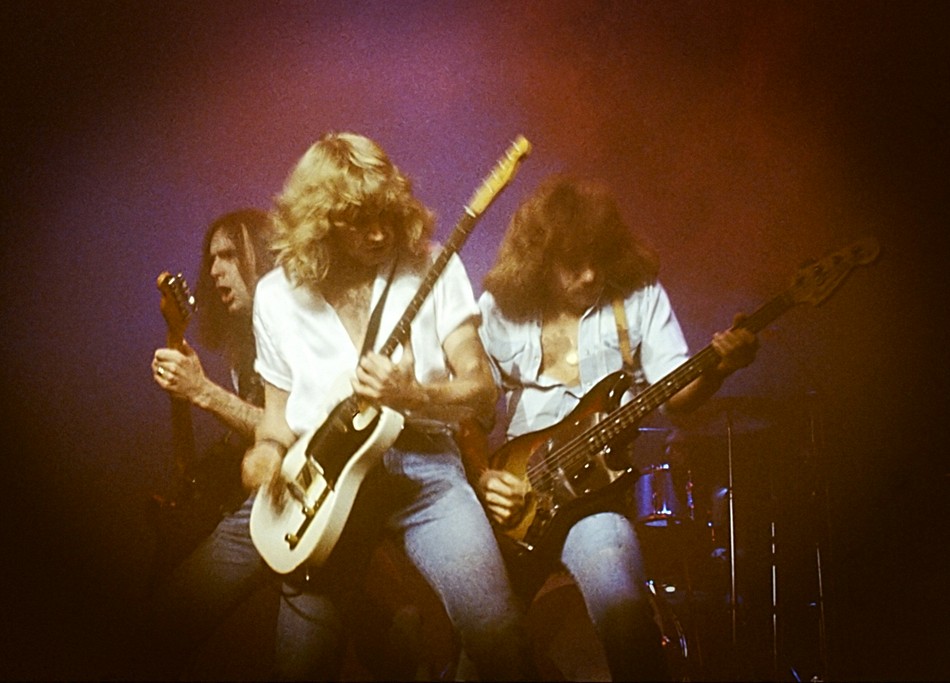


Format and presentation
The programme's basic format paired top-charting singles with a rotating team of presenters and occasional in-studio dance routines. Many acts performed to backing tracks or mimed to their single; this was common television practice for pop shows of the time. Visual elements — camera work, stage sets and the occasional dance troupe — helped present songs for a national audience who otherwise relied on radio and record stores to discover new music. The show is often remembered for its presenters and production style, which reflected changing broadcast fashions across the decades.
History and broadcasts
Top of the Pops began in 1964 and ran as a weekly series through much of the rest of the 20th century. It was fronted by a wide variety of hosts during its run, from early compères to later DJs and television personalities. The first broadcast was introduced by Sir Jimmy Savile, who was one of the better-known faces associated with the programme; Savile's long public profile was later reassessed after allegations of abuse emerged following his death, which affected how broadcasters and historians view that period of the show's history. Over time, as music consumption shifted toward music videos, digital media and changing television schedules, regular viewership declined and the weekly edition ended in 2006.
Variants and subsequent editions
Two further strands continued the TOTP legacy. One was the archival strand commonly known as TOTP2, which repackaged historic performances, interviews and clips drawn from the programme's vaults spanning several decades. Another continuity has been occasional special editions: after the weekly series finished, the brand returned for annual broadcasts, often a festive programme broadcast on 25 December; a new festive episode is sometimes still shown, and a recent presenter change included a period when Steve Wright fronted the programme and was later replaced by Mark Radcliffe in related editions. A contemporary new episode or special may be advertised with scheduling links such as upcoming episodes.
Cultural impact and legacy
Top of the Pops played an important role in British popular culture. It was a major platform for new releases to reach a national audience and helped establish the concept of televised chart shows. Memorable performances and fashion choices from the programme often influenced youth culture and record sales; many artists credited their appearance on the show with raising their profile. The programme also served as a living archive of performance styles, production values and shifting tastes in popular music.
Notable features and distinctions
- Regular countdown: the programme typically emphasized the highest-placing singles in the official charts, making the show a weekly musical reference point.
- Presenter variety: a changing roster of hosts over the decades linked the show to contemporary radio and TV personalities, helping to keep it culturally relevant.
- Archive value: TOTP's recorded performances provide historians and fans with a visual record of British popular music across eras.
- Continued presence: despite the end of the regular weekly format, the Top of the Pops name survives through archival programmes, specials and retrospective strands, and it is frequently cited in accounts of British music history and broadcasting developments.
For more detailed episode guides, presenter lists and curated archives, consult broadcaster summaries and music-archive resources which document the programme's long-running influence and catalogue of performances; see related resources such as programme guides and broadcaster pages for schedules and historical notes, and check fan or institutional pages for clip compilations and research material referenced at performance collections and presenter biographies.
Related articles
Author
AlegsaOnline.com Top of the Pops Leandro Alegsa
URL: https://en.alegsaonline.com/art/100639
Sources
- lostshows.com : "TOP OF THE POPS"