
Total Drama — Canadian animated parody of reality-competition shows
Total Drama is a Canadian animated series that satirizes reality-competition television. It debuted in the mid-2000s and produced multiple seasons and spin-offs with an ensemble cast and elimination format.
Overview
Total Drama is an animated television series created in Canada as a parody of reality-competition programs. The show follows an ensemble of teenage characters who compete in exaggerated challenges, form alliances, and face eliminations until a single winner remains. Its tone mixes broad comedy, character-driven drama, and satirical takes on reality-TV conventions.
Image gallery
5 Images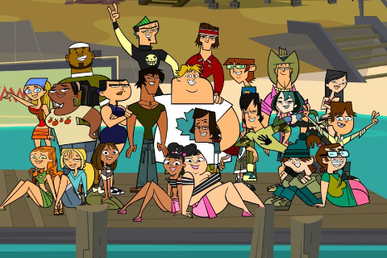


Format and recurring elements
Each season begins with a group of contestants gathered at a distinct location or theme park; they take part in physical and social contests staged for comic effect. A charismatic, often unscrupulous host presides over challenges and eliminations, and a sidekick or assistant handles logistics. Episodes commonly end with a vote, a contest result, or a dramatic departure.
Characters and cast
The series features a rotating ensemble of archetypal and original teenage personalities—ranging from the scheming strategist to the heartwarming underdog. Two of the best-known figures are the host and his imposing assistant. Voice actors brought consistent performances that helped build recognizable personalities across seasons.
Production and history
Developed in the mid-2000s by creators and produced by a Canadian studio, the show first aired in Canada and was subsequently picked up by international broadcasters, increasing its audience in the late 2000s and early 2010s. Over several years it expanded into multiple seasons and related series, adapting its settings and rules to keep the format fresh.
Seasons, spin-offs and examples
- Early seasons established the island-based competition and reality-show satire.
- Later installments experimented with movie-set, international, and all-star themes.
- At least one televised spin-off reworked the premise into a team-based race format.
Reception and legacy
Total Drama attracted a devoted international fanbase, notable for online discussion and fan art. Critics and viewers generally praised the series for its clever lampooning of reality-TV tropes, memorable characters, and willingness to vary its format. The show influenced later animated series that blend serialized competition with comedic character arcs.
Notable facts and distinctions
While framed as a children’s or family program, the show’s humor and references often aimed at older viewers familiar with reality television. Its long-running ensemble structure, recurring host figure, and genre-aware satire distinguish it from more straightforward animated comedies.
Related articles
Author
AlegsaOnline.com Total Drama — Canadian animated parody of reality-competition shows Leandro Alegsa
URL: https://en.alegsaonline.com/art/100821
Sources
- amazon.com : "Amazon.com: Total Drama Action Season 1: Amazon Video"
- elliottanimation.com : "Elliott Animation – Productions – Total Drama Island"
- totaldramaisland.blogspot.com : "Total Drama Island: GOPHERS vs. BASS" · web.archive.org
- freshtvinc.com : freshtvinc.com
- kidscreen.com : "CN, Teletoon open up Total Drama Daycare"
- kidscreen.com : "Corus unveils 2018/19 kids programming slate"