
Archive: collections of records, preservation, and access
An archive is an organized collection of unique records preserved for long-term use. This article explains what archives contain, how they differ from libraries, their history, uses, and the role of archivists.
An archive is an organized repository that preserves records created or received by individuals, organizations, or governments in the course of their activities. Unlike published works, archival materials are usually unique and retained because of their enduring informational, evidential, or historical value. Archives may hold items in many formats, including paper, photographs, audiovisual items, born-digital files and other media.
Image gallery
7 Images


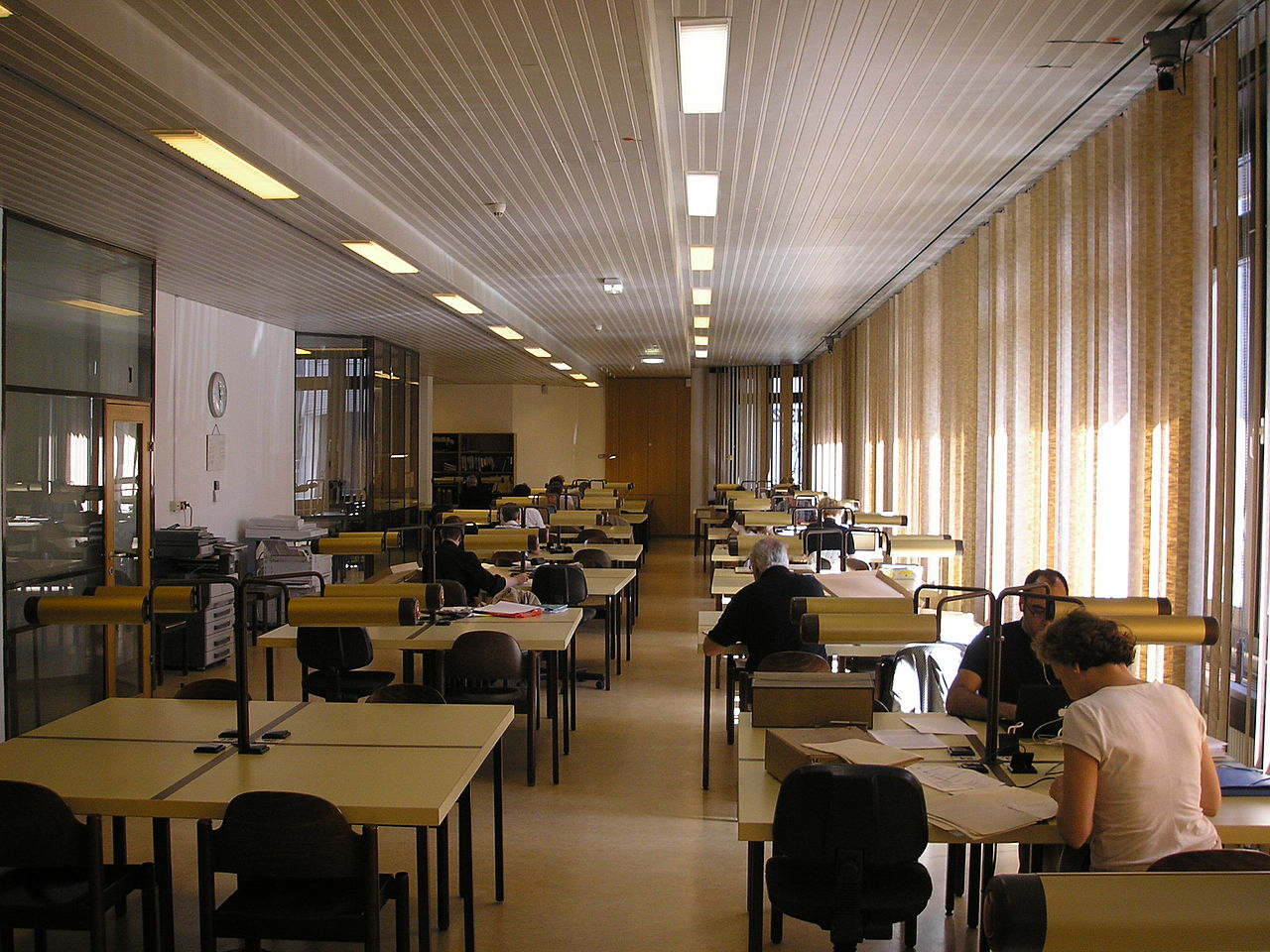


Characteristics and common components
Archives are selected for long-term or permanent preservation and are described to enable discovery and use. Common components found in archives include:
- Original correspondence, memoranda and reports
- Organizational records from institutions such as corporations and government bodies
- Personal papers and diaries
- Photographs, maps and architectural plans
- Digital records, databases and email collections
Materials in an archive are normally unpublished, distinguishing them from books and journals you would typically find in a book-centric collection. Archival items are often unique or one-of-a-kind, so handling, storage and access are managed to preserve their integrity.
History and development
The practice of keeping records has ancient roots in administrative centers, religious institutions and royal courts, where documents were kept as evidence of transactions and decisions. Over time, specialized institutions and professional standards developed to manage, preserve and make accessible historical records. Modern archival practice has expanded to include digital preservation, with institutions creating policies and infrastructure to cope with born-digital materials and metadata.
Uses, importance and examples
Archives serve multiple public and private purposes: they preserve legal and administrative evidence, support historical and genealogical research, document cultural heritage, and provide accountability and transparency for public institutions. Examples include municipal archives that keep city records, corporate archives that document company history, and university archives that preserve institutional memory. Many archives also provide outreach, exhibitions and digitization projects to broaden access.
Distinctive features and comparisons
Archives differ from libraries in several key ways: archives usually maintain unique primary-source materials and organize them according to provenance and original order, while libraries collect published works and organize them by subject or author. Archives emphasize context and authenticity; their descriptive practices aim to preserve relationships between records and their creators. For further comparison with libraries see library services and collections.
Archivists and archival science
People who work in archives are typically trained archivists who arrange, describe, preserve and facilitate access to collections. The field that studies their methods is known as archival science, which addresses appraisal, conservation, description, access policies and technological challenges such as digital preservation. Professional archivists often balance preservation needs with researchers' access requirements, applying standards and ethical practices in their work; more on the profession can be found at resources for archivists.
Archives remain essential to understanding institutional memory and cultural history. As formats and practices evolve, archives continue to adapt, combining traditional conservation with digital strategies to keep records discoverable for future generations.
Questions and answers
Q: What is an archive?
A: An archive is a collection of records that have been selected for permanent or long-term preservation.
Q: What is the difference between an archive and a library?
A: Archives hold records which are unique and are the by-products of activities, while libraries hold specifically authored information products.
Q: What is the function of an archivist?
A: An archivist is a person who works in archives and is responsible for organizing, preserving, and providing access to information and materials in archives.
Q: What are the sources of archives?
A: Archives are made up of records which have been created during the course of an individual or organization's life, and can also be generated by large organizations such as corporations and governments.
Q: What is the correct terminology for a collection of records?
A: The correct terminology for a collection of records is 'archives'.
Q: What is archival science?
A: Archival science is the study and practice of organizing, preserving, and providing access to information and materials in archives.
Q: Are records in archives always published?
A: No, records in archives are normally unpublished, unlike books and other publications.
Author
AlegsaOnline.com Archive: collections of records, preservation, and access Leandro Alegsa
URL: https://en.alegsaonline.com/art/5322
Sources
- usd.edu : "Glossary of Library and Internet Terms"
- usd.edu : University of South Dakota Library
- archivists.org : "A Glossary of Archival and Records Terminology"
- archivists.org : Society of American Archivists
- en.wiktionary.org : "definition of archive"