
Tlaxcala (Mexican state)
Tlaxcala is the smallest state in Mexico, located in central Mexico with roughly one million residents. Known for its pre-Hispanic history, colonial towns, crafts and archaeological sites.
Tlaxcala is the smallest of Mexico's 32 federative entities and lies in the central highlands. It has a population of around one million people and a compact territory that combines high plateaus, small mountain ranges and fertile valleys. Its capital is the city of Tlaxcala (officially Tlaxcala de Xicohténcatl), a colonial-era center with civic buildings, plazas and museums.
Image gallery
10 Images



Geography and people
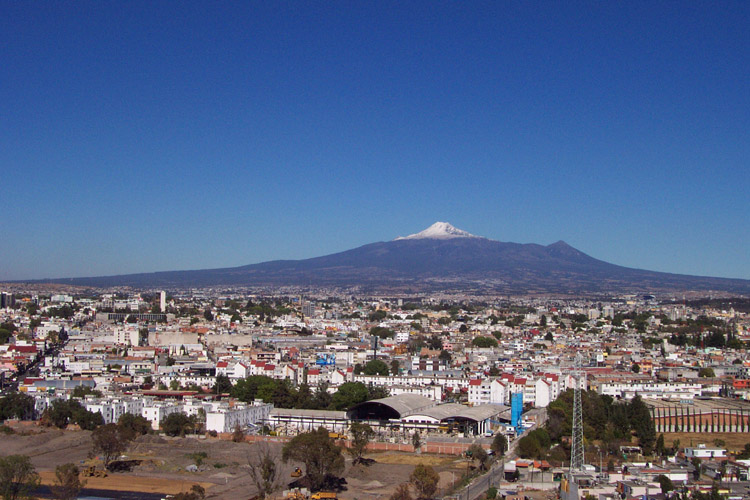
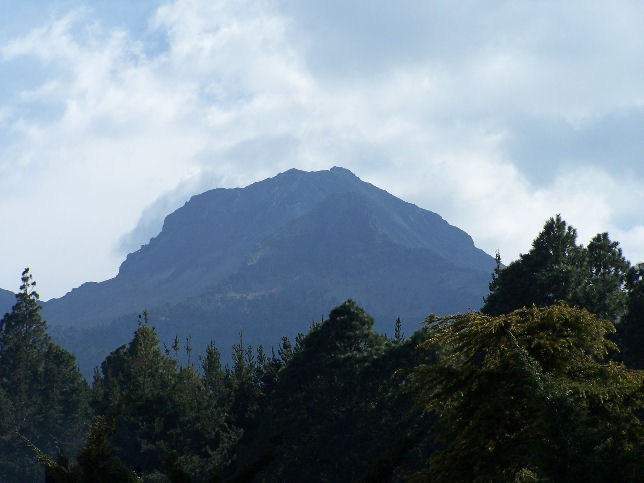
Tlaxcala occupies a central position in Mexico and sits east of the State of Mexico and west of Puebla. The state is located on the Trans-Mexican Volcanic Belt at a relatively high elevation, which shapes its temperate climate and agricultural patterns. The population is largely mestizo and Nahua-speaking communities remain important to local identity; residents are sometimes called Tlaxcaltecas.
History and cultural heritage
Tlaxcala has deep pre-Hispanic roots: before the Spanish conquest it was home to the Tlaxcalan confederation, a powerful indigenous polity that famously resisted and later allied with Hernán Cortés during the conquest of the Aztec Triple Alliance. During the colonial era Tlaxcala retained distinctive privileges and developed a blend of indigenous and Spanish institutions and religious life that survives in traditional festivals, crafts and town layouts.
Economy, education and society
The state's economy mixes agriculture, light manufacturing, commerce and services. Small-scale farming, textiles, pottery and local food production are common in rural municipalities, while industrial parks and maquiladoras employ many workers nearer to urban centers. Tlaxcala is also home to higher education institutions, cultural centers and regional museums that document its archeological and colonial past.
Sites, festivals and notable facts
- Archaeological sites and ceremonial centers such as Cacaxtla and Xochitécatl attract visitors interested in pre-Hispanic murals and architecture.
- Colonial towns like the capital and nearby villages preserve churches, plazas and annual religious fairs.
- Traditional crafts include weaving, pottery and regional cuisine that reflect Nahua and Spanish influences.
Tlaxcala's compact size gives it high population density and easy access to neighboring states, making it a crossroads of cultural traditions. For basic official information and travel guidance see Tlaxcala official resources.
Related articles
Author
AlegsaOnline.com Tlaxcala (Mexican state) Leandro Alegsa
URL: https://en.alegsaonline.com/art/100166