
Salem Witch Trials (1692–1693): events, courts, and lasting impact
Overview of the 1692–1693 Salem witch trials in colonial Massachusetts: causes, courtroom procedures, convictions and executions, aftermath, and cultural legacy.
The Salem witch trials were a concentrated series of prosecutions, accusations and examinations for alleged witchcraft that occurred in several communities of colonial Massachusetts between early 1692 and mid-1693. They combined local fears, religious beliefs, and emerging legal procedures into a crisis that produced arrests, trials and executions. The events are best understood as both a legal episode — involving magistrates, county courts and extraordinary commissions — and a social phenomenon rooted in community tensions, contested authority and the anxieties of a frontier society.
Image gallery
10 Images
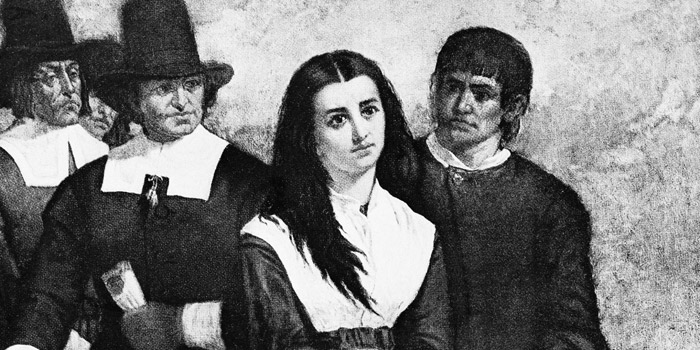

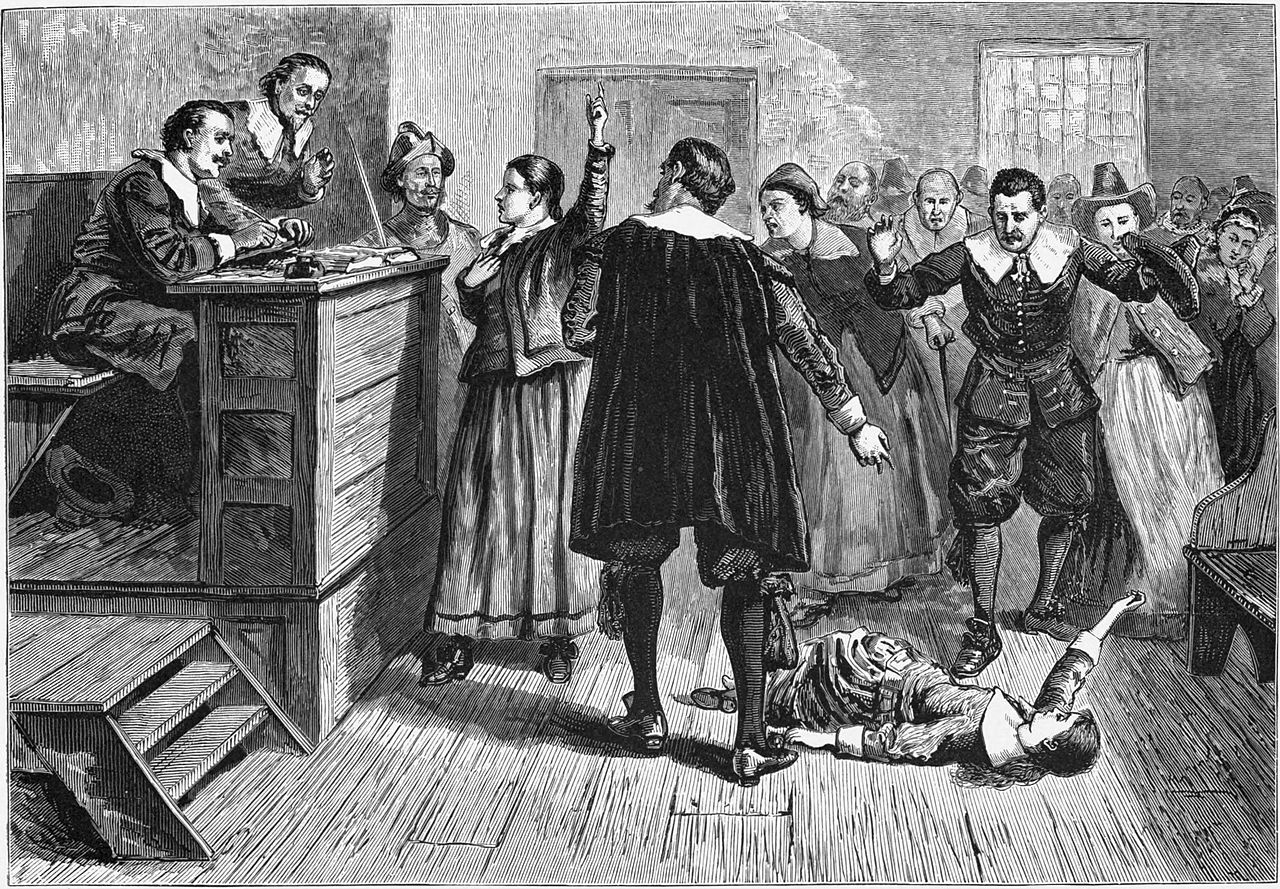


Origins and social context
The first visible signs of trouble appeared in Salem Village when a small group of young women and girls began to exhibit unusual behavior and complained of being tormented by invisible forces. The most widely cited early accusers were Betty Parris and Abigail Williams. Medical and clerical accounts from the period interpreted such symptoms as evidence of demonic affliction, and these interpretations intersected with longstanding Puritan concerns about sin, the devil and communal order. Social strain — including disputes over property, lingering bitter quarrels between families, and the pressures of recent frontier warfare — created fertile ground for accusations to spread beyond a few households into neighboring towns.
How accusations moved into courts
Accused individuals were initially examined by local officials and ministers; these preliminary hearings before local magistrates often led to formal indictments and transfer to higher courts. The legal machinery included county courts and special commissions set up to hear the cases. Some of the accused were tried at county venues — referenced in surviving county court records and trial transcripts — while the most notorious sessions were conducted under the temporary Court of Oyer and Terminer. Trials drew evidence of many kinds: witness testimony, confessions, accusations of spectral visitation, and physical demonstrations of fits by the accusers. The acceptance of so-called "spectral evidence" — testimony that the accused's spirit or shape appeared to the afflicted — became a central and controversial feature of the proceedings.
Geographic spread and institutions
The prosecutions touched multiple counties, with defendants brought into courts in towns that functioned as legal centers. The principal counties involved were Essex County, Suffolk County and Middlesex County, reflecting how accusations moved through the region's colonial counties. Local jails filled with those arrested; surviving jail logs and notes about the arrests made reveal the strain on institutions. In 1692 a series of trials before the special commission resulted in many convictions, while later sessions of the colony's regular courts produced fewer guilty verdicts as attitudes toward evidentiary standards shifted.
Outcomes, numbers and notable cases
More than a hundred people were formally accused and arrested, and some historians put the number of accused (including informally charged) higher. Contemporary court returns show that twenty-nine people were convicted of witchcraft; of those, nineteen — mostly women — were executed. One accused man, Giles Corey, refused to plead and was killed by judicial pressing. At least five other defendants died while imprisoned awaiting trial or sentence. The stark human toll and the visible spectacle of executions at a site later associated with Gallows Hill fueled public debate and later regret.
Aftermath, reform and memory
Within a year the colony's leaders began to question the legitimacy of some evidence used during the trials. The Court of Oyer and Terminer was dissolved, and later courts were more reluctant to accept spectral testimony, which helped reduce convictions. Over the following decades the government and church leaders expressed regret; some families received compensation for lost property and reputation. The episode left a strong imprint on legal thinking about due process, the reliability of accusers and the dangers of moral panic. The trials have since been the subject of historical inquiry, literature and drama, most famously Arthur Miller's play The Crucible, which used the events as an allegory for later political persecutions.
- Legal legacy: The affair contributed to skepticism about intangible evidence and encouraged reforms in colonial and later American legal practices (see contemporary convictions and their review).
- Geographical reach: Accused people came from towns across the region; the records cite jurisdictions in multiple counties such as those listed above.
- Later echoes: Few isolated prosecutions appeared elsewhere in New England; a much later trial in Ipswich is sometimes called the "second" Salem episode but differs in context and date (Ipswich trial).
The Salem witch trials continue to be studied as a watershed moment where religion, law and community intersected with tragic consequences. For primary evidence researchers consult preserved documents and court papers that illuminate how accusations were made, how witnesses were examined and how legal practices evolved in response to the crisis; many such collections are summarized in modern scholarship and archival guides (witchcraft accusations, jail logs, trial transcripts). To follow the institutional story, readers may examine records of magistrates and courts, including the minutes from local officials and references to cases handled by surrounding county authorities (local magistrates, county court). Additional regional references and surviving documentation show how the crisis involved civic, religious and legal actors across the affected counties (Essex County, Suffolk County, Middlesex County, and broader colonial counties), and how the episode remains a cautionary example in discussions of justice and mass accusation (arrests made, convictions, Court of Oyer and Terminer, and retrospective commentary on the colonial Massachusetts government response).
Questions and answers
Q: What were the Salem Witch Trials?
A: The Salem Witch Trials were a series of county court trials in colonial Massachusetts between February 1692 and May 1693 which accused people of being witches.
Q: How many people were arrested during the trials?
A: During the Trials, over 150 people accused of witchcraft were arrested and put in jail. Even more people were accused, but never formally charged by the authorities.
Q: Who began twisting themselves into strange shapes and saying words that made no sense?
A: Two young girls in Salem Village, Betty Parris and Abigail Williams, began twisting themselves into strange shapes and saying words that made no sense.
Q: Where did the witch trials take place?
A: The witch trials took place in Essex, Suffolk and Middlesex Counties of colonial Massachusetts.
Q: How many people were convicted of witchcraft during the trial?
A: Twenty-nine people were convicted (or found guilty) of witchcraft during the trial.
Q: What happened to Giles Corey who refused to enter a plea of guilty or not guilty?
A: Authorities tortured him to try to force him to confess or enter a plea. Corey was crushed to death under heavy stones.
Q: When was there another witch trial held after the Salem Witch Trials ?
A: A much later Ipswich Witch Trial was held in 1878, which was called the second Salem witch trial.
Related articles
Author
AlegsaOnline.com Salem Witch Trials (1692–1693): events, courts, and lasting impact Leandro Alegsa
URL: https://en.alegsaonline.com/art/86440
Sources
- eyewitnesstohistory.com : "The Salem Witch Trials, 1692"
- salemwitchmuseum.com : "Salem Witch Museum"
- kids.nationalgeographic.com : "The Salem Witch Trials"