
Tiruvannamalai district, Tamil Nadu
District in northern Tamil Nadu centered on the pilgrimage town of Tiruvannamalai; population 2,464,875 (2011) and a sex ratio of 994 females per 1,000 males.
Overview
Tiruvannamalai district is an administrative district in the Indian state of Tamil Nadu with its headquarters at the town of Tiruvannamalai. The district combines agricultural plains with low rocky hills and is best known for the sacred Arunachala hill and the large Arunachaleswarar Temple that dominates the town. It is an important centre for Shaivite pilgrimage and spiritual visitors from India and abroad.
Image gallery
5 Images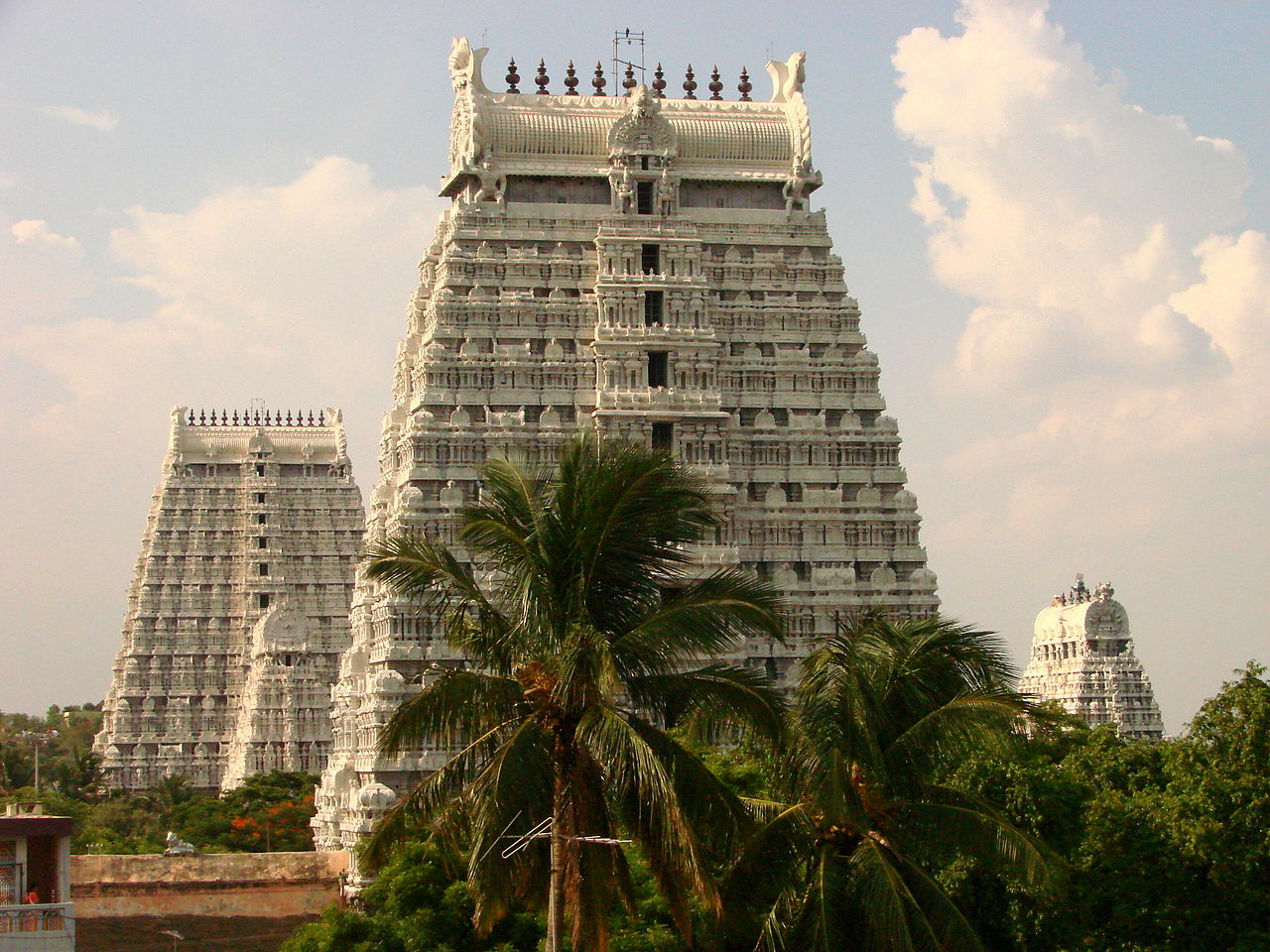


Geography and climate
The district lies inland and features a mix of flat farmland, isolated hills and scattered wooded areas. Rainfall is seasonal, heavily influenced by the southwest and northeast monsoons, and many farmers rely on tanks, small reservoirs and seasonal streams for irrigation. Summers are hot and dry, while winters are mild.
History and cultural importance
The region has long-standing links to classical South Indian dynasties and temple traditions. Tiruvannamalai town has been a major pilgrimage centre for centuries and the Arunachala hill is revered in local religious practice. The 20th-century saint Ramana Maharshi established an ashram in the town, contributing to its modern spiritual reputation. The Karthigai Deepam festival, when a beacon is lit atop Arunachala, attracts large numbers of pilgrims.
Demographics and society
According to the 2011 census the district had a population of 2,464,875 and a sex ratio of 994 females for every 1,000 males. Settlement is predominantly rural, with many people dependent on agriculture and related activities. Literacy, health and infrastructure indicators vary across the district, with ongoing efforts to expand services in smaller towns and villages.
Economy and agriculture
Agriculture is the mainstay of the local economy. Crops include paddy, millets, pulses, groundnuts and horticultural produce where irrigation permits. There are also small-scale industries, traditional crafts such as handloom weaving and other rural enterprises supporting local livelihoods.
Administration and transport
The district is administered through local taluk and panchayat structures, with the municipal administration centred at Tiruvannamalai town. Road and rail links connect the district to Chennai and other regional cities; the nearest major airports are in larger metropolitan areas. Public transport and private coaches are widely used for pilgrimage and trade.
Notable places
- Arunachaleswarar Temple and Arunachala hill, Tiruvannamalai
- Ramana Maharshi Ashram, Tiruvannamalai
- Local market towns and weaving centres supporting regional crafts
- Reservoirs and waterworks serving agricultural needs and attracting visitors
Visitors value the district for its living religious traditions, temple architecture and rural landscapes. Planning priorities include improving infrastructure, supporting sustainable agriculture and conserving cultural and natural heritage.
Related articles
Author
AlegsaOnline.com Tiruvannamalai district, Tamil Nadu Leandro Alegsa
URL: https://en.alegsaonline.com/art/100089
Sources
- census2011.co.in : "Tiruvannamalai District Population Census 2011-2019, Tamil Nadu literacy sex ratio and density"
- thiruvannamalai.in : thiruvannamalai.in