
Tongyong Pinyin — Taiwan's alternative romanization of Mandarin
Tongyong Pinyin is a Taiwan-developed romanization system for Mandarin, adopted officially in 2002 and largely replaced by Hanyu Pinyin in 2009; it remains visible in local signage and public use.
Overview
Tongyong Pinyin is a system for writing Mandarin Chinese sounds with the Latin alphabet that was developed in Taiwan. Its name means "common/standard use" and it was proposed as a national alternative to Hanyu Pinyin, the system promoted by the People's Republic of China and widely adopted by international organizations. Tongyong Pinyin was designed to represent the pronunciation of Mandarin while reflecting local linguistic preferences and political sensibilities. It was made an official romanization in Taiwan in 2002 and later superseded at the national level by Hanyu Pinyin in 2009, though it persists in many local contexts.
Image gallery
10 Images




Characteristics
As a romanization scheme, Tongyong Pinyin shares the basic aim of mapping Mandarin initials, finals and tones into Roman letters. It differs from other systems in some choices for how particular sounds are spelled and in conventions for tone marking and syllable separation. The system was intended to be practical for signage, maps and official documents and to be relatively easy for non-specialists to read. Because it is an orthographic convention rather than a phonetic transcription tool, tone marks were optional in everyday uses.
History and development
Tongyong emerged in Taiwan amid debates over language, identity and the symbolic influence of mainland China. It was developed and promoted through government committees and public discussion. In 2002, Taiwan adopted Tongyong Pinyin as the island's official romanization method, in part as a way to assert a distinct approach to writing Mandarin that differed from the Hanyu Pinyin standard favored on the mainland. In 2009 the national government moved to standardize on Hanyu Pinyin for official use, aligning Taiwan more closely with international practice; nevertheless, the transition has been gradual and uneven across municipalities.
Uses, examples and contemporary status
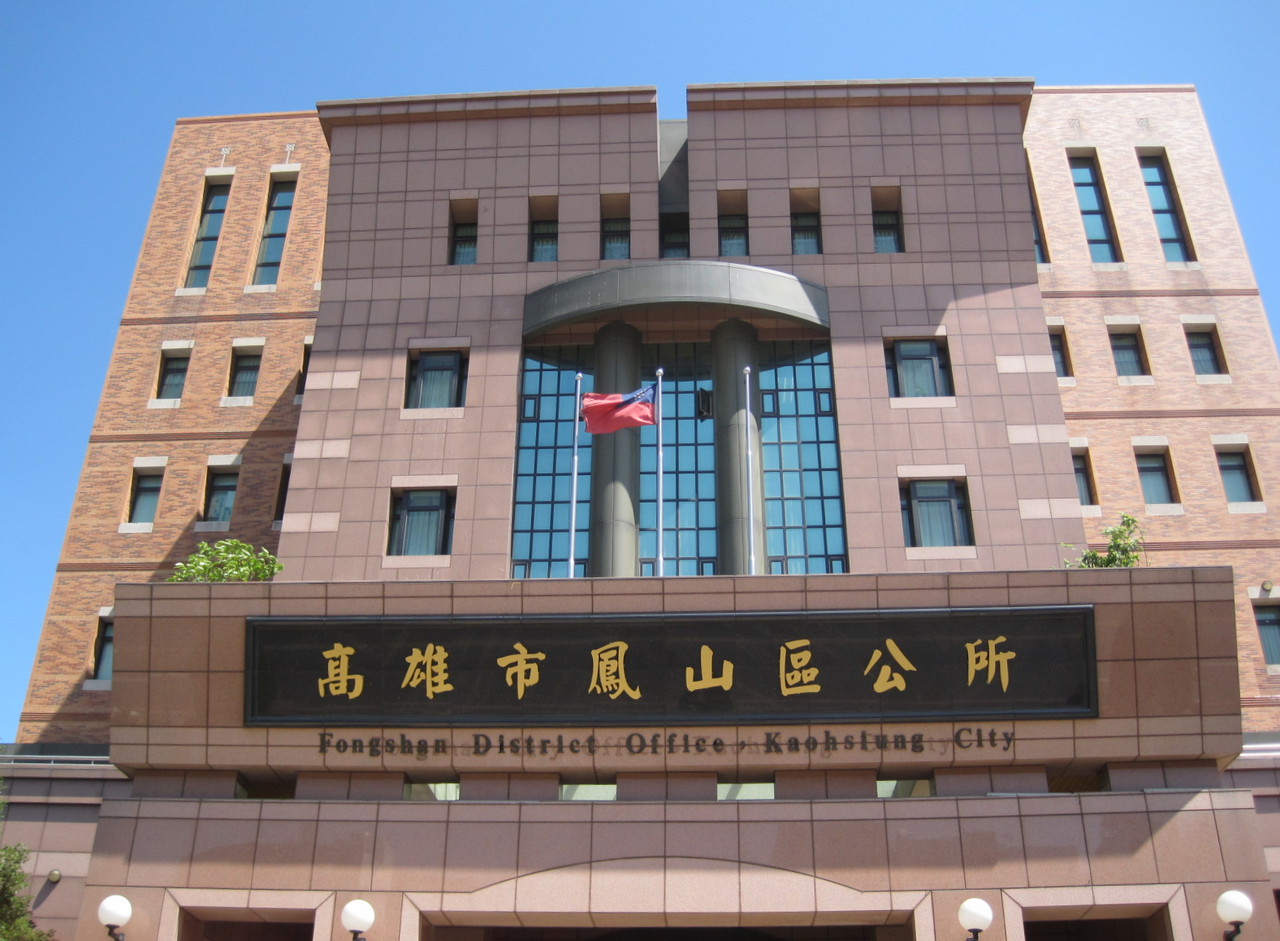
Tongyong Pinyin has been used on road signs, place names, government publications and educational materials. After the 2009 policy change to Hanyu Pinyin, many new signs and documents adopted the latter, but older signage, local preferences and historical spellings mean Tongyong forms still appear, especially in southern Taiwan and in informal contexts. The coexistence of multiple romanization styles in Taiwan can lead to inconsistent spellings of the same place or personal name across different maps, directories and websites.
Advantages, criticisms and notable distinctions
- Advantages: Tongyong was seen by supporters as better reflecting local preferences and as a politically neutral or locally empowering choice. It aimed to be user-friendly for non-linguists and to accommodate existing Taiwanese usage.
- Criticisms: Because Hanyu Pinyin is the international standard adopted by many countries and organizations, Tongyong’s differences caused compatibility and recognition problems abroad. Critics also pointed to inconsistency where multiple romanizations coexist, complicating navigation, data entry and international communications.
Further reading and references
For background on romanization standards and international practice, see discussions of Hanyu Pinyin and other systems. Official decisions, municipal practices and the political context of romanization in Taiwan are treated in government reports and academic studies; for more general information consult standard references on Chinese romanization.
Related resources: overview of romanization methods, comparison with other systems, Taiwan language policy, Hanyu Pinyin background, international adoption, organizational standards, current Taiwan practice.
Questions and answers
Q: What is Tongyong Pinyin?
A: Tongyong Pinyin is a way to write Mandarin in the Roman alphabet, invented in Taiwan.
Q: Why was Tongyong Pinyin created?
A: Tongyong Pinyin was created by the Taiwanese to oppose Hanyu Pinyin, the official romanization of Mandarin in Mainland China, the UN, and most other international organizations.
Q: What was the reason behind opposing Hanyu Pinyin?
A: Many Taiwanese do not want to use a writing system created by the Chinese Communist Party.
Q: When did Tongyong Pinyin become the official romanization in Taiwan?
A: Tongyong Pinyin became the official romanization in Taiwan in 2002.
Q: Were people forced to use Tongyong Pinyin as the official romanization in Taiwan?
A: No, no one was forced to use Tongyong Pinyin as the official romanization in Taiwan.
Q: When was Tongyong replaced by Hanyu as the island's official romanization?
A: Tongyong was replaced by Hanyu as the island's official romanization in 2009.
Q: Is Tongyong still in use in Taiwan?
A: Yes, many cities particularly in southern Taiwan still use many different romanizations, including Tongyong spelling and it can still be seen in many places.
Related articles
Author
AlegsaOnline.com Tongyong Pinyin — Taiwan's alternative romanization of Mandarin Leandro Alegsa
URL: https://en.alegsaonline.com/art/100531
Sources
- research.chtsai.org : "Zhuyin, Hanyu Pinyin, and Tongyong Pinyin Cross-Reference Table"