
Tipaza — coastal town and archaeological site in Algeria
Tipaza is a coastal town and provincial capital in Algeria, known for its sandy beaches and important ancient ruins that reflect Phoenician, Roman and early Christian presence.
Tipaza (also written Tipasa) is a coastal town in northern Algeria that serves as the administrative centre of Tipaza Province. The modern settlement dates from the nineteenth century, but it is best known for the extensive archaeological remains on the nearby headland and along the shoreline, which attract historians, archaeologists and visitors seeking both heritage and seaside scenery.
Image gallery
10 Images




Archaeological characteristics
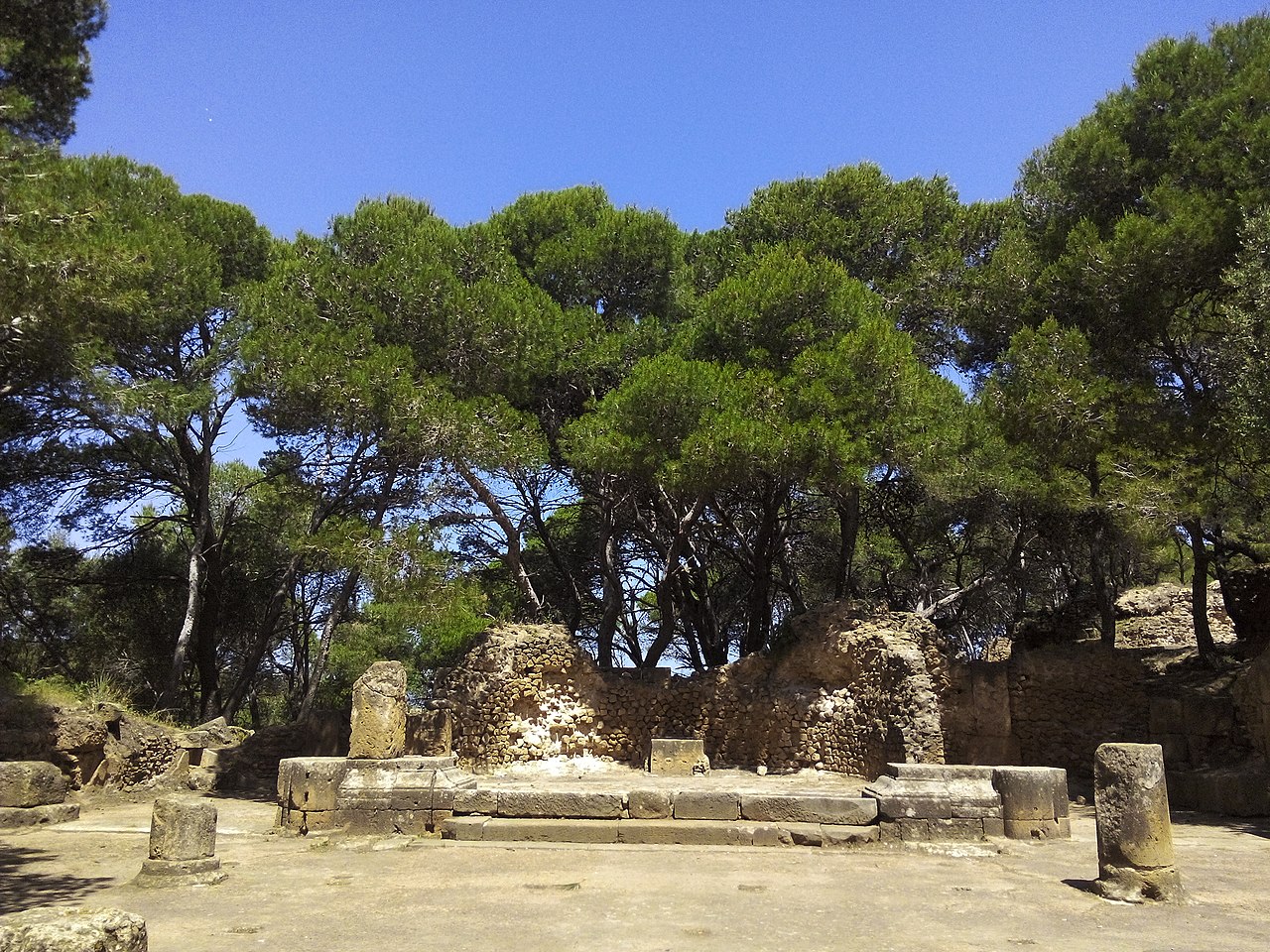
The ruins at Tipaza include visible traces from several eras: Phoenician and Punic traders established early activity, later enlarged under Roman rule, and adapted in the late antique period. Key features include ruins of basilicas, a Roman theatre, tombs and mausoleums, and coastal fortifications. The site is often referenced as an outstanding example of the interaction between Mediterranean maritime trade and local urban development.
History and development
Tipaza's recorded history spans multiple cultural phases. Originally a coastal trading post, it grew during the Roman period into an organized town with civic buildings and Christian churches. Over centuries the settlement experienced decline and transformation under Byzantine and later influences. The present municipal town was established in the colonial era and expanded during modern times while the ruins remained an important reminder of the area’s layered past.
Modern town, economy and culture
Today Tipaza combines a small urban centre with tourism, fishing and local services. Its beaches and the scenic setting of ruins by the sea have made it a popular short-distance destination for residents of the capital and international visitors. Local markets, eateries and a modest hospitality sector support seasonal tourism, while municipal functions maintain the town’s administrative role.
Visiting and significance
Visitors to Tipaza can explore the archaeological park and walk among ruins that overlook the Mediterranean. The site offers a tangible sequence of Mediterranean history and is considered significant for the study of Roman urbanism on the North African coast. Because of its coastal setting and well-preserved remains, Tipaza remains an important cultural and touristic landmark in the region.
- Notable for combined natural scenery and ancient ruins
- Reflects Phoenician, Roman and early Christian layers
- Functions as a provincial capital and tourist destination
Related articles
Author
AlegsaOnline.com Tipaza — coastal town and archaeological site in Algeria Leandro Alegsa
URL: https://en.alegsaonline.com/art/100049
Sources
- onsm-dz.com : "Tipaza"
- msi.nga.mil : List of Lights, Pub. 113: The West Coasts of Europe and Africa, the Mediterranean Sea, Black Sea and Azovskoye More (Sea of Azov)
- unc.edu : "Western Algeria"