
Tinlot — a small municipality in Liège province, Belgium
Tinlot is a small French-speaking municipality in the Wallonia region of Belgium, located in the province of Liège. It is rural, historically agricultural, and had about 2,358 residents in 2007.
Tinlot is a compact municipality in Belgium, situated in the French-speaking Wallonia region. It lies within the administrative province of Liège and is characterized by a small, dispersed population and a largely rural landscape. The commune coordinates are approximately 50°28′N, 5°22′E, and the recorded population was about 2,358 inhabitants in 2007.

Image gallery
4 Images
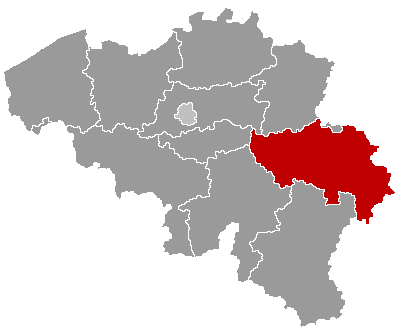


Geography and administration
Tinlot occupies a modest area of rolling farmland, small woodlands and village settlements typical of the Belgian countryside. As a local administrative unit it is governed by a municipal council and mayor who handle services such as local planning, schools and community facilities. The town is within driving distance of larger urban centres in the Liège province, which provide broader services and employment opportunities.
History and development
The area around Tinlot has roots in medieval rural settlement patterns common to Wallonia: small farming hamlets, parish churches and local markets shaped community life for centuries. Over time, agricultural modernization and regional administrative reforms altered local governance and land use, while preserving many traditional buildings and field patterns.
Economy, population and daily life
Tinlot’s economy remains largely local and rural: agriculture, small businesses and local services are important, and many residents commute to nearby towns for work. Population levels are low compared with urban municipalities; the 2007 figure gives a useful reference for its scale. Community life typically revolves around parish events, village associations and outdoor recreation.
Points of interest and activities
Visitors and residents find walking and cycling routes, village churches and local fêtes to be the main attractions. Typical amenities include community halls, small shops and cafés that reflect village life. The municipality is also a starting point for exploring the surrounding countryside and the wider Liège province.
Notable facts and practical notes
Tinlot illustrates a common Belgian rural profile: a small French-speaking municipality with historical roots, modest population and a landscape shaped by farming. For practical information—administrative contacts, current population figures or cultural events—consult municipal sources or regional portals that list local services and recent statistics.
Related articles
Author
AlegsaOnline.com Tinlot — a small municipality in Liège province, Belgium Leandro Alegsa
URL: https://en.alegsaonline.com/art/100032
Sources
- statbel.fgov.be : Werkelijke bevolking per gemeente op 1 januari 2007 / Population de droit par commune au 1 janvier 2007 (.xls)
- statbel.fgov.be : Geografische coördinaten van de gemeenten (.xls)