
Thornton Heath, London — overview and local guide
Thornton Heath is a residential district in the London Borough of Croydon, south London. This article summarizes its location, development, transport, amenities and community character.
Thornton Heath is a neighbourhood in the southern suburbs of London, within the London Borough of Croydon and commonly described as part of south London. It is primarily residential with a busy high street, a variety of local shops and supermarkets, and a range of community facilities that serve a diverse population.
Image gallery
4 Images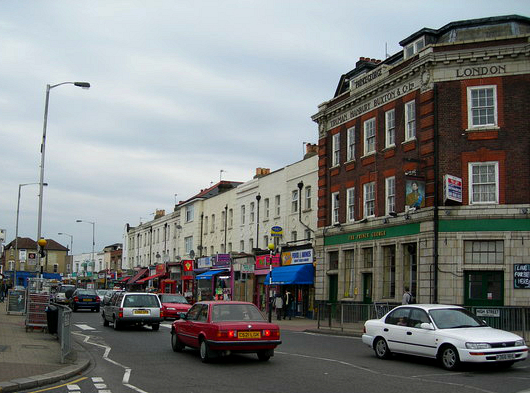

Character and features
The area combines Victorian and later housing with purpose-built flats and small commercial terraces. The high street contains national retailers alongside independent shops, cafes and ethnic food outlets. Residents use local green spaces and leisure facilities; in recent years investment has brought improvements to a leisure centre and public realm.
History and development
Originally open heath and farmland, Thornton Heath expanded during the 19th century as rail connections and suburban development transformed many former villages into commuter districts. Growth continued through the 20th century and the area became more urban and densely settled, reflecting wider changes across outer London.
Transport and amenities
- Rail and buses: Thornton Heath has a railway station offering regular services to central London and nearby towns, together with numerous bus routes linking Croydon, central London and neighbouring districts.
- Shopping: The high street supports independent traders and larger supermarkets, including branches of Sainsbury's and Tesco.
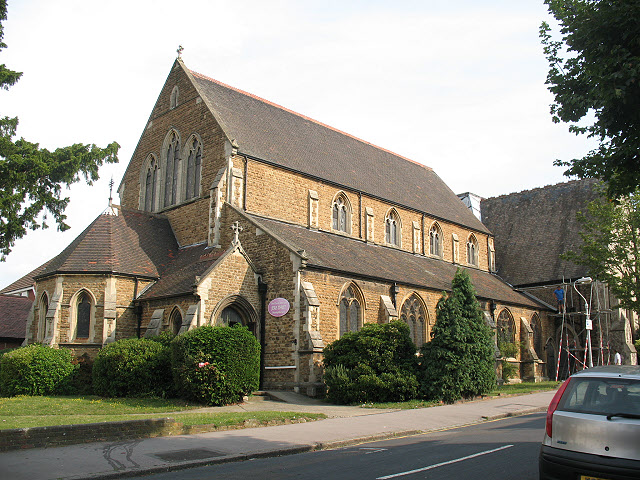
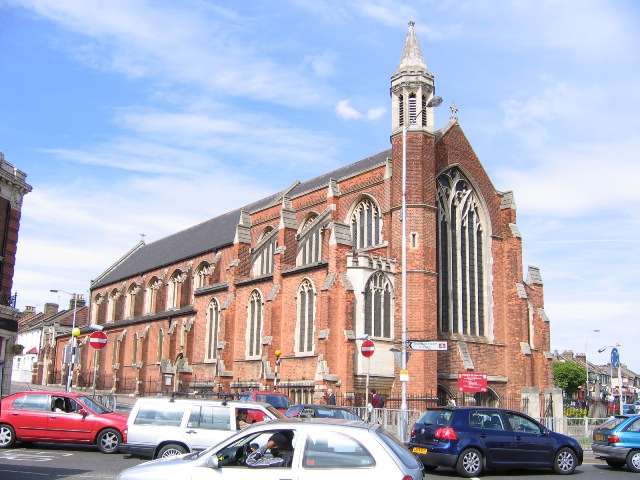
- Community facilities: Libraries, schools, faith centres and sports venues provide local services; the leisure centre and community groups host activities for all ages.
Local life is shaped by a multicultural population and a strong community network. Small businesses, street-level commerce and regular public transport make Thornton Heath a practical base for commuters while retaining a distinct neighbourhood identity.
Notable distinctions
Thornton Heath is often mentioned in discussions of suburban regeneration, community-led projects and the changing face of Greater London suburbs. Its mixture of housing types, accessible transport links and active local organisations are typical of many London districts that evolved from rural origins into urban neighbourhoods.
Related articles
Author
AlegsaOnline.com Thornton Heath, London — overview and local guide Leandro Alegsa
URL: https://en.alegsaonline.com/art/99595