
London Borough of Croydon
A comprehensive overview of the London Borough of Croydon: geography, history, economy, culture, transport and notable features of this large south London borough.
The London Borough of Croydon is a major borough in south London. It covers a substantial suburban and urban area immediately south of the capital and is the southernmost borough of Greater London, reaching the M25 motorway at its southern edge. Croydon contains a principal town centre known simply as Croydon, a mix of commercial districts, residential neighbourhoods and open spaces that together make it one of the larger and more economically significant outer London boroughs.
Image gallery
10 Images




Geography and boundaries
Croydon lies to the south of central London and shares land borders with several other boroughs. To the east it adjoins the London Borough of Bromley, while across its northern edge are the London Boroughs of Southwark and Lambeth. To the west lie the London Boroughs of Sutton and Merton. The borough contains a mix of dense townscape in areas such as Croydon and Thornton Heath, together with suburban streets and a network of parks, commons and waterways.
History and governance
The area that is now the London Borough of Croydon has deep historic roots and was previously part of the county of Surrey until the reorganisation of local government that created Greater London in 1965. Over centuries the town of Croydon grew around market activity and the former Croydon Palace, a residence associated with the Archbishops of Canterbury. Today the borough is administered by Croydon Council. The council applied for city status in national competitions in 2000 and again in 2002; those bids were not successful, so Croydon remains a London borough rather than a city alongside the City of London and the City of Westminster (City of London, City of Westminster).
Economy, shopping and education
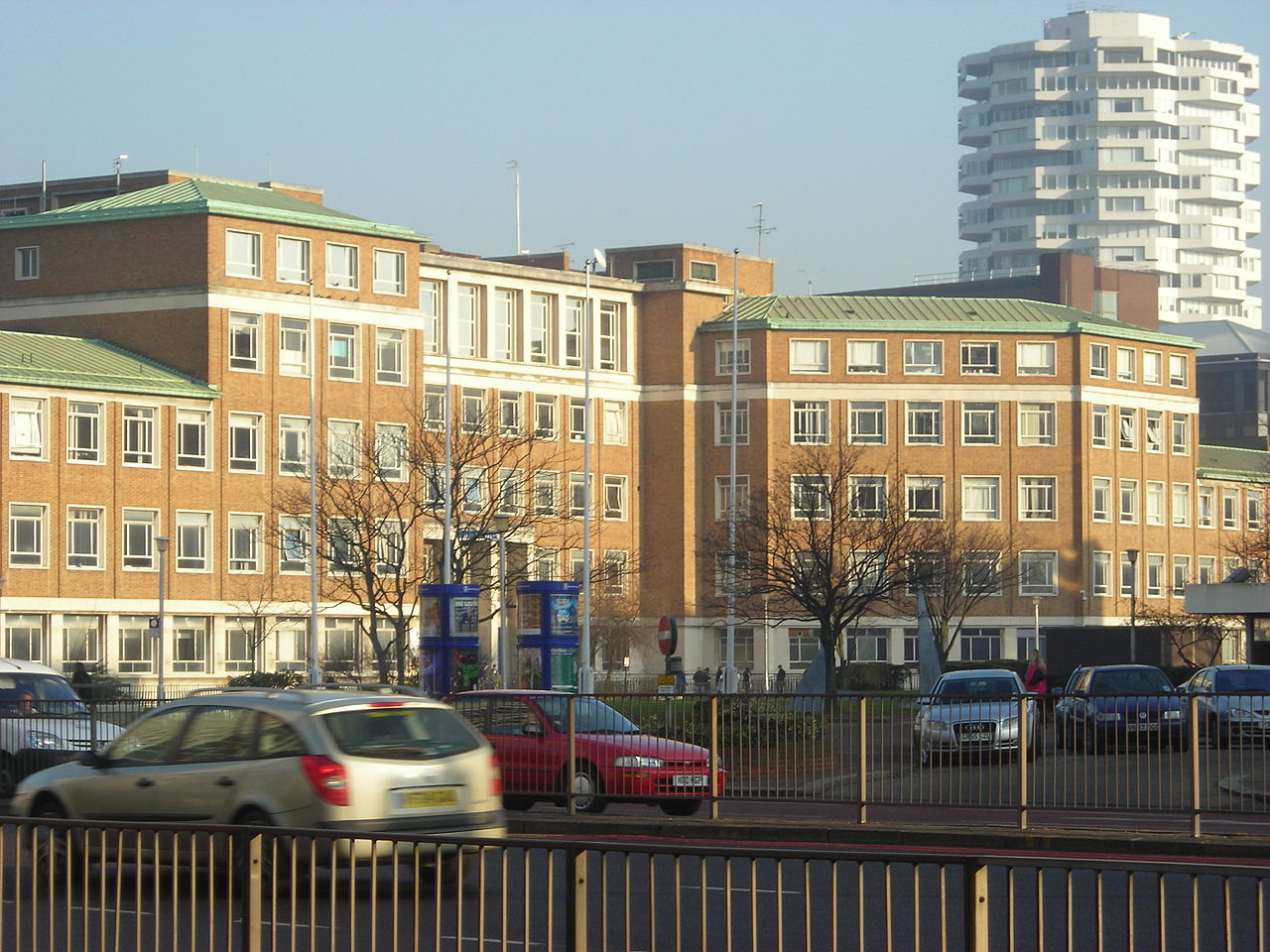
Croydon is an important commercial centre outside central London. Its town centre provides a significant amount of office space for the south-east of England and hosts several shopping destinations, including the large covered centres Centrale and the Whitgift Centre. The retail and leisure offer has been the focus of regeneration and redevelopment initiatives intended to modernise the high street and attract new investment. Further and higher education in the borough includes institutions such as Croydon College and John Ruskin College, which serve post-16 learners and vocational students.
Culture, sports and open space
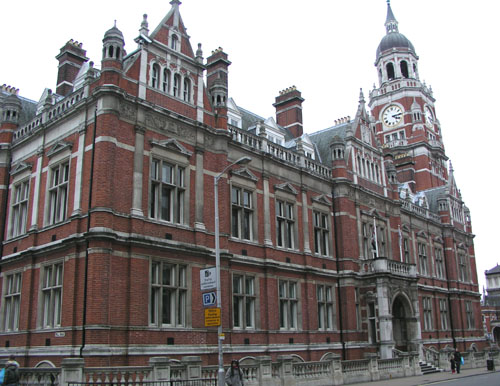
The borough has a varied cultural life with theatres, concert halls and heritage sites. Notable venues and attractions include Fairfield Halls, the Croydon Clocktower cultural complex, the historic Shirley Windmill and the site of the former Croydon Airport, which played a role in early British civil aviation. Croydon is also home to professional and amateur sports clubs; among them is Crystal Palace F.C., which represents the wider south London area, and local non-league teams such as Croydon F.C. The borough contains many parks and open spaces, for example South Norwood Lakes and Lloyd Park, which provide recreational areas for residents and visitors.
Transport and notable features
Croydon benefits from strong transport links: East Croydon station is a major rail hub with frequent services into central London and the south-east, and the borough is comparatively close to Gatwick Airport, making it a convenient location for connections to national and international flights. The M25 encircling motorway touches the southern boundary, offering road access around Greater London. Croydon’s mix of commercial centres, cultural venues and green spaces, together with ongoing urban redevelopment, makes it a significant and evolving part of London’s suburban landscape.
- Administrative centre and largest town: Croydon
- Neighboring boroughs: Bromley, Southwark, Lambeth, Sutton and Merton
- City status bids referenced in national rounds alongside City of London and City of Westminster
- Further reading and local resources: see local authority and cultural sites for current events and regeneration plans (official borough information).
Questions and answers
Q: What is the London Borough of Croydon?
A: The London Borough of Croydon is a London Borough located in south London.
Q: What are the neighbouring boroughs to North Croydon?
A: To the east, North Croydon mainly borders the London Borough of Bromley and to the north, it borders the London Boroughs of Southwark and Lambeth. The boroughs of Sutton and Merton are west of Croydon.
Q: What does Croydon offer in terms of office space?
A: Apart from Central London, Croydon offers the most office space in Southeast England.
Q: How many shopping centres are there in Croydon?
A: There are two shopping centres in Croydon which are named Centrale and Witgift Centre. It was also named as one of the top 20 best shopping towns in UK.
Q: Are there any schools for people over 16 years old located within this borough?
A: Yes, there are two schools for people over 16 years old located within this borough - namely, Croydon College and John Ruskin College.
Q: Does this borough have any football clubs?
A: Yes, this borough has two football clubs - Crystal Palace F.C., who play in Football League Championship; and Croydon F.C., who play in Ryman League.
Q: What other attractions can be found within this borough?
A: This borough is known for having a lot parks and open spaces like Mitcham Common and South Norwood Lakes; as well as entertainment facilities including Fairfield Halls, Warehouse Theatre, disused airport (Croydon Airport), Shirley Windmill, historic buildings such as Croydons Palace or Clocktower; making it a popular tourist attraction close to Gatwick Airport
Related articles
Author
AlegsaOnline.com London Borough of Croydon Leandro Alegsa
URL: https://en.alegsaonline.com/art/58989