
The Tombs of Atuan (Earthsea novel by Ursula K. Le Guin)
A concise encyclopedia entry on Ursula K. Le Guin's The Tombs of Atuan (1971): setting, plot focus, themes, characters, publication, reception and its place in the Earthsea cycle.
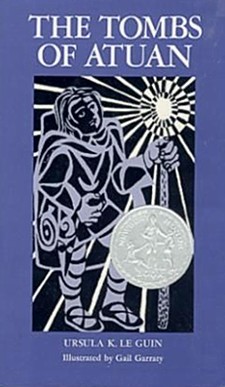
The Tombs of Atuan is the second published novel in Ursula K. Le Guin's Earthsea sequence. First released in 1971, it shifts the series' focus from the young wizard Ged to Tenar, a girl taken into priestly service and renamed Arha. The novel explores her life within the labyrinthine underground shrines known as the Tombs and the personal transformations that follow when an outsider arrives. For information about the author, see Ursula K. Le Guin.
Image gallery
2 Images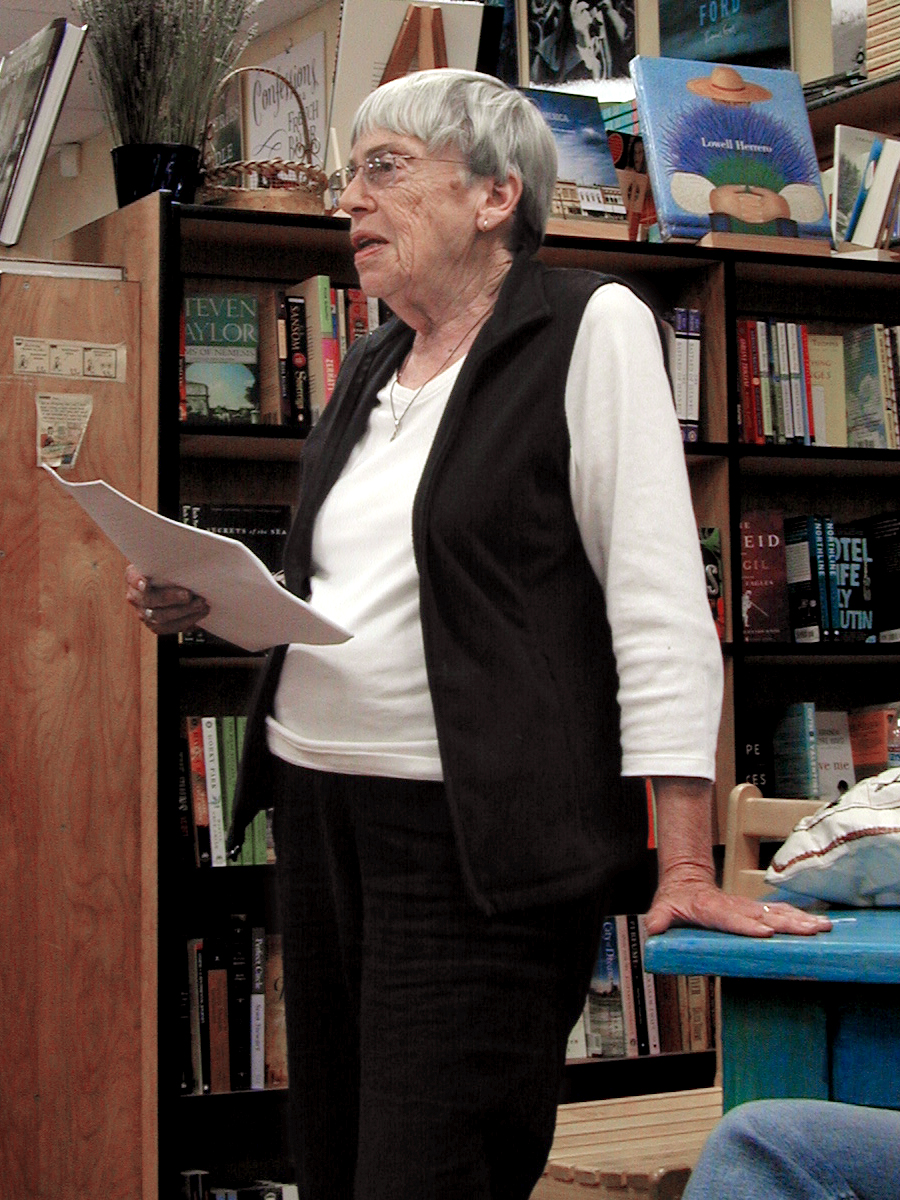
Setting and structure
The book is set in the archipelago of Earthsea, a secondary-world fantasy setting Le Guin developed across multiple novels. Much of the action takes place on Atuan, an island with a closed religious society centered on mysterious deities called the Nameless Ones. The narrative is relatively compact, concentrating on psychological detail and the confined physical spaces of the Tombs rather than on large-scale battles or quests. The Tombs follows A Wizard of Earthsea in publication order and is followed by The Farthest Shore.
Plot and characters
The protagonist, born Tenar and later given the priestly name Arha, serves as high priestess in a cloistered temple complex. Her inward life, duties, and isolation form the emotional core of the book. A returning figure from the wider world — a wizard who has already appeared in the saga — arrives, setting in motion events that force Tenar to reevaluate identity, authority and freedom. The relationship between the two central figures becomes the vehicle for much of the novel's drama.
Themes and style
- Identity and names: The story examines how names, both given and hidden, shape a person's sense of self.
- Power and captivity: It contrasts institutional power with individual moral choice.
- Coming of age: Tenar's inner development is treated as a rite of passage.
- Mythic and philosophical influence: Le Guin's prose incorporates mythic archetypes and has been widely read through lenses such as Taoist balance and feminist critique.
Publication, reception and legacy
Published in 1971, The Tombs of Atuan received significant critical attention and was named a Newbery Honor book in 1972, recognition often cited in discussions of quality in children’s and young adult literature; see Newbery honors for context. Critics and scholars have praised the novel for its psychological depth, economical storytelling and its atypical choice of a female protagonist in a genre then dominated by male heroes. The Earthsea books have influenced later fantasy authors and have appeared in various dramatic and media adaptations inspired by the series.
Notable distinctions
Unlike many fantasy novels that foreground action and epic conflict, The Tombs of Atuan narrows its attention to interior life and moral choice. It is often highlighted for presenting a female point of view within a continuing series, for deepening the world of Earthsea, and for how it reframes earlier events from the saga. Readers approaching the book benefit from an awareness of its focus on character and theme rather than on plot alone.
Related articles
Author
AlegsaOnline.com The Tombs of Atuan (Earthsea novel by Ursula K. Le Guin) Leandro Alegsa
URL: https://en.alegsaonline.com/art/98997
Sources
- books.google.co.in : The Tombs of Atuan
- muse.jhu.edu : "The Good Witch of the West"
- doi.org : 10.1353/chl.0.0112
- kirkusreviews.com : "The Left and Right Hands of Ursula K. Le Guin"