
A Wizard of Earthsea — novel by Ursula K. Le Guin
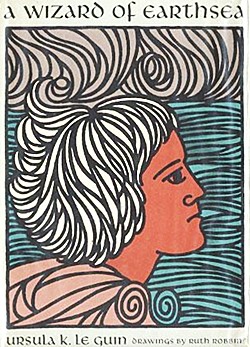
A Wizard of Earthsea (1968) is Ursula K. Le Guin's first Earthsea novel. A coming-of-age fantasy about the wizard Ged, it introduced a poetic magic of true names and a morally complex world.
A Wizard of Earthsea, published in 1968, is the first standalone novel set in the archipelagic fantasy world called Earthsea. Written by Ursula K. Le Guin, it follows the youth Ged (also known as Sparrowhawk), who trains to become a powerful wizard and must confront a dark force he unwittingly unleashes. The book combines adventure and introspection, and has been influential in modern fantasy for its focus on moral growth and the consequences of power.
Image gallery
6 Images



Setting and magic
Earthsea is a world of islands and open sea where people of many cultures interact. Magic in this setting is built around the concept of true names and balance: knowing the true name of a thing gives power over it, and responsible use of magic means respecting the limits and harmony of nature. Wizards are trained at schools such as Roke, where language, discipline, and self-knowledge are central to learning.
Plot and characters
The narrative traces Ged's development from a headstrong youth to a seasoned magician who must accept responsibility for his mistake. Early chapters show his apprenticeship and rivalry; the central conflict arises when an act of pride brings forth a shadow-creature that pursues him. Ged's journey becomes less about defeating an external villain and more about understanding and integrating his own darker side.
Themes and style
Le Guin's prose is noted for its spare, lyrical quality and its emphasis on ethical dilemmas rather than flashy spectacle. Major themes include coming-of-age, the moral cost of power, the role of language and names, and balance between opposites. Readers and critics often point to philosophical influences—such as ideas about balance and reciprocity—as shaping the novel's tone and structure.
Publication, reception and adaptations
As the opening volume of the Earthsea sequence, the book was followed by additional novels and short stories that expanded the world and explored its cultures and histories. It received recognition from readers and some awards, such as the Lewis Carroll Shelf Award in 1979, and has been widely translated. The story was adapted for television as a mini-series that combined material from A Wizard of Earthsea and its sequel The Tombs of Atuan; Le Guin publicly expressed dissatisfaction with that adaptation.
Legacy and further reading
A Wizard of Earthsea is regarded as a seminal work in twentieth-century fantasy, notable for shifting the genre toward psychological depth and ethical nuance. It influenced later writers and helped broaden the audience for thoughtful fantasy. For more on the author and the setting, see entries on fantasy literature, the Earthsea setting, and profiles of Ged. Readers often approach this book as both an adventure tale and a meditation on identity and responsibility.
- Author: Ursula K. Le Guin
- First published: 1968
- Notable award: Lewis Carroll Shelf Award (1979)
Tags
Related articles
Author
AlegsaOnline.com A Wizard of Earthsea — novel by Ursula K. Le Guin Leandro Alegsa
URL: https://en.alegsaonline.com/art/139