
The Times of India
An overview of The Times of India: history, editions, ownership, circulation and role in Indian media, with notes on digital expansion and criticisms.
Overview
The Times of India is a long-established English-language newspaper published in India. It is produced by Bennett, Coleman & Co. Ltd., commonly known as The Times Group, and appears in multiple city editions. The paper is widely read across the country and maintains a significant presence in print and online. For its official online access see the newspaper's site.
Image gallery
6 Images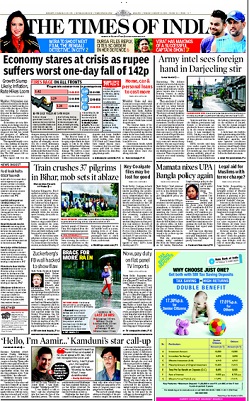


History and development
The title traces its origins to the British colonial period. It was founded in 1838 as The Bombay Times and Journal of Commerce and acquired the name The Times of India in 1861. Over the following century the paper expanded from a regional paper into a national publication, adding local city editions and growing its reporting staff. Its evolution mirrors the growth of the modern Indian press and the shifting political and commercial environment of the subcontinent. A searchable archive and historical materials are often consulted by researchers; see a sample archive reference at historical resources.
Format, editions and features
The Times of India has traditionally appeared in broadsheet format and offers a range of daily supplements and weekend magazines. Typical components include local city pages, national news, business and finance sections, lifestyle and entertainment coverage, and specialized inserts for education and careers.
- Multiple city editions catering to regional readers.
- Business and financial reporting aimed at professionals.
- Weekend magazines and cultural supplements.
- Digital editions, mobile apps and social-media channels.
Circulation and influence
The newspaper has been among the highest-circulation English-language papers in India and has reported weekday circulation figures in the low millions. It is often described as one of the most widely read English dailies globally. Its influence extends beyond print through television and online properties owned by The Times Group, and it plays a prominent role in shaping public discussion, urban culture and advertising markets in India.
Reception, criticism and distinctions
As a major media outlet, The Times of India attracts both praise and criticism. Supporters point to its reach, reporting resources and role in public life. Critics and media-watchers have raised concerns at times about editorial independence, sensational headlines and the blending of advertising with editorial content. The newspaper's political and editorial stance has been characterized in various ways by observers; readers and analysts often debate its positions and coverage priorities. For comparative circulation context, commentators sometimes reference other large papers such as USA Today.
Digital presence and related media
Beyond print, the brand maintains an extensive digital footprint: a web edition, e-paper, mobile applications and active social media accounts. These platforms publish breaking news, multimedia content and opinion pieces, and they are key to the organisation's strategy in an increasingly online news market. The Times Group's broader holdings include television channels and magazines, offering cross-platform distribution and advertising opportunities; an overview of the parent company is available at company information.
Related articles
Author
AlegsaOnline.com The Times of India Leandro Alegsa
URL: https://en.alegsaonline.com/art/98990
Sources
- televisionpoint.com : "The Times of India turns the Times of Colour"
- worldpress.org : "Newspapers and Magazines Online: India"