
The Lord of the Rings (film trilogy)
Epic fantasy film trilogy directed by Peter Jackson (2001–2003), adapted from J.R.R. Tolkien's novel. Filmed in New Zealand; acclaimed for scale, craftsmanship, awards and lasting cultural influence.
Overview
The Lord of the Rings film series is a linked three‑part cinematic adaptation of J. R. R. Tolkien's high fantasy novel. The trilogy—The Fellowship of the Ring (2001), The Two Towers (2002) and The Return of the King (2003)—was directed by Peter Jackson and produced for New Line Cinema. It brought Tolkien's imagined world to mainstream cinema audiences and became one of the most prominent fantasy film projects of the early 21st century. The films remain closely associated with the original author J. R. R. Tolkien and his book The Lord of the Rings.
Image gallery
10 Images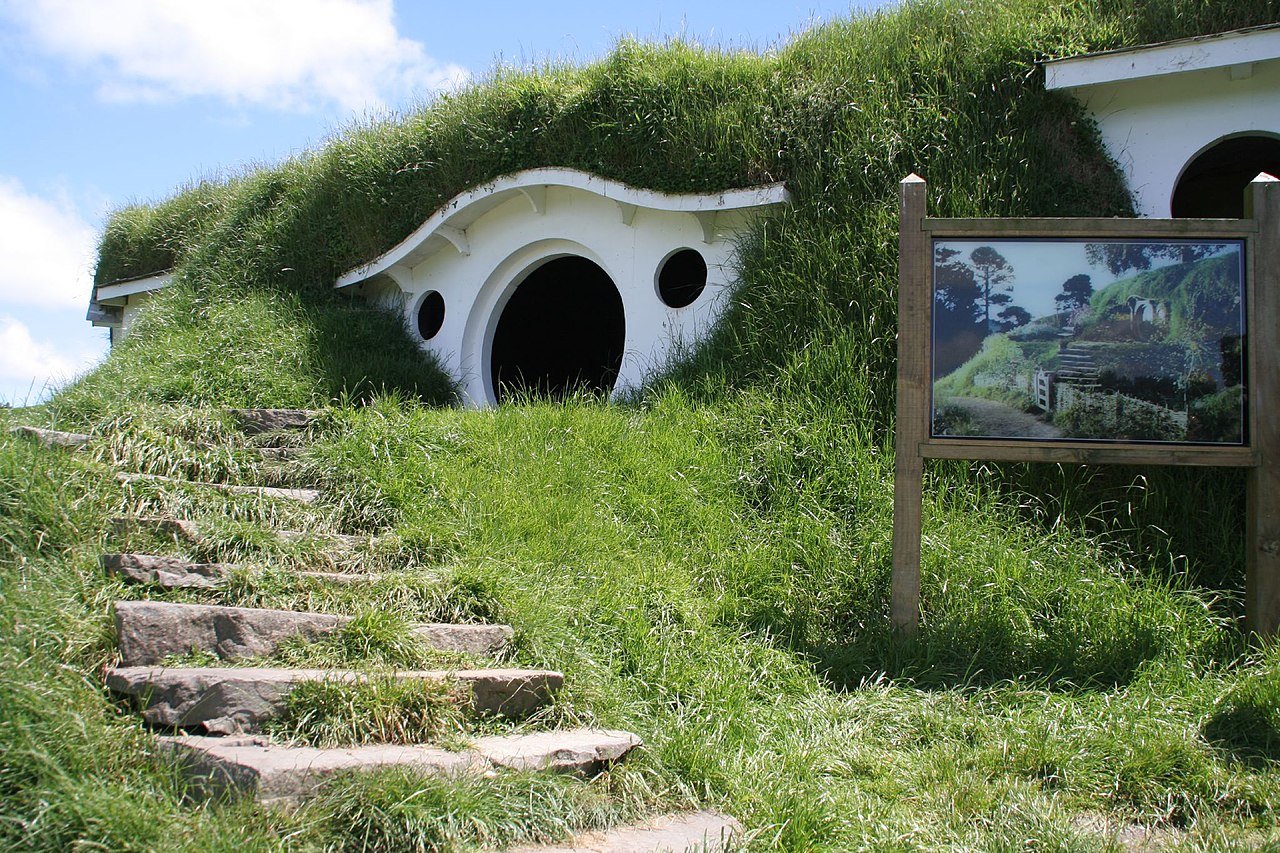






Structure and principal credits
The trilogy was scripted collaboratively; the credited writers adapted the dense source material into a filmable narrative and are associated with the official screenplay. Distribution and marketing involved the studio New Line Cinema, with theatrical releases handled worldwide through arrangements with other companies. In many territories the films were released by major exhibitors under distribution agreements, including releases coordinated by Warner Bros..
Production
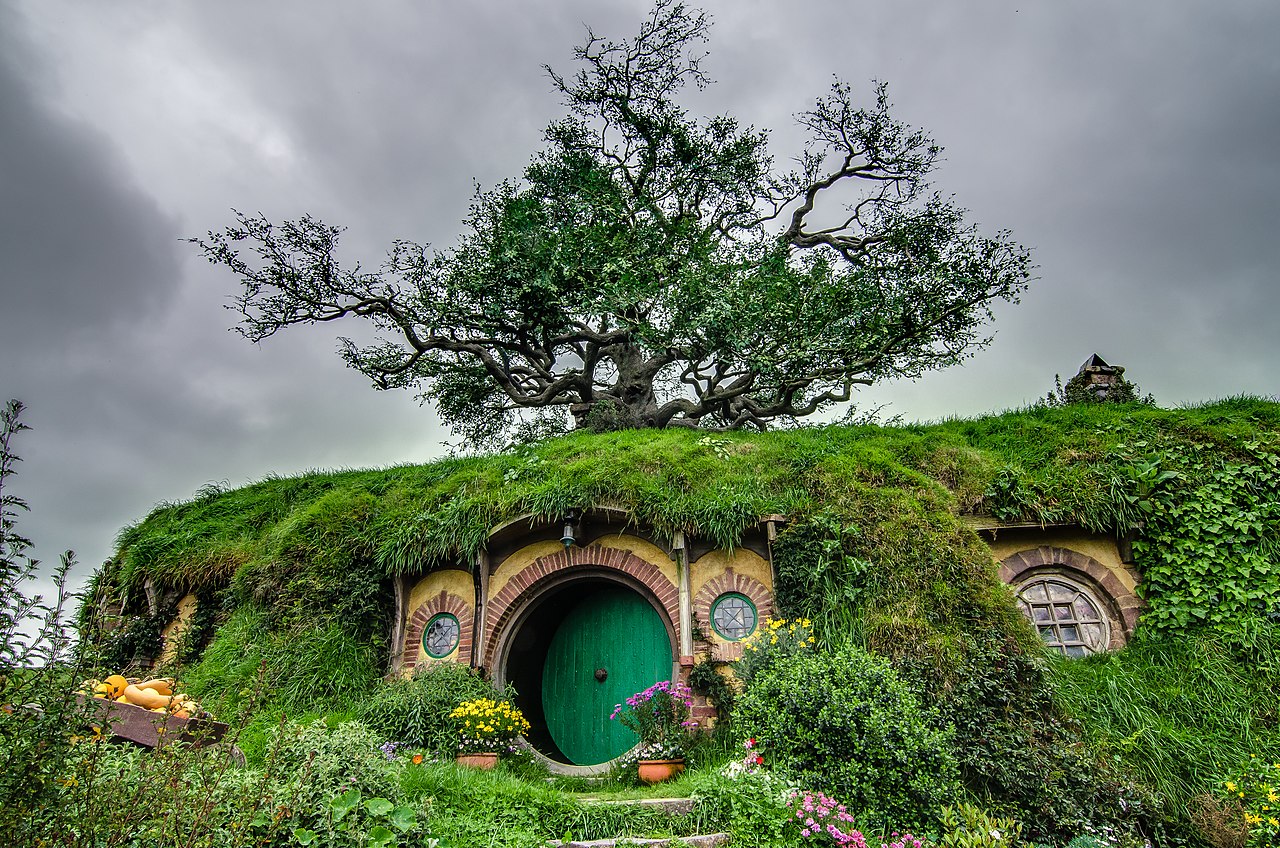
Principal photography took place in New Zealand, where the production used a variety of landscapes, purpose‑built sets and purposefully integrated practical and digital effects. The three films were shot largely at the same time in an extended schedule (principal filming spanned roughly late 1999 into 2000), an uncommon approach for a multi‑film adaptation and one that helped ensure visual continuity across the trilogy.
Cast, design and music
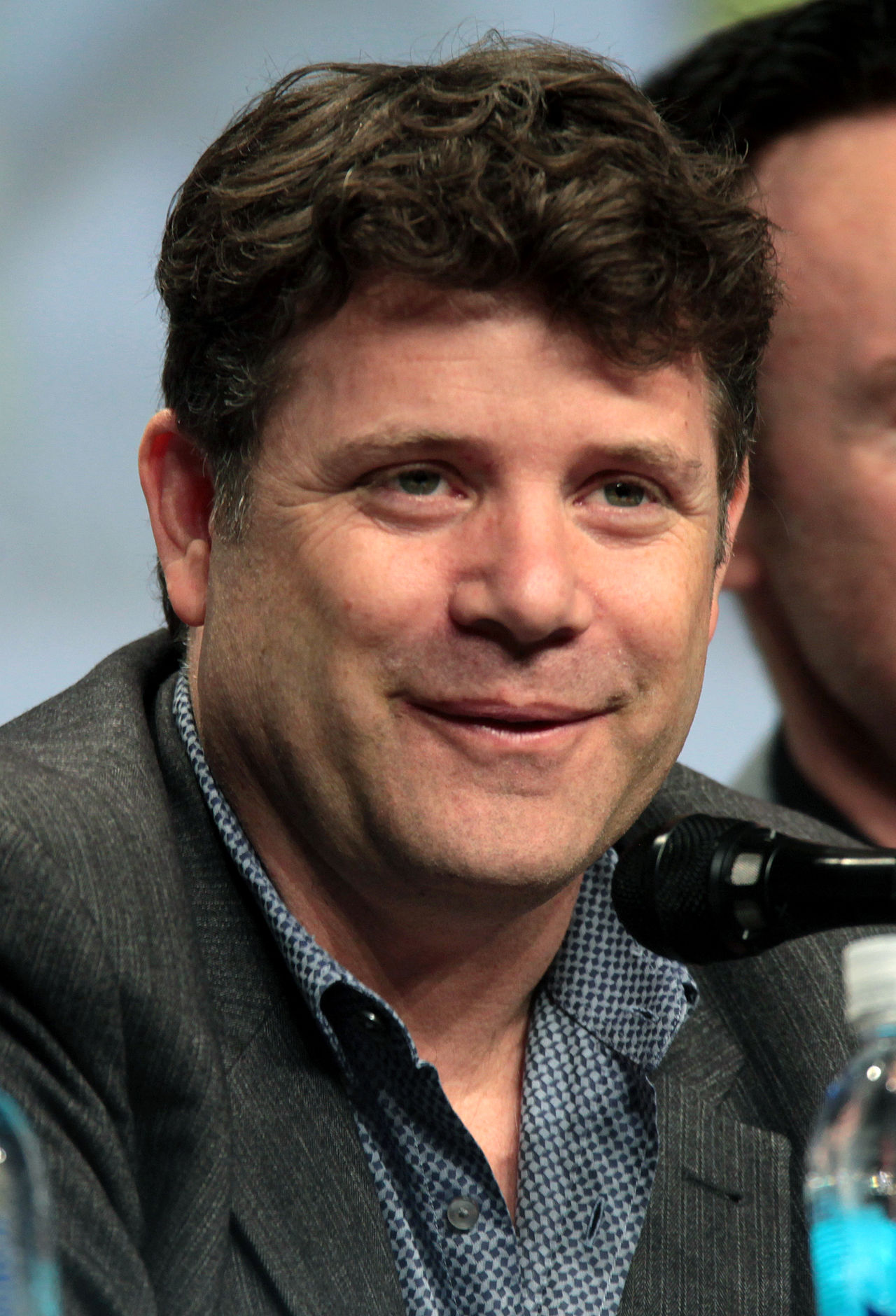
The ensemble cast mixes established and rising actors. Notable leads include Elijah Wood, Ian McKellen, Viggo Mortensen, Sean Astin, Cate Blanchett and others. The production is widely praised for costume and set design, miniature work, motion‑capture creatures and the orchestral score composed for the films. Key technical and creative decisions emphasized a blend of practical effects and emerging digital techniques.
- Principal actors: Elijah Wood, Ian McKellen, Viggo Mortensen, Sean Astin, Cate Blanchett
- Composer and soundtrack: acclaimed orchestral scores integral to the tone
- Art direction: extensive sets, models and location work
Reception and legacy
Critically and commercially successful, the trilogy culminated with The Return of the King winning multiple Academy Awards, including Best Picture, and meeting significant box‑office milestones. Beyond awards, the films stimulated renewed public interest in Tolkien's writings, led to extended editions and home‑video releases, and influenced later fantasy filmmaking, television adaptations, merchandising and fan communities worldwide.
Together the films represent a major achievement in adapting a complex literary work for the screen: an ambitious production model, a high degree of technical craft, and a cultural impact that continues to shape how epic fantasy is produced and received.
Questions and answers
Q: What is The Lord of the Rings?
A: The Lord of the Rings is a set of three fantasy movies based on J.R.R. Tolkien's book of the same name.
Q: Who directed The Lord of the Rings movie series?
A: The Lord of the Rings movie series was directed by Peter Jackson.
Q: Who wrote the screenplay for The Lord of the Rings movies?
A: The screenplay for The Lord of the Rings movies was written by Fran Walsh, Philippa Boyens, and Peter Jackson.
Q: When were The Lord of the Rings movies filmed?
A: The Lord of the Rings movies were filmed in New Zealand from October 1999 to December 2000.
Q: Were The Lord of the Rings movies the first live-action adaptations of the book series?
A: Yes, The Lord of the Rings movies were the first live-action adaptations of the book series.
Q: Who distributed The Lord of the Rings movies?
A: The Lord of the Rings movies were distributed by New Line Cinema.
Q: When were The Lord of the Rings movies released?
A: The movies were released separately in December 2001-2003 by Warner Bros.
Related articles
Author
AlegsaOnline.com The Lord of the Rings (film trilogy) Leandro Alegsa
URL: https://en.alegsaonline.com/art/98382