
The Haunting (1963 film)
Robert Wise's 1963 adaptation of Shirley Jackson's novel, a landmark psychological haunted-house film noted for its atmosphere, performances, and suggestive cinematic techniques.
Overview
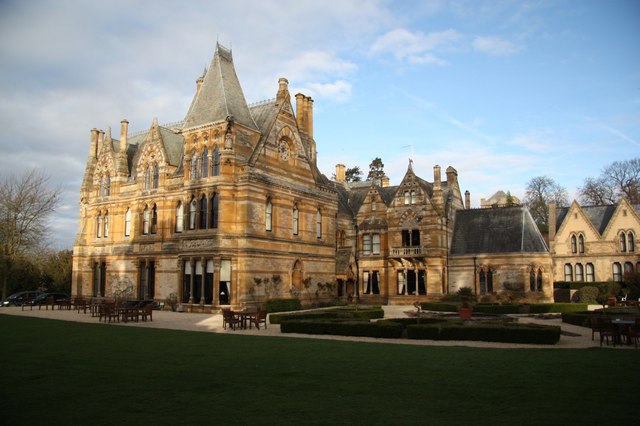
The Haunting is a 1963 British psychological horror film directed by Robert Wise and adapted from Shirley Jackson's novel The Haunting of Hill House. The picture centers on a small group invited to an isolated mansion to investigate apparent supernatural occurrences. It premiered on 16 September 1963 and has since been widely discussed as a classic of subtle, suggestive horror.
Image gallery
3 Images

Plot and themes
The narrative follows Eleanor, an emotionally fragile woman whose arrival at the house coincides with increasingly unnerving events. Rather than relying on explicit shocks, the film focuses on mood, isolation, and the ambiguity between external menace and inner psychological collapse. Themes include memory, repression, and the instability of perception.
Cast and production
The ensemble cast features Julie Harris as Eleanor, Claire Bloom as Theodora, and Richard Johnson as Dr. Markway. The screenplay was adapted for the screen by Nelson Gidding under the direction of Robert Wise. The performances emphasize restraint and emotional nuance, helping to sustain tension without excessive visual explicitness.
Style and cinematic techniques
The film is noted for its black-and-white cinematography, inventive camera movement, and carefully designed soundscape. Its editing, lighting, and production design work together to imply supernatural forces rather than show them directly. Critics and filmmakers often cite the movie as an example of how economy and suggestion can create sustained dread.
Reception, influence and remake
Over time the film's reputation has grown: it is frequently cited as an influential haunted-house picture that favors psychological complexity. Its legacy includes study in film courses and influence on later directors. A high-profile studio remake appeared in 1999; that modernized version met with mixed to negative reviews from many critics and viewers, who compared it unfavorably to the original (see reactions).
Notable aspects
- Emphasis on atmosphere and suggestion rather than graphic horror.
- Strong central performance that blurs sympathy and unease.
- Use of black-and-white visuals and sound design to produce psychological tension.
- Adaptation of a well-known mid-20th-century Gothic novel into a restrained cinematic language.
Related articles
Author
AlegsaOnline.com The Haunting (1963 film) Leandro Alegsa
URL: https://en.alegsaonline.com/art/98132
Sources
- bbfc.co.uk : "THE HAUNTING (X)"