
The Fifth Estate (2013 film)
A dramatic thriller portraying the rise of WikiLeaks and its founder, exploring secrecy, journalism and ethics through a fictionalized retelling and a high-profile cast.
The Fifth Estate is a 2013 dramatic-thriller film that dramatizes the early years of the whistleblowing organisation WikiLeaks and its founder. The picture was directed by Bill Condon with a screenplay by Josh Singer. It aims to translate a complex, real-world story about classified information, transparency and personal conflict into a conventional narrative feature for mainstream audiences. The film attracted attention for tackling recent political events and for its central performances.
Image gallery
3 Images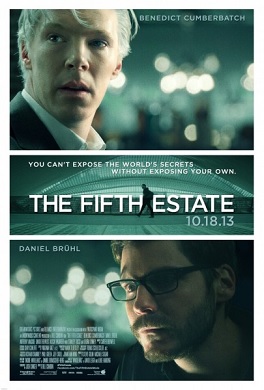
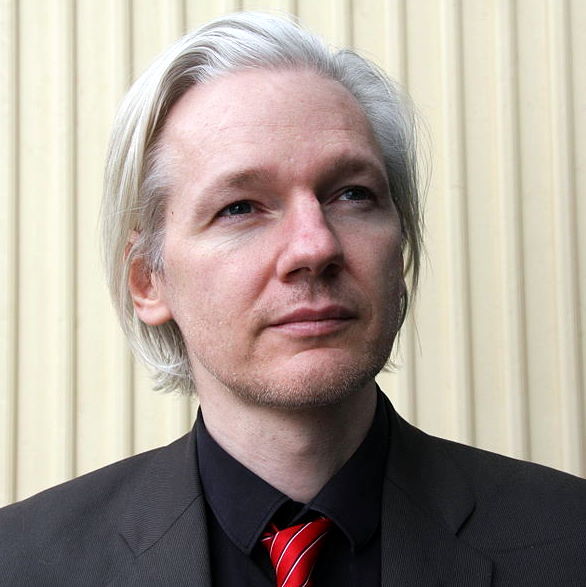
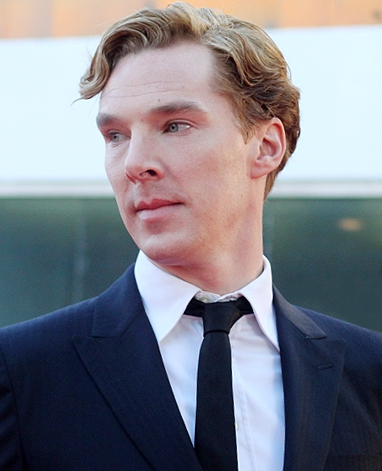
Production and principal cast
Production positioned the film as a character-driven retelling. The lead role of Julian Assange is played by Benedict Cumberbatch, supported by a cast that includes Laura Linney and Stanley Tucci. The story follows the founding and evolution of WikiLeaks as narrated through the relationship between Assange and his collaborators. For an overview of the film project itself, see the production note film entry.
Structure and themes
The screenplay compresses and rearranges events to emphasize ethical dilemmas: secrecy versus transparency, the responsibilities of journalists versus activists, and the personal costs of operating in the public eye. The film adopts conventional dramatic devices—flashbacks, intimate confrontations and scenes of document handling—to make technical material accessible to viewers unfamiliar with the subject.
Release, reception and controversies
Released in October 2013, the film received largely negative to mixed reviews from critics. Commentators praised individual performances while criticizing the screenplay's treatment of complex facts and the film's tendency to simplify contested events. Some journalists and sources connected to the real story objected to perceived inaccuracies or dramatization choices, prompting public debate about how recent history should be adapted for cinema.
Notable facts and legacy
Despite its high-profile cast and topical subject, the film did not become a consensus critical success and remains a contested cultural depiction of a controversial organisation and figure. It is often cited in conversations about cinematic portrayals of modern journalism, digital transparency and the ethical limits of biographical drama. For more context on the people portrayed, see profiles of Julian Assange and related commentary.
- Genre: drama-thriller.
- Main topics: whistleblowing, media ethics, digital secrecy.
- Notable cast: Benedict Cumberbatch, Laura Linney, Stanley Tucci.
Related articles
Author
AlegsaOnline.com The Fifth Estate (2013 film) Leandro Alegsa
URL: https://en.alegsaonline.com/art/97972