
The Forsyte Saga
A multi-volume family saga by John Galsworthy that follows three generations of the Forsyte family, exploring ownership, marriage and social change; noted for major television adaptations.
Overview
The Forsyte Saga is a sequence of novels and interludes by English writer John Galsworthy that traces the fortunes of the upper-middle-class Forsyte family across several decades. Galsworthy uses the private lives and public pretensions of successive generations to illuminate wider shifts in English society from the late Victorian era into the 20th century. The series combines panoramic chronicle with close psychological observation and sustained moral interest in questions of possession and identity.
Image gallery
1 Image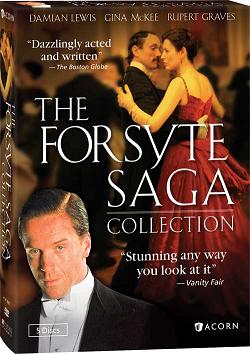
Structure and principal works
The cycle is commonly encountered as a linked series of novels and shorter interludes. The best-known components are often grouped under titles such as The Man of Property, In Chancery and To Let, which focus on different phases of the family's history. The interludes and linking pieces provide transitions and reflective moments that deepen the portrayal of recurring conflicts and character development.
Main characters and themes
At the story's moral centre stands Soames Forsyte, frequently described as a "man of property": acquisitive, conventional and confident in the security of possessions and social position. Opposing temperaments include Irene, whose choices and inner life provoke controversy within the family, and Jolyon Forsyte, whose sympathies and actions offer an alternative moral stance. Recurring themes include ownership and entitlement, the strains of marriage, changing gender roles, the tension between material comfort and emotional fulfilment, and the gradual erosion of Victorian certainties.
Publication, style and reception
Galsworthy wrote the novels in the early decades of the 20th century, developing a sustained portrait of domestic life, law, and social aspiration. His restrained realist style, attention to legal and household detail, and moral ambivalence won popular and critical attention. The cycle helped secure Galsworthy's reputation, and he later received the Nobel Prize in Literature in recognition of his contribution to English fiction.
Adaptations and cultural impact
The Forsyte Saga has been adapted many times for stage, radio and television. A mid-20th-century television serial brought the story to a wide audience and a later multi-part early-2000s television adaptation—featuring Damian Lewis as Soames and Gina McKee as Irene—aired in the United States on public television and reached international viewers. These dramatizations renewed public interest in Galsworthy's novels and introduced the family saga to new generations.
Legacy
The Forsyte Saga is often cited as a seminal example of the English family saga and a valuable social document of its era. While praised for its social observation and character portraits, critics have also noted that some attitudes in the books reflect the limitations and assumptions of their time. The novels continue to be read and adapted, and they remain important for discussions of class, property, and domestic drama.
- Central characters: Soames Forsyte, Irene Forsyte, Jolyon Forsyte and other relatives across three generations.
- Notable aspects: Exploration of property and possession, the moral ambiguity of social status, and the interplay between public reputation and private feeling.
Related articles
Author
AlegsaOnline.com The Forsyte Saga Leandro Alegsa
URL: https://en.alegsaonline.com/art/98003