
La Concha Beach, San Sebastián — shell-shaped urban beach
La Concha is San Sebastián’s iconic urban beach, famed for its shell-shaped bay, sandy shore, elegant promenade, views of Santa Clara island and surrounding hills, and long history as a seaside resort.
Overview
La Concha is the principal city beach of San Sebastián, recognised for the curved shoreline that gives the bay a shell-like profile. The beach is known locally in Basque as Kontxa Hondartza and in Spanish as Playa de La Concha. Positioned within a compact urban setting, the beach combines immediate access from the historic centre with broad views of the sea, the small island in the bay and the surrounding hills.
Image gallery
4 Images


Characteristics
La Concha is a sandy shore with a gentle slope into generally sheltered waters, which contributes to its popularity with families and casual swimmers. Tidal variation affects the usable sand area: at low tide a wider expanse of beach is exposed, while high tide brings the water nearer to the promenade. The seabed under the sand is not deep in places, so bathers and swimmers are advised to be aware of changing conditions. The bay’s protected form usually keeps waves modest, although weather and wind can alter surf and currents.
Setting and notable features
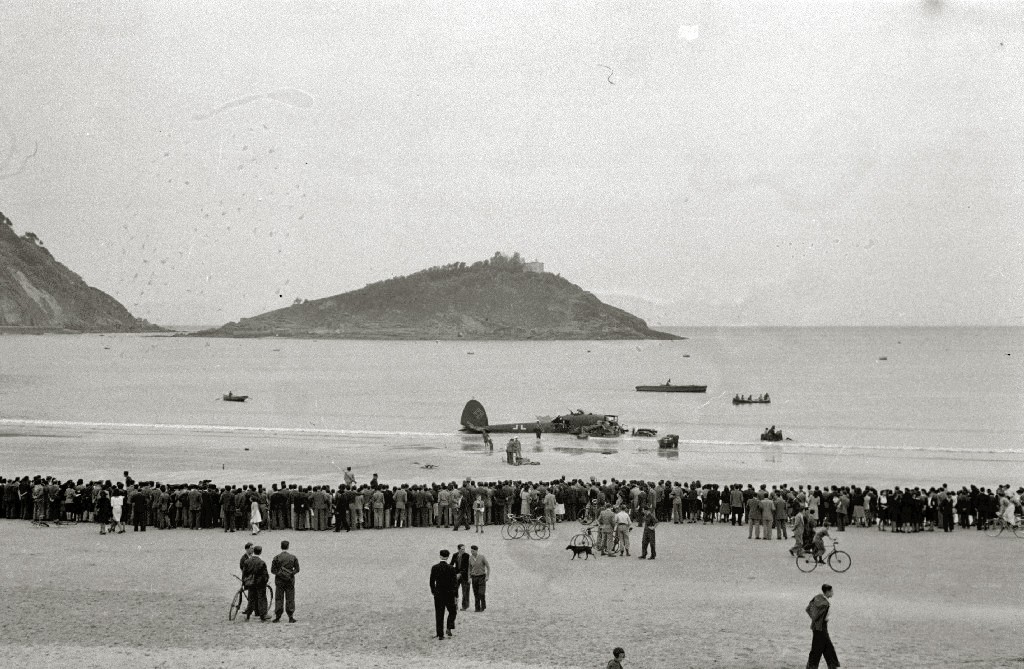
The bay is framed by two headlands and the city’s coastal hills, with Monte Urgull to the east and Monte Igueldo to the west. Near the centre of the bay lies the small island of Santa Clara, visible from many points on the shore and accessible by boat services or by experienced swimmers when conditions permit. A continuous promenade with a classic balustrade follows the curve of the beach; it is lined with benches, lamp posts and cafés, and is a focal point for strolling and seaside leisure.
History and development
La Concha has been central to San Sebastián’s identity as a seaside resort since the 19th century, when coastal bathing and promenading became fashionable. Over the following decades the promenade and public amenities were extended and improved to support bathing, social life and events while retaining the bay’s visual character. Municipal management balances visitor use with maintenance and occasional restoration of built features along the waterfront.
Uses, events and services
Beyond everyday swimming and sunbathing, La Concha is used for organised open-water swims, small sailing events and seasonal cultural activities tied to the city’s calendar. Lifeguard services operate during the bathing season and local authorities monitor water quality and safety. The beach’s proximity to the old town makes it a frequent meeting point for both residents and visitors, and it is often featured in city guides and travel photography.
Practical information
- Access: easy walking from the historic centre and served by nearby public transport; promenades and steps provide multiple points of entry to the sand.
- Tides and conditions: the exposed area varies with tidal movement; swimmers should heed lifeguards and posted warnings.
- Facilities: public toilets, seasonal showers and first-aid services are provided at times of year with high visitor numbers; cafés and kiosks are found along the promenade.
- Conservation and management: as an urban beach, La Concha requires ongoing maintenance to manage erosion, water quality and the balance between tourism and local use.
Cultural significance and comparison
La Concha is widely regarded as one of Europe’s notable urban beaches, frequently cited for the elegance of its promenade and its accessibility from the historic core. It serves as a scenic urban public space as much as a bathing area, and appears in many cultural and tourism descriptions of the city and the Basque Country. For practical, up-to-date visitor information and local rules consult municipal resources or tourist information pages; general discussions of urban beaches and coastal planning can provide context when comparing La Concha with other seaside promenades across Europe (urban beach references and management guidance).
For municipal services, timetables for boats to Santa Clara and seasonal notices, see official visitor portals and local guides (Playa de La Concha and Kontxa Hondartza entries), or city tourism pages for San Sebastián and regional information about the Basque Country.
Related articles
Author
AlegsaOnline.com La Concha Beach, San Sebastián — shell-shaped urban beach Leandro Alegsa
URL: https://en.alegsaonline.com/art/9787
Sources
- finetraveling.com : "La Concha Beach, Donostia-San Sebastian, Spain - FineTraveling.com"
- sansebastianturismo.com : "Let's go to the beach - San Sebastian Tourism"