
The Beano — British children's comic
The Beano is a long-running weekly British children's comic, launched in 1938 by DC Thomson. Known for humour strips, iconic characters and annuals, it has shaped UK children's culture and adapted across decades.
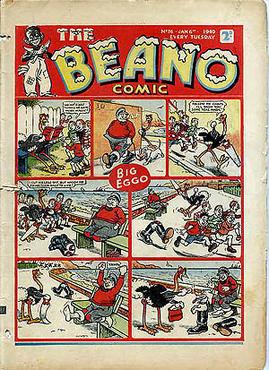
The Beano is a long-established British weekly comic magazine for children, first published on 30 July 1938 by Dundee-based publisher DC Thomson. Designed as a humour-driven collection of comic strips and gag pages, it became noted for energetic, mischievous characters and an approachable, brightly illustrated style that appealed to generations of young readers.
Image gallery
8 Images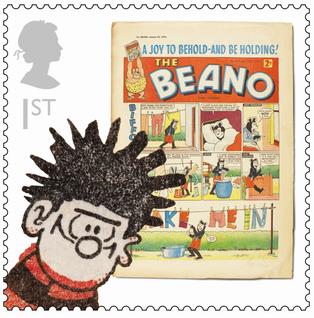



Characteristics and notable strips
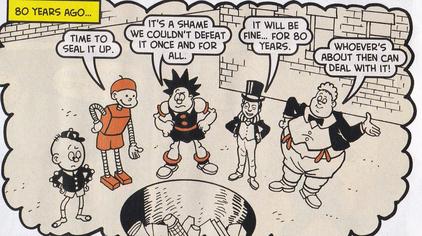
Traditionally printed as a compact, weekly anthology, The Beano presents short, self-contained strips focusing on slapstick comedy, school and family life, and boyish pranks. Some characters have become cultural icons in the UK, including:
- Dennis the Menace — a troublemaking boy (and his dog) famous for causing chaos.
- Minnie the Minx — an energetic girl who delights in mischief.
- The Bash Street Kids — a chaotic school-class ensemble.
- Roger the Dodger — a scheming youngster who avoids chores and schoolwork.
History and development
Since its 1938 debut The Beano has been published regularly and expanded into annuals, summer specials and compilation books. Over decades its visual presentation and stories have modernised to reflect changing tastes and social attitudes while keeping core humour elements. The comic moved from mainly black‑and‑white pages to more colour and contemporary production values, and it has adopted digital editions in recent years.
Influence, adaptations and distinctions
The Beano has had considerable cultural impact in the UK: its characters appear on merchandise, in stage shows and in animated adaptations for television. It is often mentioned alongside sister titles from DC Thomson, and is distinct from similarly named characters in other countries — for example, the UK’s Dennis the Menace is unrelated to the American character of the same name. For more information see the publisher’s resources: official site.
The comic remains a living publication and a reference point for British childhood humour, notable for sustaining an audience across many generations while periodically reinventing its approach to storytelling and illustration.
Related articles
Author
AlegsaOnline.com The Beano — British children's comic Leandro Alegsa
URL: https://en.alegsaonline.com/art/97580