
The Beginning Place (novel)
A standalone novel by Ursula K. Le Guin first published in 1980, often described as a portal fantasy that examines liminality, exile, and the moral challenges of power and belonging.
Overview
The Beginning Place is a standalone novel by Ursula K. Le Guin, first published in 1980. It is commonly characterized as a portal fantasy: ordinary people cross from our world into a separate, mysterious realm where the rules of reality shift and moral choices have unexpected weight. The novel is not part of Le Guin's Earthsea or Hainish cycles but occupies its own thematic territory. For basic publication details and editions, see the book entry.
Image gallery
1 Image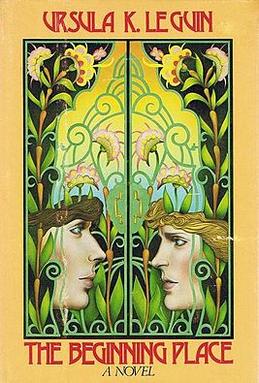
Themes and style
Le Guin uses a spare, lyrical prose to explore liminality — thresholds between places, identities, and states of mind. Central themes include exile, the search for belonging, personal transformation, and the ethical use of power. The tone mixes mythic elements with psychological realism, creating a story that can be read both as an adventure and as an allegory about adult responsibilities and community.
Structure and notable elements
The narrative follows ordinary protagonists who find themselves drawn into the other world and confronted with decisions that have consequences for both realms. Le Guin's craft emphasizes character interiority and moral ambiguity over flashy spectacle. Critics and readers often note the novel's atmospheric settings, symbolic architecture, and its focus on thresholds as both physical and metaphorical.
Publication context and reception
Published in 1980, the novel came at a time when Le Guin was already established as a major voice in speculative fiction. Contemporary reviews remarked on its literary tone and thematic depth; later assessments place it among her lesser-known yet thought-provoking works. For information about the author and her broader career, see Ursula K. Le Guin.
Importance and distinctions
- Standalone work that avoids series conventions and returns to mythic, introspective storytelling.
- Often cited for its exploration of transition and moral choice rather than for traditional epic conflict.
- Valued by readers who appreciate subtle, character-driven fantasy rather than action-oriented plots.
Readers seeking further commentary, editions, and critical essays can consult dedicated bibliographies and collections of Le Guin criticism here. The Beginning Place remains an example of how speculative fiction can address adult themes through the prism of imaginative world-building.
Related articles
Author
AlegsaOnline.com The Beginning Place (novel) Leandro Alegsa
URL: https://en.alegsaonline.com/art/97585