
The Beatles (album) — the 'White Album' (1968)
The Beatles, commonly called the 'White Album', is the band's 1968 double LP noted for its stark cover, wide stylistic range, and influential role in rock history.
Overview
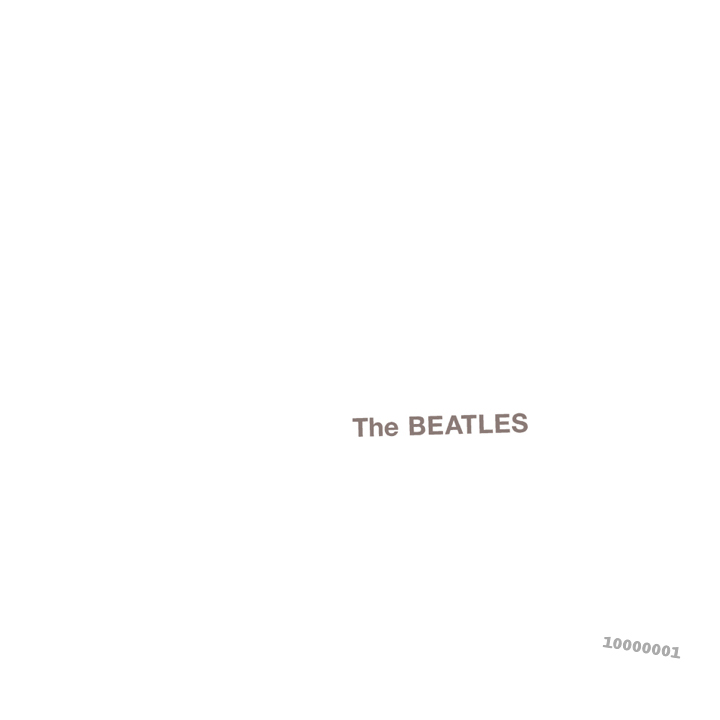
The Beatles is the ninth studio album by the English rock band commonly known as the Beatles, released in November 1968. Issued as a double LP, it marked a departure from the group's earlier, more unified albums by presenting a sprawling collection of individual compositions in a variety of musical styles. The record became popularly known as the "White Album" because of its plain white sleeve and the band's name embossed on the front. For information about the group, see The Beatles (band).
Image gallery
10 Images




Recording and production
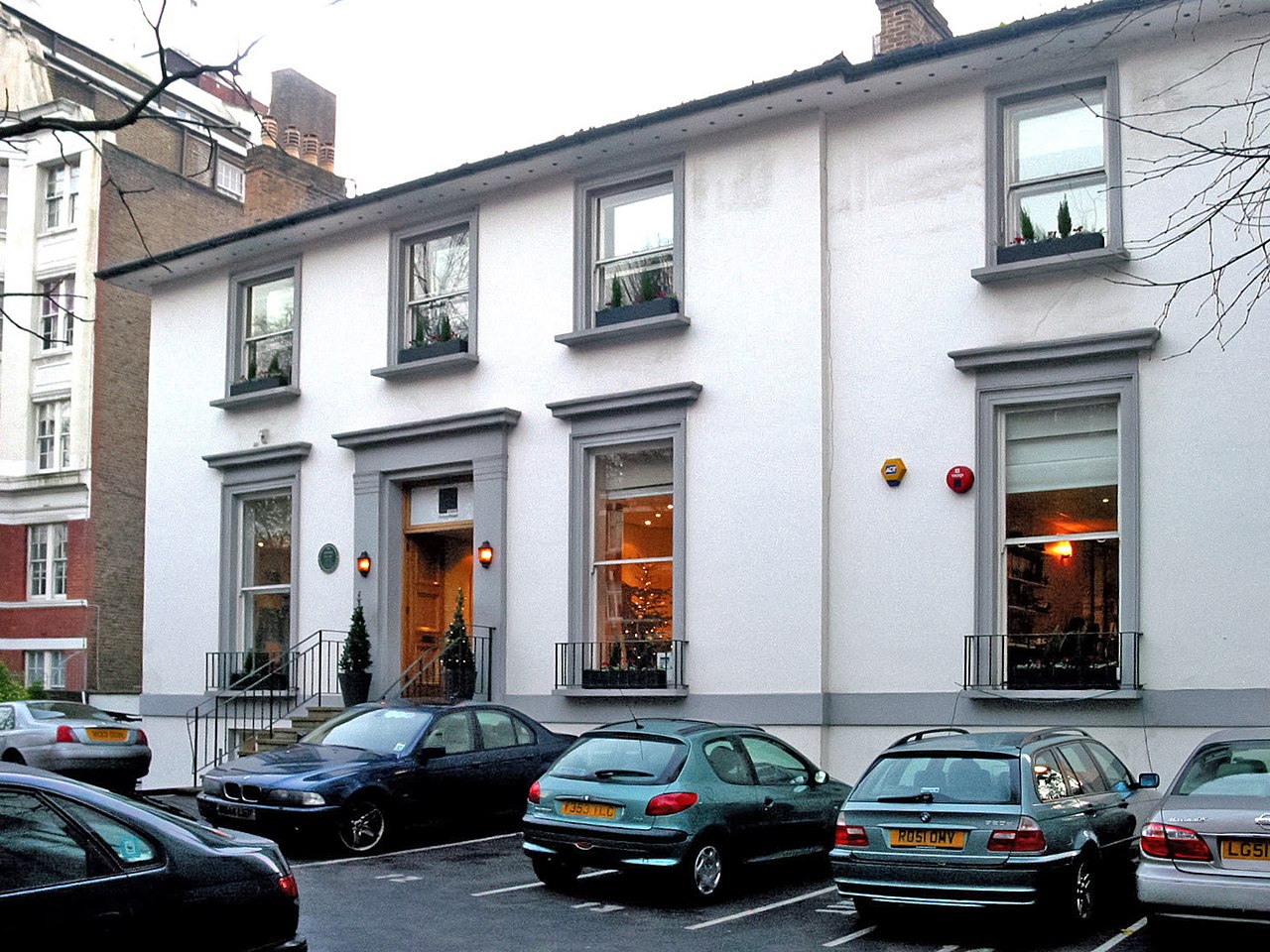
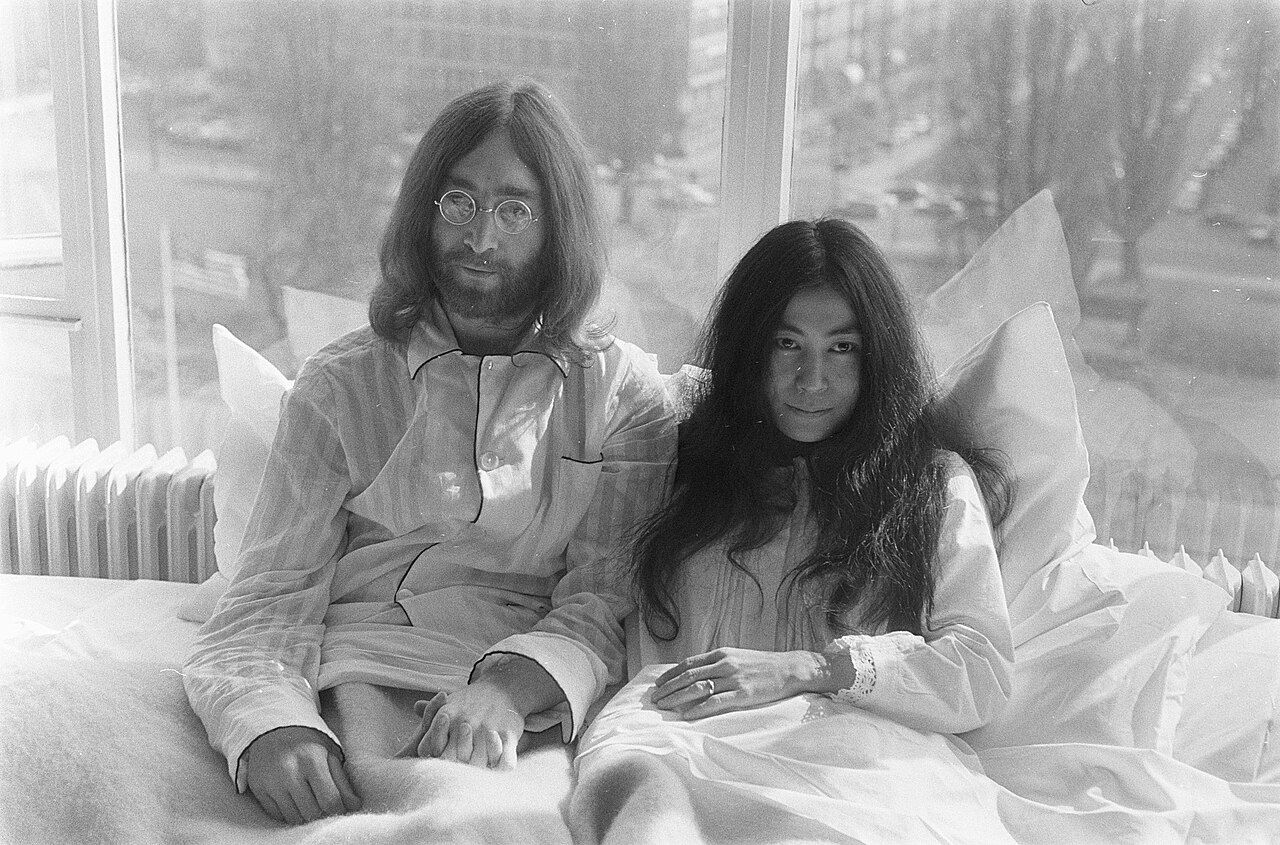
The sessions that produced the album were held primarily at EMI Studios (later Abbey Road Studios) and extended over much of 1968, following the group's retreat to study meditation in India. Production was overseen by George Martin, with engineering and overdubbing often reflecting a relaxed but sometimes fractious atmosphere. The presence of Yoko Ono at many sessions and increasing individual artistic directions among members contributed to the album's episodic character.
Music, style and notable tracks
The album is notable for its stylistic breadth: rock, folk, blues, experimental pieces, country, and avant-garde interludes all appear across the record. It contains songs that have become staples of the Beatles' catalog, including "Back in the U.S.S.R.", "Dear Prudence", "While My Guitar Gently Weeps" (a prominent George Harrison composition), "Blackbird", "Helter Skelter", and "Revolution". Short experimental vignettes and studio collages appear alongside concise pop songs and extended rock numbers, which gives the set a patchwork quality rather than a single conceptual thread.
Cover design and title
The original packaging was deliberately minimal: a plain white jacket with the group's name die-stamped on the front. Early pressings featured a stamped serial number on the cover, which turned the sleeve itself into a limited-edition aesthetic object; this detail is discussed in articles about the album's presentation and early pressings, including references to the numbered jackets: serial-numbered sleeves. The record was released on the group's label and associated companies, including Apple Corps.
Release, reception and legacy
Released as a two-disc set in November 1968, the album showcased a large number of songs and an expanded ambition compared with contemporary single-LP releases; the double-LP format and track count were notable features of its release era and commercial packaging (double LP format). Contemporary reviews were mixed, reflecting the album's length and diversity, but it quickly became influential and commercially successful. Over decades, critics and listeners have reassessed its importance, recognizing its rich songwriting, individual performances, and experimentation as key to understanding the Beatles' late-period evolution. Its contrasts—between solo-minded tracks and collaborative moments—illustrate a band both at creative height and undergoing internal change.
Notable facts and distinctions
- The nickname "White Album" evolved from the sleeve's stark design and was later adopted by the band and company in informal usage.
- The album is often cited for containing some of George Harrison's strongest early work as a songwriter as well as Lennon and McCartney highlights.
- Because of its length and variety, it is frequently used as an example of a transitional record that bridges the Beatles' group identity and the members' subsequent solo careers.
The Beatles remains a major reference point in popular music history: a wide-ranging collection that captures a band experimenting with form, studio technique, and personal expression at a pivotal moment.
Questions and answers
Q: What is The Beatles?
A: The Beatles is a 1968 album by the band of the same name.
Q: What did the cover of the album look like?
A: The cover included no photographs, but was a simple white jacket, with the band's name die-stamped onto the paper.
Q: How did fans and listeners refer to the album?
A: The plain white cover led fans and listeners to call the record the "White Album".
Q: How many songs were included on The Beatles album?
A: While most albums of the time included ten to fourteen songs, The Beatles included thirty-four songs.
Q: When was The Beatles album released?
A: The Beatles album was released in November 1968.
Q: Was The Beatles album sold as a one-disc or two-disc set?
A: The Beatles album was sold as a two-disc set.
Q: What was special about The Beatles album compared to other albums of the time?
A: The Beatles album included thirty-four songs, which was more than what most albums of the time included.
Related articles
Author
AlegsaOnline.com The Beatles (album) — the 'White Album' (1968) Leandro Alegsa
URL: https://en.alegsaonline.com/art/97582