
Bengali Language Movement
Movement in then-East Pakistan (now Bangladesh) demanding recognition of Bengali; peaked with demonstrations in 1952 and shaped Bengali national identity and commemorations such as International Mother Language Day.
Overview
The Bengali Language Movement was a political and cultural campaign in the eastern wing of Pakistan (now Bangladesh) that sought official recognition for the Bengali language. It grew out of objections to central government decisions in the late 1940s and early 1950s that prioritized Urdu as the sole national language of Pakistan. The movement combined peaceful demonstrations, student activism, and political lobbying and became a defining moment in the region's modern history.
Image gallery
10 Images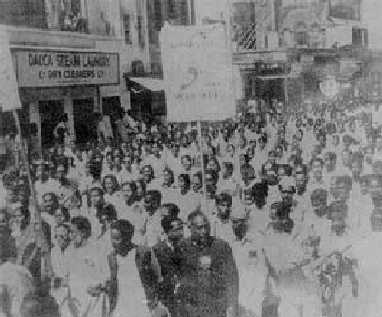




Background and causes
After British India was partitioned in 1947, Pakistan was formed with two geographically separated wings. The majority population in the eastern wing spoke Bengali. Many residents objected when national language policy gave exclusive status to Urdu, a language not widely spoken in the east. Local political groups, intellectuals and students argued that language recognition was essential for preserving culture, administering justice, and ensuring equal rights.
Key events
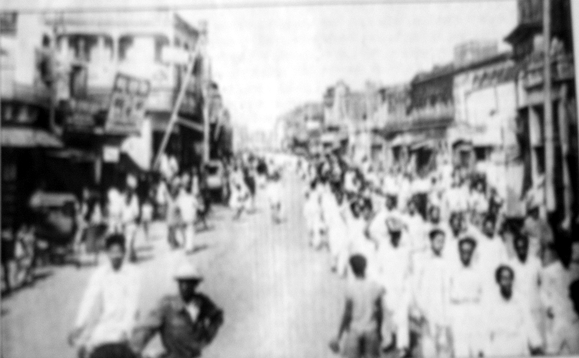
Tensions culminated in mass demonstrations and organized protests. On several occasions people gathered to demand recognition of Bengali, and these gatherings are often described as protests or rallies. The protests were concentrated in urban centers of what was then East Pakistan, now the state of Bangladesh. Opponents of the policy objected to Urdu as the only national language; Urdu itself was widely promoted by the central authorities and is referred to here as Urdu in historical accounts.
The most significant and widely remembered day of confrontation was 21 February 1952, when police and security forces opened fire on demonstrators, including many students, during protests. Several people were killed; their deaths became a potent symbol of sacrifice. Contemporary reports refer to the security forces and police involved as police, and the fallen protesters are commemorated as martyrs in later narratives.
Aftermath and recognition
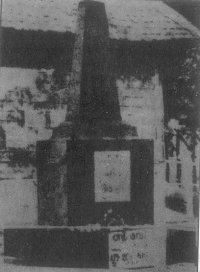
Persistent campaigning by political parties, student groups and cultural organizations contributed to a gradual change in official policy. Bengali was eventually granted recognition as a state language of Pakistan in 1956, an outcome often noted as occurring on 29 February 1956. The movement's martyrs were memorialized with monuments such as the Shaheed Minar, erected to honor those who died during the demonstrations.
Legacy and significance
The Language Movement had long-term cultural and political consequences. It strengthened Bengali linguistic and cultural identity and is widely seen as a precursor to later political developments that culminated in the independence of Bangladesh in 1971. The memory of the protests and the martyrs remains central to national identity in Bangladesh and to linguistic rights movements worldwide.
Commemoration and global influence
21 February is observed annually in Bangladesh as Language Movement Day (also called Martyrs' Day), and the events of 1952 have been invoked in debates about language rights, minority protections, and cultural autonomy. In recognition of the movement's wider importance, UNESCO declared 21 February to be International Mother Language Day, encouraging the preservation and promotion of linguistic diversity around the world.
Notable aspects
- Symbolic monument: The Shaheed Minar is a central memorial honoring those who died in the 1952 protests.
- Cultural impact: The movement reaffirmed the role of language in education, administration and cultural life.
- Political legacy: The campaign helped forge a modern Bengali national consciousness that influenced later political movements.
The Bengali Language Movement remains an important case study in how language policy can affect social cohesion, civil rights and political change. It illustrates the power of grassroots activism and student-led organizing in shaping state policy and national identity.
Related articles
Author
AlegsaOnline.com Bengali Language Movement Leandro Alegsa
URL: https://en.alegsaonline.com/art/10502