
Tharandt
Tharandt is a small town in Saxony, Germany, near Dresden, known for the Tharandter Wald, a historic forestry school, a forest botanical garden and woodland recreation and research.
Tharandt is a small town in the district of Sächsische Schweiz-Osterzgebirge in the state of Germany. It lies about 10 kilometres southwest of Dresden, occupying a wooded valley at the northern edge of the Ore Mountains (Erzgebirge). The town's identity is closely tied to its forested surroundings and a long tradition of practical and scientific forestry.
Image gallery
4 Images

Landscape and character
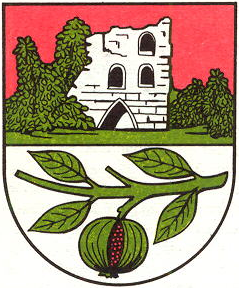
The Tharandter Wald (Tharandt Forest) surrounds the town with mixed woodland, streams, steep slopes and a network of trails. The compact historic centre and a small water castle (Wasserschloss) provide focal points amid residential neighbourhoods and experimental forest tracts. The landscape supports walking, mountain biking, nature study and seasonal local festivals.
History and institutions
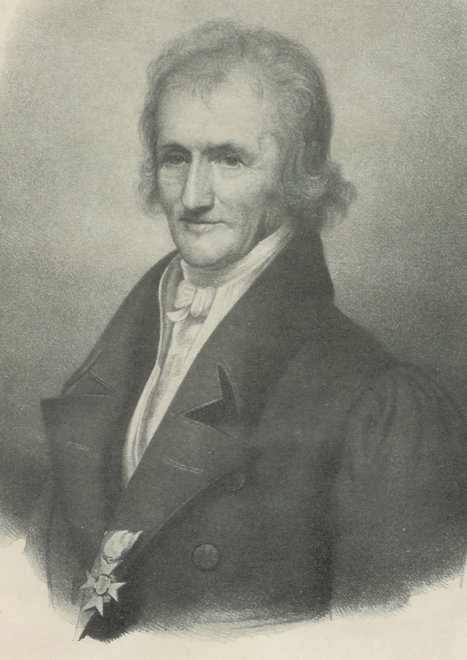
Tharandt became notable for a forestry school established in the early 19th century; over time this institution developed teaching gardens and research facilities and later formed part of broader university-level forestry education. The town retains institutions that focus on silviculture, woodland management and applied research, and these have shaped both the local economy and its cultural life.
Forest botanical garden and research
The forest botanical garden preserves cultivated collections of trees and shrubs used for instruction, conservation and public education. Demonstration plots and experimental stands in the surrounding hills illustrate planting techniques, species trials and long-term observations of forest ecology and management.
Recreation, tourism and access
Tharandt serves as a destination for day visits from Dresden and as a field base for students and researchers. Trails and viewpoints in the Tharandter Wald attract families and outdoor enthusiasts, while the town offers modest visitor services and occasional cultural events. Regional road and rail links make access straightforward for commuters and visitors; for up-to-date travel and visitor information consult local and regional resources.
Notable features
- Tharandter Wald — extensive walking routes and forested scenery.
- Forest botanical garden — living collections for education and research.
- Historic buildings including a water castle and traditional town centre.
Related articles
Author
AlegsaOnline.com Tharandt Leandro Alegsa
URL: https://en.alegsaonline.com/art/97422