
Thanat Khoman: Thai diplomat, foreign minister and ASEAN founder
Thanat Khoman (1914–2016) was a Thai diplomat and politician, long-serving foreign minister (1959–1971), a founder of ASEAN, later Democrat Party leader and deputy prime minister, and a noted centenarian statesman.
Overview
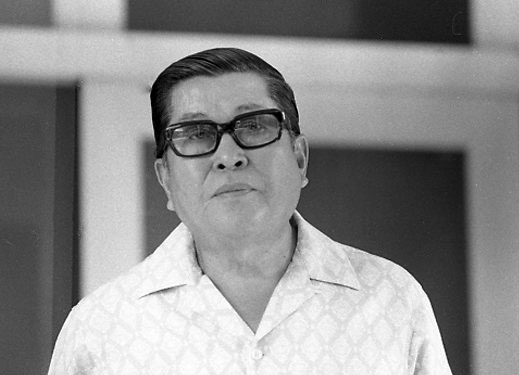
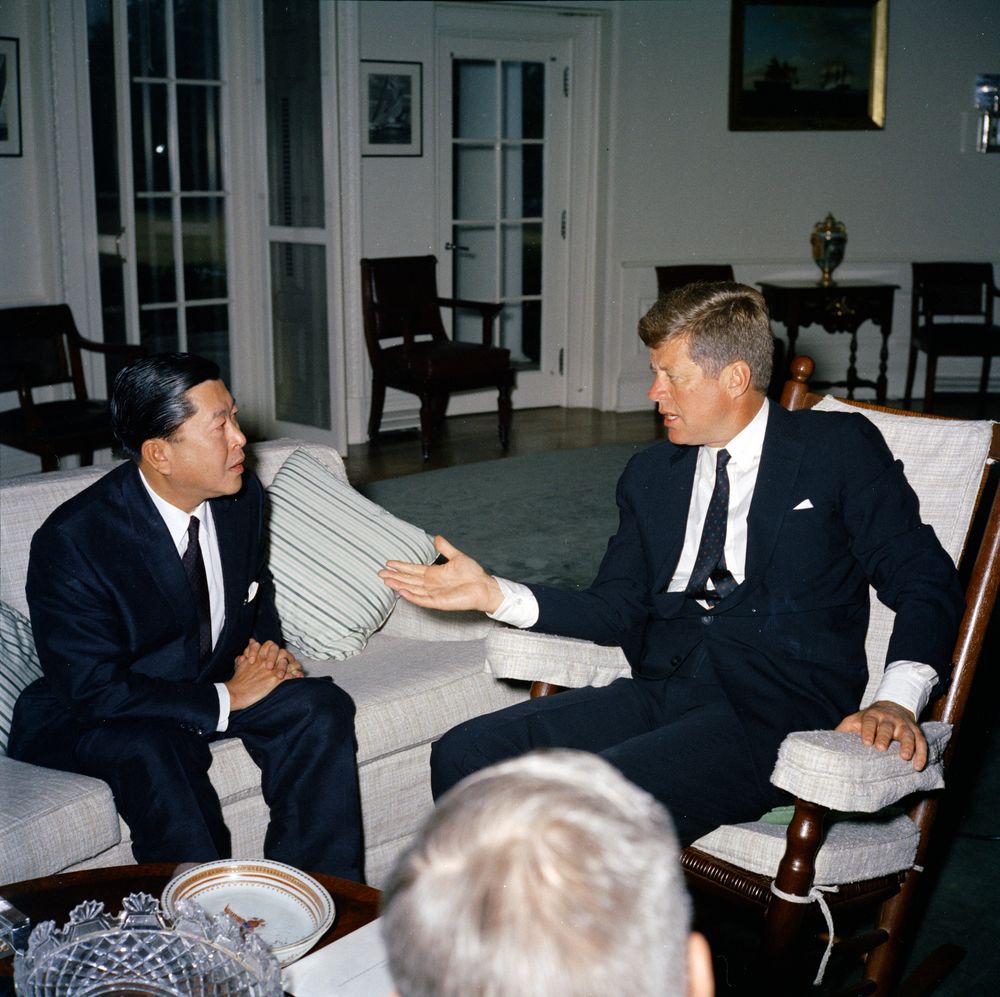
Thanat Khoman (May 9, 1914 – March 3, 2016) was a prominent Thai diplomat and politician who shaped Southeast Asian diplomacy during the Cold War era. As Thailand’s foreign minister from 1959 to 1971 he played a central role in regional initiatives and is widely remembered as one of the architects of the Association of Southeast Asian Nations (ASEAN).
Image gallery
5 Images


Career and official roles
Thanat’s career combined long service in the foreign ministry with high-level political office. He served as Thailand’s Minister of Foreign Affairs for more than a decade and later returned to domestic party politics, becoming chairman of the Democrat Party from 1979 to 1982 and serving as Deputy Prime Minister between 1980 and 1982. His public life spanned diplomatic postings, multilateral negotiation and party leadership.
Role in regional diplomacy and ASEAN
Thanat Khoman is best known internationally for his contribution to the founding of ASEAN in 1967. In the context of Cold War tensions and regional disputes, he joined other foreign ministers from the Philippines, Indonesia, Malaysia and Singapore to craft a cooperative framework aimed at promoting stability, economic cooperation and non-interference among Southeast Asian states. His approach emphasized pragmatic diplomacy, consensus-building and the use of regional institutions to manage differences.
Notable positions and achievements
- Foreign Minister of Thailand (1959–1971): guided Thailand’s external relations through a volatile period.
- Founding participant of ASEAN (1967): helped establish the organization that remains central to regional affairs.
- Democrat Party chairman (1979–1982) and Deputy Prime Minister (1980–1982): returned to national politics in senior leadership roles.
Later life and legacy
After leaving frontline politics Thanat remained a respected elder statesman. He lived to the age of 101, and his death in 2016 prompted reflection on his role in building regional institutions and guiding Thailand’s foreign policy during a difficult era. Scholars and commentators often cite his pragmatism and commitment to regional dialogue as part of his legacy.
Further reading and language notes
For Thai-language references and official name forms see the native rendering: ถนัด คอมันตร์. Romanizations and transliteration systems provide alternative renderings such as the RTGS form Thanat Khoman. Biographical summaries and archival material can be consulted via general resources and collections of diplomatic history related to Southeast Asian diplomacy.
Related articles
Author
AlegsaOnline.com Thanat Khoman: Thai diplomat, foreign minister and ASEAN founder Leandro Alegsa
URL: https://en.alegsaonline.com/art/97393
Sources
- bangkokpost.com : Recalling Thanat as a diplomatic doyen
- nytimes.com : "Thanat Khoman, Thai Statesman and Co-Founder of Asian Alliance, Dies at 101"