
Technical University of Berlin (Technische Universität Berlin)
A major German technical university founded in 1879 in Berlin, known for engineering and science research, international student body, and historic ties to prominent researchers.
Overview
The Technical University of Berlin (Technische Universität Berlin), commonly shortened to TU Berlin, is a large public research university located in Berlin, Germany. Established in 1879 as a technical institute, it has grown into one of the country’s leading centers for engineering, natural sciences and technology-related disciplines. The university is recognized for its strong research orientation, broad international connections and a diverse student population.
Image gallery
10 Images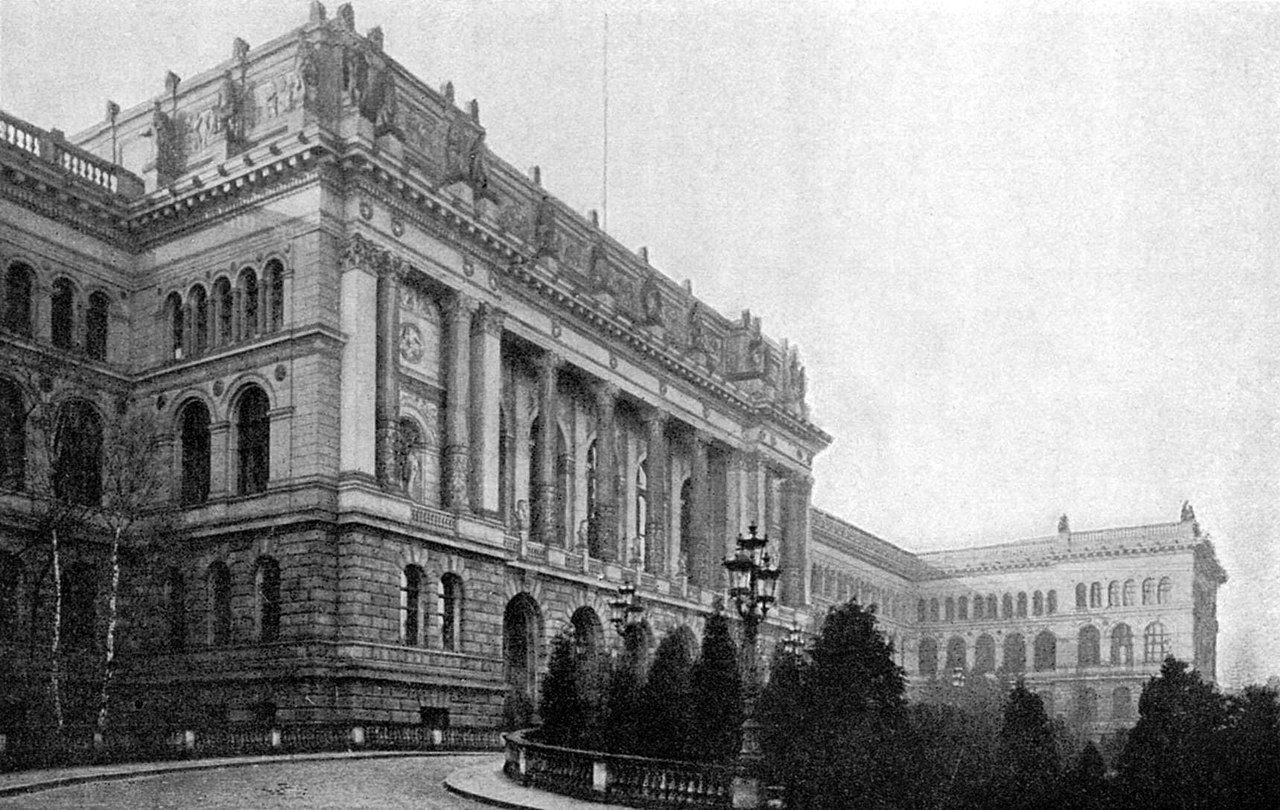




Academic structure and strengths
TU Berlin organizes teaching and research across several broad divisions rather than only traditional faculties. Its academic profile emphasizes applied sciences and technology alongside complementary fields:
- Engineering and applied technology (mechanical, electrical, civil and related fields)
- Computer science and information technology
- Mathematics and natural sciences
- Architecture, urban planning and the built environment
- Economics, management and interdisciplinary studies
Research strengths include materials science, energy and mobility systems, information and communication technologies, and urban sustainability. The university emphasizes partnerships with industry, research institutes and international universities to translate research into practical applications.
History and development
Founded in the late 19th century as a technical academy, TU Berlin evolved through the 20th century into a comprehensive technical university. Its long history is reflected in historic buildings on a central campus as well as modern laboratories and interdisciplinary research centers. Over time the institution has expanded program offerings and international collaborations to respond to changing technological and societal needs.
Campus, student life and internationalization
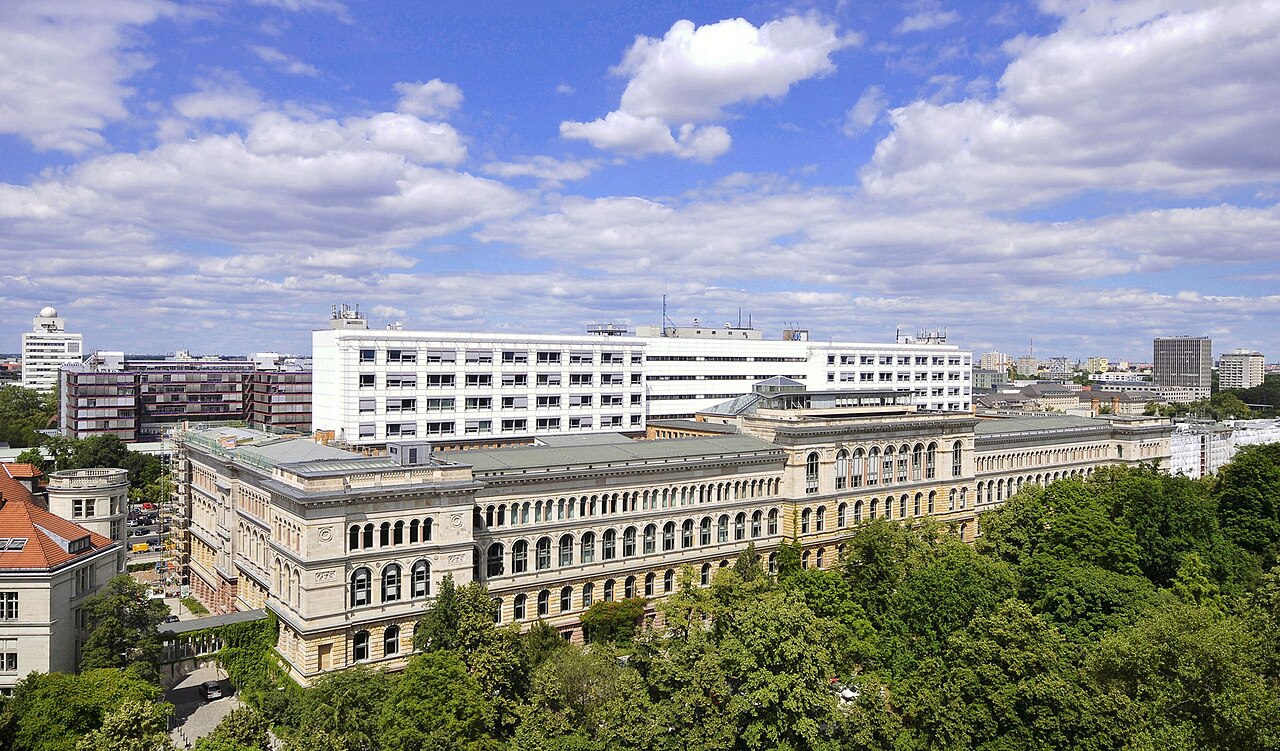
The university’s main campus is situated in the Charlottenburg district and includes teaching halls, libraries and research facilities. TU Berlin attracts a substantial number of international students and is noted for having one of the highest proportions of overseas students among German universities. Student life includes study associations, project groups, startup initiatives and cultural events. Numerous degree programs, particularly at master’s level, offer instruction in English to serve an international audience.
Notable facts and distinctions
TU Berlin has counted prominent scientists and engineers among its faculty and alumni. Affiliations have included several winners of the Nobel Prize, reflecting the institution’s historical role in scientific advancement. The university is also a member of national and international networks of technical universities, cooperating on research consortia and educational exchange.
Practical information and relevance
For prospective students and researchers, TU Berlin offers a range of bachelor’s, master’s and doctoral programs, many with applied and interdisciplinary emphases. Its connections to industry and research organizations make it a focal point for technological innovation in Germany and beyond. Those seeking more detailed information about programs, admissions and research centers can consult the university’s official resources or contact its international office.
Related articles
Author
AlegsaOnline.com Technical University of Berlin (Technische Universität Berlin) Leandro Alegsa
URL: https://en.alegsaonline.com/art/96678
Sources
- cesaer.org : Technische Universität Berlin
- commons.wikimedia.org : Technische Universität Berlin